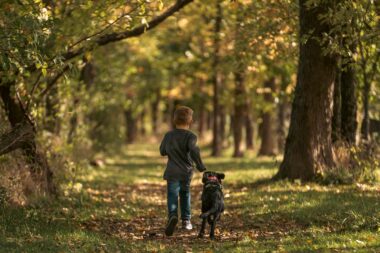

Seasonal Hiking Tips for You and Your Dog
Hiking with your dog can be a rewarding experience, allowing you to spend quality time outdoors while enjoying nature. However, knowing the seasonal guidelines is crucial to ensure a safe and enjoyable trip. Start by considering the weather conditions before planning your hike. Each season brings unique challenges and opportunities for outdoor activities. Always check the forecast and prepare accordingly; bringing the right gear for yourself and your dog is important. Make sure your dog is well-hydrated, and pack sufficient water for both of you. Additionally, consider their physical fitness and stamina. Dogs should be accustomed to the terrain and distance of your chosen trail to avoid injury. A good idea is to gradually increase your dog’s hiking distance to build endurance. Always take breaks for your pet to rest, stretch, and explore. Dress your dog appropriately, using a well-fitted harness and booties to protect their paws from harsh trail conditions. Take snacks along to keep both you and your pet energized throughout the day. With these tips, both you and your furry friend can enjoy the great outdoors together without compromising safety or fun.
As you prepare for your hiking adventure, the right trail selection can significantly enhance your experience. Different trails offer distinct features, so it’s essential to find one that suits both you and your dog’s abilities. Look for pet-friendly trails that are well-marked and maintained. Online resources, such as AllTrails, can provide you with valuable information on trail ratings, difficulty levels, and pet policies. Beginners may prefer easy trails with minimal elevation changes, while more experienced hikers can take on moderate or strenuous paths. However, always assess your dog’s comfort level with each trail. Consider the length of the hike and any potential hazards, such as steep drops or dangerous wildlife. If hiking during warmer months, opt for trails with plenty of shade to keep your dog cool. Always stay vigilant for signs of exhaustion in your pup, such as heavy panting or reluctance to continue. Bringing a map, or using a GPS app can help ensure you stay on course without losing track of your location in unfamiliar territory, making your hiking trip smoother and more enjoyable.
What to Pack for Your Hike
The packing process is a vital part of preparing for a hiking trip with your dog. Creating a checklist can ensure that you bring everything necessary for a successful outing. Essential items include water for hydration and collapsible bowls that make it easy for your dog to drink during breaks. First-aid supplies, such as bandages and antiseptic wipes for both you and your pet, are crucial. It’s also wise to carry a leash and a harness that suits your dog’s size. Depending on your destination, include a well-structured backpack with compartments such as a pet towel for cooling down after water play. Don’t forget to pack dog treats to reward your furry friend during the hike! Sunscreen for your dog, especially if they have short or thin fur, is important for protection against sunburn. Depending on the season, consider layering warmer clothing items for yourself and a dog jacket if the temperatures are dropping. Knowing the right gear to pack can significantly improve both the comfort and the experience for you and your dog during your outdoor adventure.
To keep your hiking journey pleasant, always be mindful of trail etiquette. Understanding how to behave respectfully towards other hikers and wildlife is essential. Always leash your dog unless you are in a specifically designated off-leash area, which can help prevent unexpected encounters with other dogs or wildlife. Be prepared to yield the trail to others, particularly hikers, cyclists, or horseback riders. Ensure to clean up after your dog, using biodegradable bags, depositing waste at appropriate disposal sites. Do not allow your dog to approach wildlife; maintaining a distance can help preserve both your pet’s safety and the natural environment. Additionally, avoid allowing your dog to disturb other hikers by keeping them close and under control. Be alert to potential hazards such as steep cliffs and avoid areas where there may be dangerous wildlife, keeping your dog close to avoid triggering instincts. Staying respectful and mindful while on the trail contributes to a more positive experience for everyone sharing that space, including you, your pet, and fellow outdoor enthusiasts.
Hydration and Nutrition Necessities
Maintaining hydration and providing proper nutrition during hikes is essential for your dog’s well-being. Both humans and dogs need ample fluids, but dogs have higher susceptibility to overheating. Ensure that your pet has access to fresh, clean water at all times. A collapsible water bowl can be a convenient way to hydrate your dog during breaks on the trail. Monitor your pet for signs of dehydration—keep an eye out for dry gums or excessive panting. Additionally, pack enough water to prevent running out during your adventure. During cooler months, the risk of dehydration can still exist due to exertion. Regularly offer water to your dog and encourage them to drink even if they don’t appear thirsty. Include energy-boosting treats made for dogs to help maintain their stamina. Look for quality dog snacks that provide nutritional benefits, such as protein and healthy fats. Careful attention to your dog’s hydration and nutritional needs will help them remain energetic and enthusiastic throughout your hiking adventure.
Weather changes can greatly influence your hiking experience, so understanding how they affect your plans is vital. Different seasons present various challenges, like rain, snow, or extreme heat, which can alter trail conditions. Before embarking on a hike, check local forecasts, and allow for flexibility in your plans. Rain can cause trails to become muddy and slippery, increasing the risk of accidents. If you choose to hike in rainy season, have waterproof gear for both yourself and your dog. During summer, consider hiking early morning or late afternoon to avoid the daytime heat. In winter, protect your dog’s paw pads from ice and snow with booties. Be observant of your dog’s behavior; if they seem discontent with cold or wet conditions, allow them to rest or turn back. Stay prepared for possible weather changes by carrying an extra layer of clothing or rain gear for yourself. Adapting your approach according to seasonal variations can make a significant difference, guaranteeing a safer and more enjoyable experience for both you and your companion.
Post-Hike Care
After a successful hike, proper post-hike care for your dog is just as important as the preparations beforehand. Allow your dog to rest and recover from the physical exertion they’ve just experienced. Take a moment to check their paws for any signs of wear or debris, ensuring there are no small injuries or anything lodged between their pads. Giving your dog a good bath can cleanse them from dirt and grime they picked up during the adventure. Additionally, observe their behavior and overall condition to determine if they seem tired, sore, or content. If your dog’s energy level seems unusually low a few hours after returning, consider monitoring them for any discomfort. Offering another serving of water and nutritious food can help replenish any lost energy. Regular post-hike assessments and care are crucial in maintaining their health. Remember that consistent care after outings helps build a stronger bond with your dog and assures they are prepared for future hiking excursions together. Enjoying the outdoors responsibly involves understanding every aspect of your dog’s well-being, both on the trail and afterward.
Planning ahead and taking necessary precautions can significantly improve your hiking adventures with your furry friend. Ensuring a great experience involves a combination of preparation, awareness, and understanding your dog’s needs. Allowing time to acclimate your pet to different environments helps them feel secure while exploring new places. Well-considered timing enhances your hike; visiting trails when they are less crowded can offer a relaxing atmosphere for both you and your dog. Allowing time for breaks during your hike contributes to maintaining energy levels and creating enjoyable moments. Each season provides a unique opportunity to experience nature, enhancing the joy of hiking with your pet. Exploring the changing landscapes and adapting to different weather conditions can create memorable adventures for both you and your dog. As you develop a routine and improve your skills as a hiking duo, each trip will become easier and ever more enjoyable. Ultimately, hiking with your dog is a fantastic way to connect, promote physical activity, and appreciate nature together while embracing the joys of seasonal adventures outdoors.