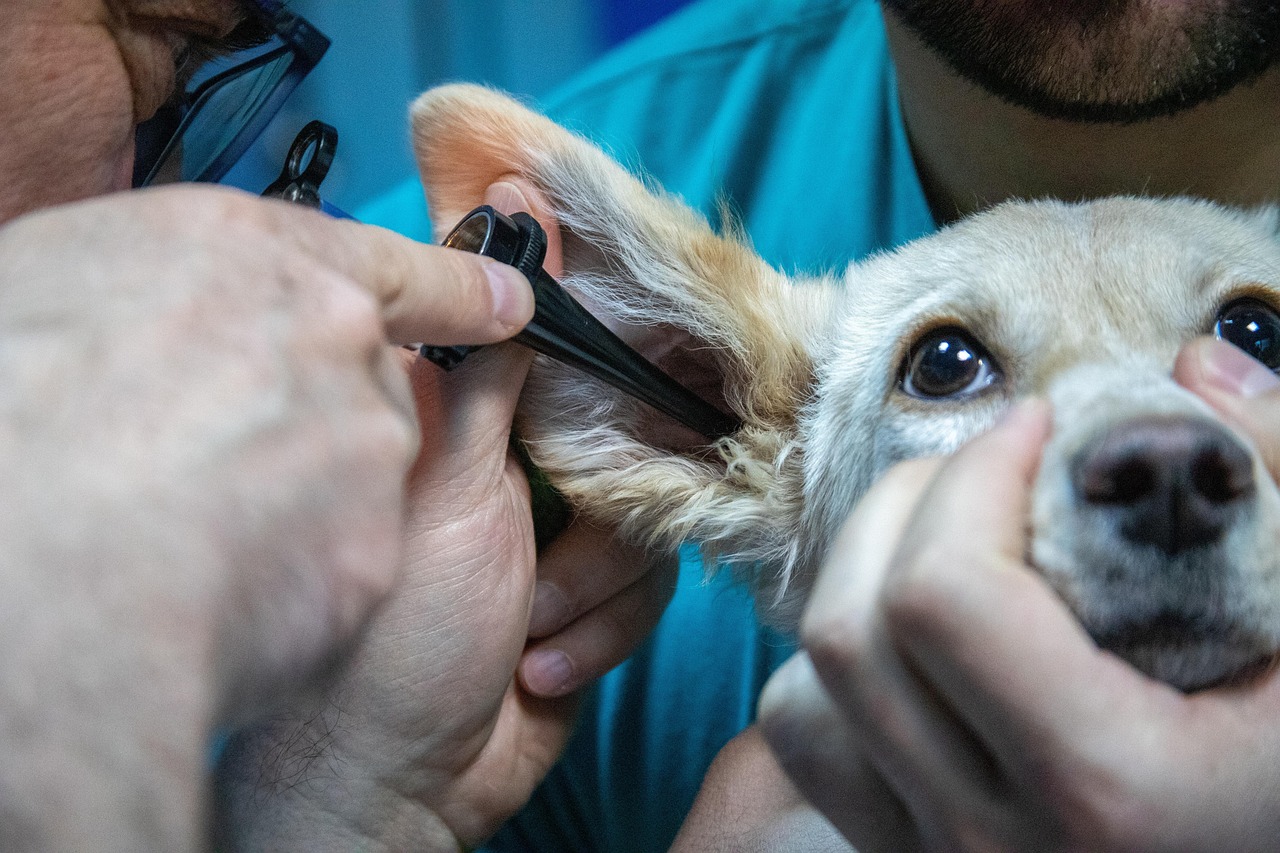

Spotting and Treating Ear Mites in Dogs
Ear mites are tiny parasites that often infest dogs and can cause severe discomfort. Recognizing the signs of ear mite infestation is crucial for proper treatment. Symptoms may include excessive scratching, shaking of the head, or a foul smell emanating from the ears. Your dog may also develop redness or inflammation around the ear area. When looking for ear mites, be attentive to any dark waxy substance in the ear canal, which might resemble coffee grounds. This debris is a key indicator of ear mite presence. If you observe these symptoms, it’s important to consult a veterinarian for confirmation and treatment. Regular veterinary check-ups can help in early detection and prevention. Additionally, keep your dog’s environment clean to reduce the risk of reinfestation. Avoid letting your pet socialize with other animals showing signs of infestation. Ear mites are highly contagious, and they can easily spread in a multi-pet household. Early intervention can ensure your dog remains comfortable and healthy. Promptly seek veterinary advice to determine the best course of action, which often involves medication or topical treatments tailored to your dog’s specific needs.
Treating ear mites in dogs typically involves a multi-faceted approach. Initially, your veterinarian will prescribe an appropriate ear medication that targets ear mites specifically. Consistent application of the medication is vital for effectiveness, and you must follow your vet’s instructions carefully. It’s also essential to clean your dog’s ears regularly during treatment. This will help remove debris and allow the medicine to work more efficiently. Utilize a gentle ear cleaner specifically designed for dogs to avoid irritation. After cleaning, administer the prescribed medication, ensuring it reaches deep into the ear canal. In some cases, additional medications might be necessary, particularly if a secondary infection has developed. Always monitor your dog for any changes or reactions to the treatments, and report these to your veterinarian. It’s also wise to treat other pets in the household concurrently since ear mites can easily spread to them. Keep in mind that prevention is just as important as treatment. Regular grooming and hygiene practices, along with occasional vet visits, can diminish the chances of future infestations. Remember that patience is key, as treatment may take several weeks for complete resolution.
Understanding Ear Mite Life Cycle
Understanding the life cycle of ear mites can greatly aid in controlling infestations. Ear mites lay eggs within your dog’s ear canal, and these eggs hatch into larvae within a few days. The larvae then mature into adult mites within a couple of weeks. This relatively rapid life cycle means that, without effective treatment, the infestation can quickly escalate. Adult ear mites may live for about three weeks, during which they feed on the wax and oils in your dog’s ears. This feeding can cause significant irritation leading to inflammation. Through this life cycle, a female mite can lay dozens of eggs, leading to exponential growth in population. Therefore, treating ear mites requires proactive measures, particularly following an initial diagnosis. Ensure you not only focus on treating the infected dog but also on cleaning and caring for the ears of all pets in your home. Regular cleaning of bedding, grooming tools, and any areas the infected dog frequents will help prevent reinfestation. Understanding this life cycle clarifies why prompt treatment is essential. Preventive measures should also be taken to keep your dog’s environment optimal for their health.
Aside from medication, various homecare strategies can support your dog’s recovery from ear mites. Gentle cleaning of the ears with appropriate solutions can significantly alleviate discomfort. Always consult your veterinarian before introducing any new cleaning products to ensure they are safe. You can utilize cotton balls to gently apply the cleaning solution and remove any excess wax from the ears. Be careful not to insert anything deep into the ear canal to avoid injury. Additionally, maintaining a healthy diet can bolster your dog’s immune system, enhancing their ability to fight off parasites. A diet rich in nutrients will help keep their skin and coat healthy. Products rich in omega fatty acids can also be beneficial. These not only support skin health but can assist in reducing inflammation during recovery. You might also consider using a preventive ear cleaner regularly to help keep your dog’s ears clear of waxy buildup. Consistent monitoring for signs of ear problems post-treatment is crucial. If any symptoms reappear, consult your veterinarian promptly for further evaluation. Offering a comfortable environment free from stress can help your dog recover more quickly.
When to Seek Veterinary Help
Knowing when to seek veterinary assistance for ear mites is essential. If you notice persistent scratching or shaking of the head despite home treatment efforts, it’s time to consult a professional. Early veterinary intervention can prevent complications that may arise from untreated infestations, such as secondary bacterial or yeast infections. Additionally, if you notice swelling, redness, or a strong odor coming from your dog’s ears, these could be signs that the condition has worsened. Your veterinarian will perform a thorough examination and may take a sample of the ear discharge to identify the specific type of mite or other microorganisms present. This will ensure that your dog receives the most appropriate treatment for their condition. It’s also wise to have a conversation with your vet about preventive care measures. Regular check-ups can significantly reduce the risk of recurring infestations. Moreover, keeping your dog away from environments with a high risk of infestation, such as dog parks, can be beneficial. Staying vigilant and informed can help ensure your dog remains healthy and comfortable, free from the discomfort of ear mites.
As part of ongoing pet care, educating yourself about ear mites and their prevention is vital. Understanding how these parasites can affect your dog’s health promotes proactive measures to avoid infestations. Always supervise your dog when they interact with other pets, particularly those whose health status you are uncertain about. Grooming tools should be regularly cleaned and disinfected to prevent possible transmission. Limiting your dog’s access to untreated areas like parks or yards frequented by other animals can also reduce the risk of infestations. Moreover, regular check-ups with veterinary professionals help you stay ahead of potential ear mite issues. Encourage a healthy lifestyle for your dog that includes a balanced diet and exercise, which can help improve their immune response to pests and infections alike. Spaying or neutering your dog may also reduce wandering behavior that could expose them to potential dangers. Keeping your dog’s ears clean can also help catch any early signs of infestation. Being proactive can preserve your dog’s health and comfort. With proper attention and care, you can effectively manage both the prevention and treatment of ear mites.
Conclusion
In conclusion, prompt identification and treatment of ear mites in dogs are essential for their comfort and health. If you suspect your pet has ear mites, consult your veterinarian for a proper diagnosis and treatment plan. Follow their instructions carefully and maintain a clean living environment to support your dog during recovery. Awareness of the life cycle and the signs associated with ear mites empowers pet owners to act swiftly and decisively. Equipping yourself with knowledge about effective treatment options and preventive strategies significantly enhances the quality of life for your canine companion. By staying vigilant and proactive, you can minimize the chances of future infestations and ensure a lasting, healthy relationship with your furry friend. Regular vet visits also help keep your dog’s ears and overall health in check. Remember to always focus on cleanliness and prevent exposure to infected animals for effective control. Implement the advice provided and adjust your pet care routines accordingly. Together, we can take steps toward reducing the impact of ear mites and promoting healthier lives for dogs everywhere. Your attention to your dog’s well-being makes a significant difference in mitigating discomfort from these parasitic pests.
Whether you’re a seasoned dog owner or a new pet parent, understanding ear mites is crucial for ensuring your furry friend’s health. Be vigilant to the signs and symptoms, and take appropriate steps to manage and prevent infestations effectively. Continued education and communication with your veterinarian will serve you well in combating these pesky parasites. The bond you share with your dog is invaluable, and maintaining their health is a vital part of that connection. Regular check-ups, proper hygiene, and immediate treatment ensure your canine companion lives a happy and healthy life. When armed with the right information and support, addressing ear mite infestations can be manageable and straightforward. Ensure your dog’s ears are routinely checked and cared for as a fundamental part of their overall health care routine. By doing so, you’re taking proactive measures that not only benefit your dog but also contribute to a harmonious living environment for all pets in your household. Prioritize ear health, and your dog will thank you with their love and affection.