
The Role of Dog Shows in Preserving Rare Breeds
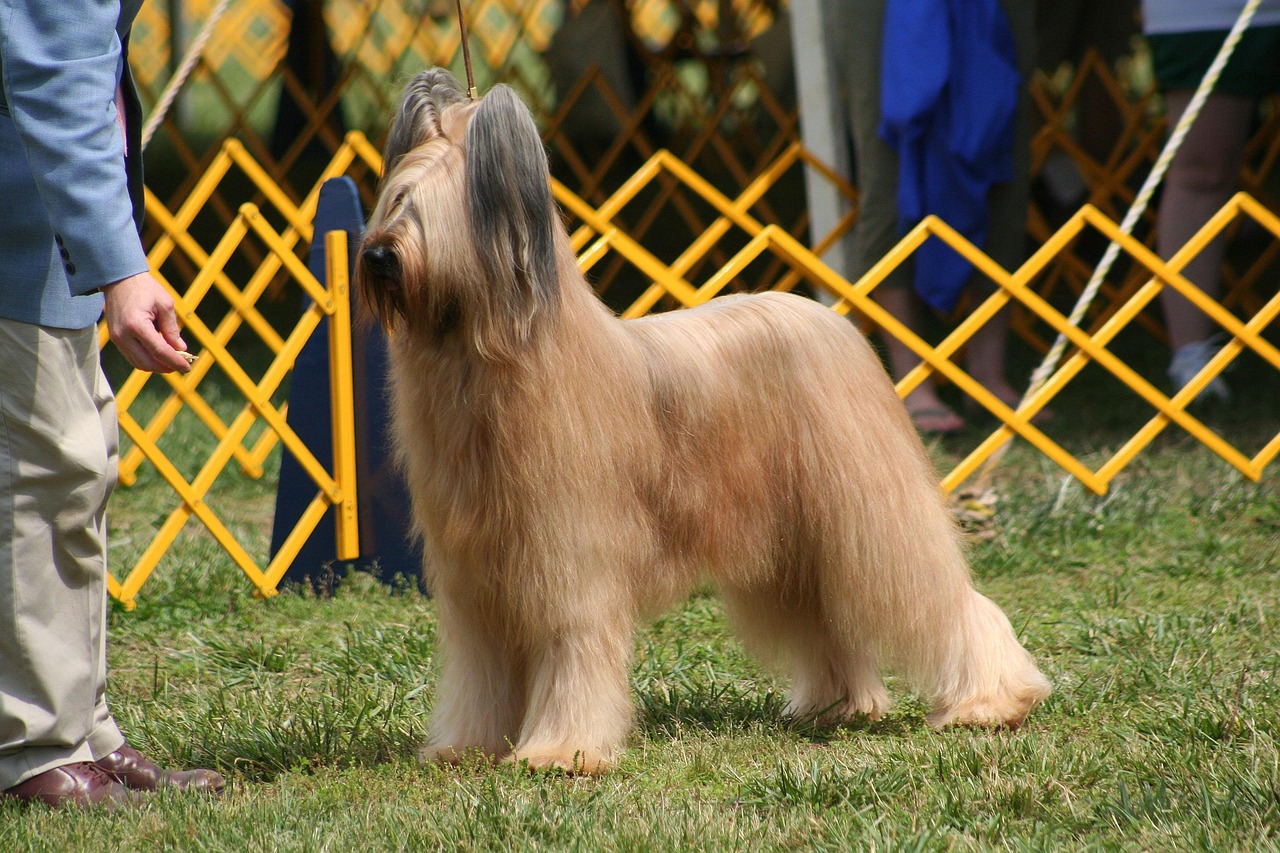
Dog shows have evolved significantly over the years, playing an essential part in the preservation of rare breeds. These events provide a platform where breeders can showcase their efforts in maintaining the integrity of these breeds. In many cases, dog shows highlight breeds that might otherwise fade from public recognition, thus fostering appreciation and understanding among the audience. Furthermore, these shows encourage responsible breeding practices by promoting the attributes that define a standard for each breed. This not only involves physical characteristics but also temperament and health traits. Judges at these shows have the authority to award points based on the dog’s adherence to established breed standards. This rigorous assessment helps ensure that only the dogs that best exemplify desired traits are bred. By doing so, dog shows can directly influence which breeds see a resurgence in popularity. Additionally, the networking opportunities available at these events can connect breeders with enthusiasts, creating a supportive community that champions rare breeds. As a result, the visibility and appreciation gained at dog shows can play a crucial role in sustaining these breeds for generations to come.
Another critical aspect of dog shows is their educational component. Many attendees are unaware of the challenges faced by rare breeds, such as declining genetic diversity or mischaracterization in public perception. Dog shows serve as educational forums where breeders and enthusiasts share knowledge about rare breeds. Through demonstrations, seminars, and interaction, these shows provide insight into the specific requirements and qualities of each breed. Furthermore, by raising awareness about these issues, dog shows can inspire a new generation of dog lovers to actively engage in preservation efforts. This might include adopting rare breeds, volunteering with rescue organizations, or becoming involved in breed clubs. These clubs often work tirelessly to promote their breeds through various outreach programs, thereby creating a larger, more informed community dedicated to preservation. In addition, participants often leave these events with valuable information that can be applied to breed care and training. The more knowledge disseminated at dog shows, the greater the likelihood that these rare breeds remain viable, ultimately enriching the world of dog ownership. Enhancing this awareness provides an avenue for bridging generational gaps in care and understanding.
Fostering Connections Between Breeders and Judges
Dog shows also facilitate essential connections between breeders and judges. This relationship is crucial for the ongoing health and viability of rare breeds. Judges, renowned for their deep understanding of breed standards, can provide invaluable feedback to breeders. This feedback often encompasses aspects of health, structure, and temperament, which can significantly influence breeding decisions. Engagement between judges and breeders promotes a culture of continuous improvement, ensuring that breeders are well-informed and adhere to best practices. Moreover, dog shows often feature judges who are passionate about promoting rare breeds. Their enthusiasm can spark interest within the broader dog community and encourage attendees to support these breeds. Additionally, judges often share insights into the challenges facing certain breeds, allowing breeders to adapt their breeding programs accordingly. This constant information exchange enhances the collective knowledge of all involved, ultimately leading to better advocacy for rare breeds. By creating quality connections at these events, dog shows reinforce their role as a platform for growth and education within the breeds’ community, enabling a future that prioritizes preservation and responsible breeding.
Furthermore, the competitive nature of dog shows promotes excellence among breeders. As participants strive to win titles or ribbons, they are motivated to improve their breeding practices continually. Achieving success at dog shows can elevate a breeder’s reputation, leading to higher demand for their dogs. This economic incentive encourages breeders to adhere closely to breed standards while maintaining genetic health. As breeders become more invested in the success of their rare breeds, they may also become more open to collaboration. Collaborations often result in shared resources, knowledge, and enhanced breeding practices, providing a holistic approach to health and development. Networking at dog shows enables breeders to exchange successes and challenges, creating a community that uplifts rare breeds collectively. Additionally, competition can introduce a wider audience to rare breeds, increasing their popularity beyond the show circuit. Greater visibility can lead to an increased appreciation for these breeds, creating a cycle that fosters continued interest in preservation efforts. Thus, the competitive landscape of dog shows leads to overall improvement within rare breeds, further solidifying the significance of these events.
The Impact of Legislation on Dog Shows
Legislation also plays a crucial part in the dynamics of dog shows and the preservation of rare breeds. As laws surrounding animal welfare become stricter, dog shows must adapt in order to conform. This compliance can lead to more stringent breeding regulations, emphasizing health, care, and ethical practices. Rare breed advocates often work closely with regulators to create laws that uphold the integrity of responsible dog shows and breeding practices. In turn, these regulations can help mitigate the decline of specific breeds by promoting healthier breeding practices. Furthermore, dog shows often serve as platforms for advocates to voice their concerns to lawmakers, fostering a collaborative environment dedicated to preservation. They can raise awareness regarding the cultural significance of rare breeds, impacting policymaking processes. By becoming involved in legislative discussions, the dog show community can safeguard the future of rare breeds. Working in tandem with regulatory bodies, dog shows can ensure that rare breeds receive the attention and respect they deserve, resulting in preservation-oriented strategies that keep these breeds alive and thriving.
Moreover, the role of dog shows extends beyond purebred competitions. Many dog shows now feature categories for mixed breeds, showcasing their individuality and unique traits. This inclusion promotes acceptance and respect for all dogs, regardless of their pedigree. By celebrating mixed breeds, dog shows can attract a larger audience interested in dog ownership in general. This broad appeal can aid in the preservation of rare breeds, as those who attend may become interested in adopting or supporting them. The love for dogs transcends breed lines, allowing connections to be made that pave the way for awareness and appreciation. Additionally, dog shows frequently highlight groups that advocate for rescue efforts within the dog community. They can use the platform to educate public attendees about the importance of rescuing dogs, which complements the conservation of rare breeds. This nurturing atmosphere creates engaging discussions around adoption and preservation, fostering respect for all types of dogs. Consequently, this shift towards inclusion can amplify the mission of preserving rare breeds through wider engagement and empathy in the community.
Conclusion: A Collective Responsibility
In conclusion, dog shows play a critical role in preserving rare breeds. They not only promote good breeding practices but also enhance community awareness surrounding these endangered dogs. By fostering connections between breeders, judges, and attendees, dog shows create a robust network devoted to advocacy and education. These events ensure that rare breeds stay in the public eye while emphasizing the importance of responsible ownership. The inclusion of legislation surrounding dog shows amplifies these objectives, serving to enhance the integrity of dog ownership practices. Collectively, the dog show community must continue championing rare breeds, ensuring they receive the respect and consideration they deserve. By encouraging healthy, ethical breeding while fostering wider public interest, dog shows guarantee a brighter future for all breeds. Efforts towards this end must continue, relying on community engagement and support to build sustainable channels for information exchange. Ultimately, it is through these shared responsibilities and commitments that the legacy of rare breeds can flourish, ensuring that they remain an integral part of our canine culture for generations to come. Together, the dog show community has the power to make a lasting impact on the preservation of these cherished breeds.
Furthermore, it is crucial to recognize the individual roles played by each participant in the dog show community. Every breeder, handler, and judge contributes uniquely to the preservation efforts. For breeders, responsible breeding ensures that the genetic diversity of rare breeds remains intact. Handlers showcase these dogs’ best attributes in the ring, drawing the attention of prospective owners and judges alike. Judges, on the other hand, serve as custodians of breed standards, ensuring that only the best representatives of each breed are recognized. This collaborative dynamic creates a robust support system where the preservation efforts of each member overlap and intertwine. Moreover, through initiatives such as breed clubs and rescue organizations, additional avenues for advocacy emerge. These groups often participate in dog shows, creating informative booths that educate attendees about the plight of various breeds. Such interactions can ignite passion in new dog lovers who may choose to support preservation efforts through various means. The collective effort fosters a community that appreciates and understands the value of canine biodiversity, thereby creating a sense of responsibility towards preservation. It solidifies the voice of rare breeds in an ever-evolving canine landscape.