
Can Ear Mites Cause Hearing Loss in Dogs?
Ear mites are tiny parasites that primarily affect dogs and cause discomfort and irritation. These pests can lead to severe ear infections if not treated promptly, impacting the overall health and well-being of your pet. One area of concern among dog owners is whether ear mites can result in hearing loss in dogs, a topic that demands attention. The presence of ear mites can lead to incessant scratching and irritation, which can create conditions suitable for bacterial infections. Such infections, if severe, may damage the ear’s delicate structures, potentially leading to hearing loss. Proper diagnosis and treatment are essential not only for clearing the infestation but also for preventing long-term damage to your dog’s auditory system. Regular ear cleaning and prompt veterinary visits are recommended when signs of ear mites are suspected. Keep a lookout for excessive scratching, head shaking, or foul odors emanating from your dog’s ears. Understanding how ear mites can affect hearing emphasizes the importance of preventative care to ensure your dog remains healthy and happy. If in doubt, consult with a veterinarian for an accurate assessment and treatment options.
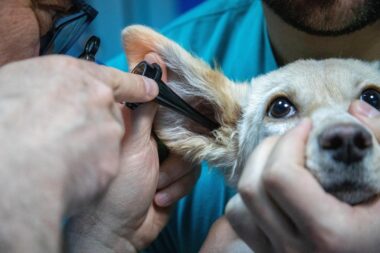
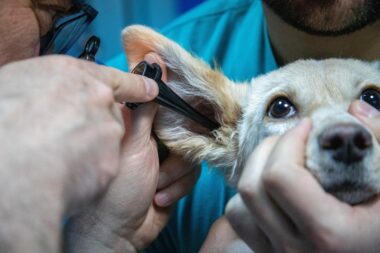
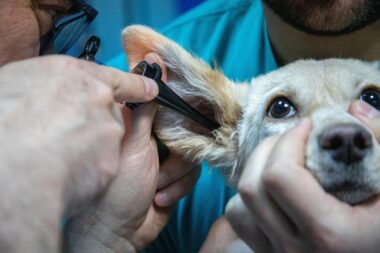
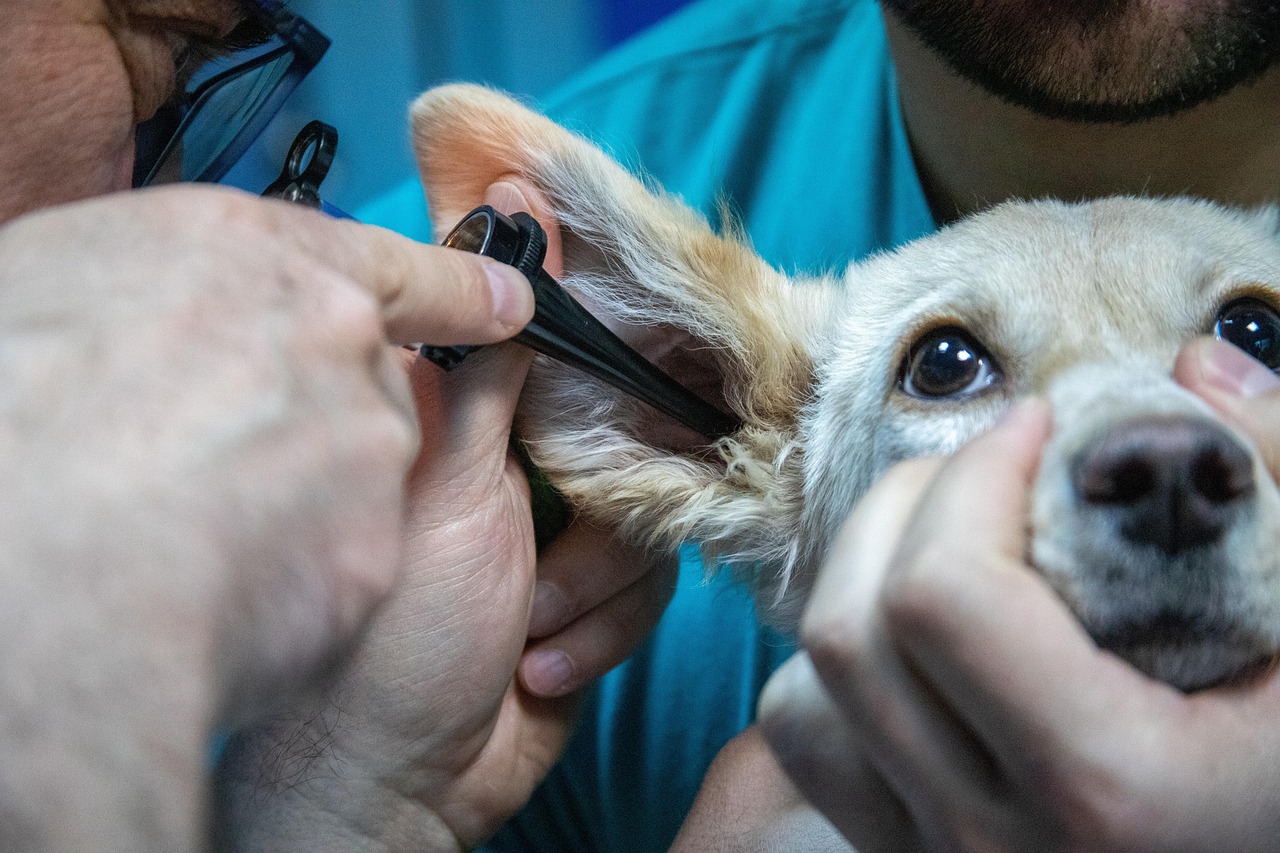
When it comes to ear mites, immediate action is vital. These pests thrive in warm, dark environments, such as dog ears, and can easily spread from pet to pet. One misconception is that ear mites are exclusively found in unclean animals; however, any dog can become infested, regardless of hygiene. Signs of infestation include itching, redness of the ear canal, and even the presence of dark, crumbly wax. Consult a veterinarian upon noticing symptoms to confirm the diagnosis through examination and microscopic analysis. These specialists can prescribe appropriate treatment, including topical medications that eradicate the mites and ease discomfort. Left untreated, ear mite infestations can lead to chronic infections, which may cause significant injury to the auditory structures. Long-term inflammation can result in hearing impairment, making early intervention essential to avoid complications. In addition to medical treatment, regular ear cleaning practices are advised. Use veterinarian-recommended solutions to clean your dog’s ears safely, thus preventing additional build-up. By maintaining good ear hygiene, pet owners can greatly reduce the risk of ear mite infestation and subsequent health issues.
The Life Cycle of Ear Mites
Understanding the life cycle of ear mites can help in preventing future infestations. Female ear mites reproduce rapidly, laying numerous eggs in the ear canal’s skin folds. The eggs hatch into larval forms within a few days, which then mature into adult mites within about two weeks. Adult mites are tiny, measuring only a few millimeters, and are not visible to the naked eye. They feed on the wax and oils present in the ear canal, causing irritation and inflammation. This continuous cycle underscores the importance of treating the infestation as soon as it’s identified. Learning to recognize the early signs of an infestation can help break this life cycle before it escalates into a larger problem. Regular inspections of your dog’s ears will allow you to detect any changes early on. If confirmed, treatments typically involve both ameliorative and preventative measures to ensure any remaining mites do not establish new colonies. Awareness of ear mite life cycles is critical for responsible pet ownership, ensuring that our furry friends remain healthy and free from unnecessary discomfort.
In addition to direct infection, ear mites can indirectly affect your dog’s hearing ability. Chronic ear infections, often resulting from untreated infestations, can create fluid build-up and ruptures in the eardrum. Over time, these issues may lead to scarring and a range of auditory impairments. Listening for cues such as changes in responses to sounds can alert owners to hearing complications. Affected dogs may seem unresponsive to commands or display signs of confusion. After consulting with a veterinarian, your dog may undergo testing to assess hearing loss. Intervening promptly can improve outcomes significantly since addressing both the mites and the resulting infections can reverse some of the damage. While mild cases may experience temporary hearing loss, significant infections can lead to permanent damage. Therefore, recognizing the beginnings of an infestation is vital. In cases where hearing has been compromised, additional therapy or rehabilitation may be recommended. Protecting your canine companion’s hearing begins with prompt action against ear mites and understanding the broader implications of their presence.
Signs of Ear Mites
Recognizing signs of ear mites in dogs can be the first step toward ensuring their health. Common symptoms include head shaking, scratching at the ears, or a distinct odor coming from the ear canal. You might notice your dog attempting to rub their ears against furniture or floor surfaces to relieve the itchiness. Observing for excessive dark discharge, which often resembles coffee grounds, is also indicative of ear mite presence. Prompt veterinary consultations are suggested for any abnormalities detected. A veterinarian can diagnose ear diseases effectively under examination and recommend necessary treatments or solutions. Ear mites can also lead to discomfort and cause your furry friend to become irritable or withdrawn. Other signs can include changes in balance and coordination as the infection progresses. The earlier these symptoms are identified, the better the chance of rectifying the situation before any lasting damage occurs. Engaging in regular check-ups will prevent ear mite infestations from becoming severe and promote your dog’s overall health. Monitoring your dog for these signs is an important aspect of responsible pet ownership and care.
Preventing the occurrence of ear mites and subsequent hearing loss in dogs is achievable with some straightforward practices. Regular ear cleaning plays a crucial role in keeping the ear canal dry and free from wax build-up. Moreover, use products specifically designed for ear cleaning, as human products may not suit canine needs. Bathing dogs routinely and ensuring that their ears stay dry is another way to help minimize the risk of ear mites. In addition, keeping dogs away from other infested pets can dramatically decrease the chances of transmission. Consider adopting a proactive approach by investing in preventive treatments available through veterinary clinics. Frequent checks and regular grooming can also spot any early signs of infestation, ensuring action is taken before more severe complications arise. In breeds prone to ear issues, maintaining an even more vigilant watch helps in early identification. Gaining education about ear health is also beneficial, as many responsible pet owners may not be aware of these practices. By following these preventive measures, pet owners can significantly lower the risk of ear mite infestations and promote healthier lives for their dogs.
Conclusion
In conclusion, while ear mites may seem small and unthreatening, they present serious risks to dog’s health, especially regarding hearing. Understanding how these parasites operate and the potential complications that arise from infestations is vital for proactive pet care. Early intervention is critical, as is thorough knowledge of ear mite symptoms. If caught early, treatments can be straightforward, allowing your dog to recover quickly without lasting effects. Leveraging preventative measures and regular health checks ensures that your furry friends stay free of these pesky parasites. Pet owners should educate themselves and remain vigilant about their dog’s ear health, as this can significantly enhance their quality of life and wellbeing. If you suspect that your dog has ear mites, consulting with a veterinarian promptly is essential. With the right approach and care, you can help safeguard your dog’s hearing and overall health against these tiny nuisances. While hearing loss may sometimes become an irreversible condition, taking swift measures can prevent such outcomes altogether. Prioritizing ear care not only improves hearing health but enhances your dog’s happiness and quality of life.
By recognizing the importance of ear hygiene and maintaining regular check-ups, dog owners can create a healthier environment not just for their dogs but also for the community of pets around them. Education is vital, ensuring that all pet owners understand how to identify and manage ear mite infestations with care and diligence. Always work closely with your veterinarian when you suspect a problem. Their expertise can guide your decisions and provide effective treatment options that can resolve this common issue quickly. The path to a healthy ear begins with informed, proactive measures that position you as a responsible pet owner. Ultimately, it’s about ensuring that your beloved pet enjoys a long and healthy life. Engaging in responsible pet ownership includes being diligent about grooming and ear care routine. This helps prevent unwanted issues from developing and secures your dog’s overall health and happiness. To conclude, don’t underestimate the serious implications that ear mites may carry for your dog’s hearing abilities. Stay informed, act promptly, and prioritize ear care to protect your furry companions.