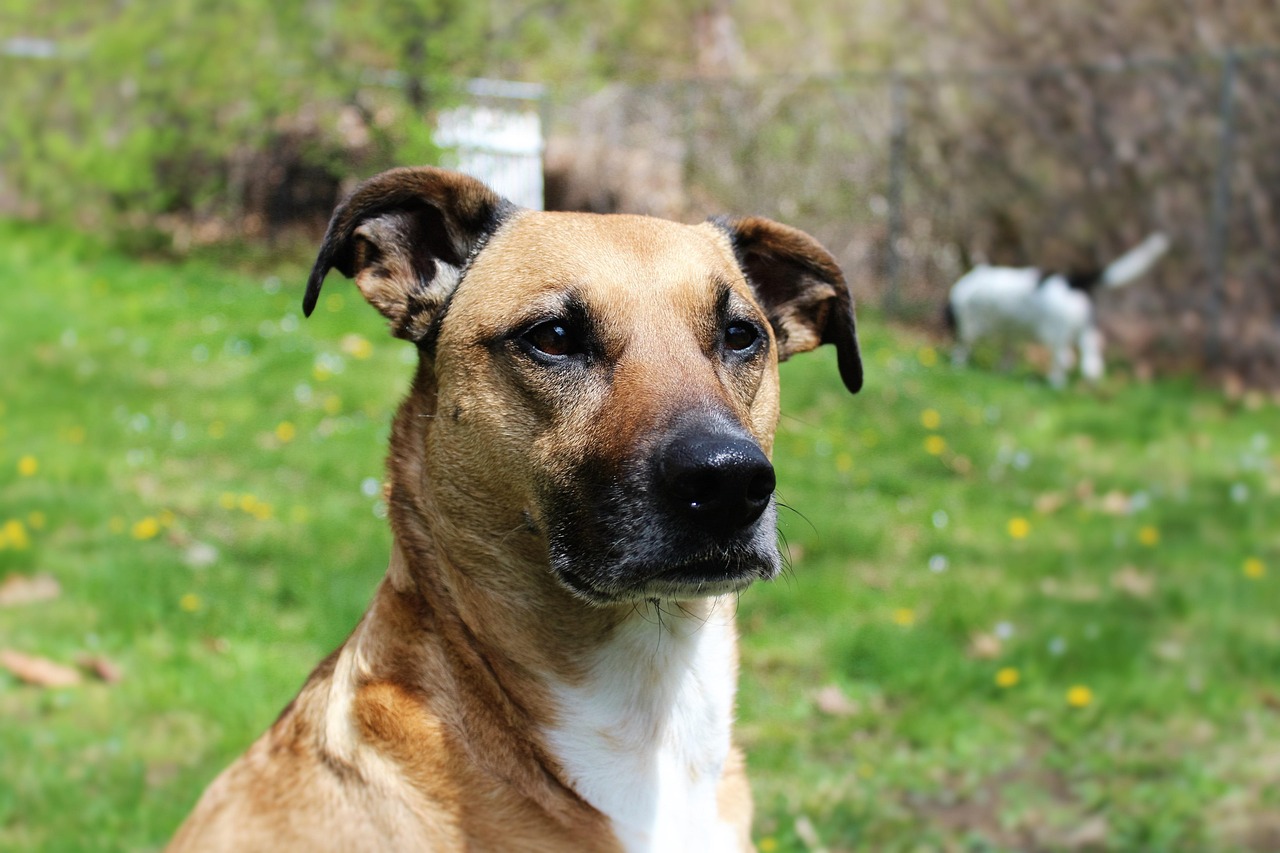

How to Address Barking and Noise Issues in Rescue Dogs
Rescue dogs can present various behavioral issues, including excessive barking and noise. Understanding the reasons behind barking is crucial for successful modification. Factors contributing to this behavior include anxiety, territorial instincts, and communication needs. Thus, active listening is vital. By observing when and why a rescue dog barks, you can tailor your approach. Start by taking notes on specific triggers. Note whether it’s other animals, strangers, or environmental noises disturbing your dog. This understanding will pave the way for correcting the issue effectively. Positive reinforcement is essential, allowing your dog to associate silence with rewards. When they remain quiet in the presence of a trigger, immediately offer treats or praise. Consistency is key; ensure that all family members follow the same rules and strategies so the dog receives a uniform message. Gradually increase the difficulty by introducing more distractions as your dog becomes comfortable. Patience and understanding are crucial throughout this process. It may take time for your dog to learn what behaviors are expected. Always celebrate small victories to keep your dog motivated and engaged throughout this journey.
Another effective way to combat barking in rescue dogs is through structured training sessions. Such sessions should encompass basic obedience commands like ‘sit’ and ‘stay.’ Incorporating commands teaches the dog how to be calm and focused on you, rather than becoming anxious or distractible. Create a routine that includes short training sessions throughout the day. Use a clicker or a verbal marker to signal when your dog successfully complies with commands. Reward them immediately to reinforce the desired behavior. This technique not only reduces barking but also strengthens your bond with your dog. When your dog learns to respond to commands, they will feel more secure, further aiding in behavioral modification. Additionally, consider using desensitization techniques. Gradually expose your dog to the stimuli causing barking in controlled environments. Start at a distance and gradually decrease that distance as your dog remains calm. Over time, this gradual introduction helps them become less reactive and more relaxed about their surroundings. It is advisable to consult a professional dog trainer experienced in behavioral issues to help guide you through the training process.
Creating a Calm Environment
The environment can significantly influence a rescue dog’s behavior, especially regarding barking and noise. Ensure your household is peaceful and nurturing to mitigate stress triggers that may provoke excessive barking. A designated safe space is also essential. Create a quiet area filled with comfortable bedding, toys, and calming aids like blankets. This area can serve as your dog’s retreat when they feel overwhelmed. Calming products, such as pheromone diffusers or anxiety wraps, can contribute to a relaxed atmosphere. Additionally, maintain a consistent schedule for feeding, walks, and play. Routine helps dogs know what to expect, reducing anxiety and unpredictability. Furthermore, providing mental stimulation through interactive toys or puzzles can channel energy productively instead of into barking. Enrichment activities alleviate boredom and help reduce excessive noise behaviors. Regular exercise is also crucial. Daily walks or play sessions can help burn off pent-up energy that might otherwise lead to barking. Aim for at least 30 minutes of vigorous activity each day to keep your dog physically fit and mentally satisfied.
It’s beneficial to understand the importance of socialization for rescue dogs as well. Exposing your dog to various people, environments, and other dogs can greatly diminish fear-based barking. Start early if you have a puppy and take them to diverse places safely. For older rescue dogs, gradual introductions are important. Attend dog-friendly gatherings to help your pet feel comfortable in public settings. Being around various situations decreases anxiety and teaches appropriate behaviors when encountering new experiences. Additionally, training classes can provide socialization opportunities while learning valuable skills. Meeting other dogs helps them learn to communicate better. Consider one-on-one sessions with a trainer if group classes are overwhelming. Use positive reinforcement to reward calm behaviors during these interactions. Nervous behaviors can often be addressed with proper training techniques. By fostering an environment of safety and support, you assist your rescue dog in overcoming fears and reducing bark-related issues. Providing consistent exposure allows your dog to adjust at a pace that suits them best, encouraging further growth in their confidence.
Consulting Professionals
When tackling persistent barking issues, it may be beneficial to seek help from professionals. A certified dog trainer specializing in behavior modification can offer tailored strategies that suit your dog’s individual needs. They can assess your dog’s behavior and identify specific triggers. Depending on the cause, they will recommend solutions to work on. Involving a professional can expedite progress and ensure you are executing techniques correctly. For cases involving severe anxiety or aggression due to barking, consulting a veterinary behaviorist is paramount. They may recommend medication in conjunction with behavior modifications when deemed necessary. It’s beneficial to have an open discussion about all management and training methods available to you. Ensure any professional you consult is well-versed in positive reinforcement techniques. Being well-informed equips you with the knowledge required to set realistic expectations for your dog’s progress. Keeping records of your dog’s responses to different methods helps pinpoint what works best. Knowing what tactics yield positive results allows you to maintain consistent strategies while modifying your dog’s behavior over time.
As you navigate this journey with your rescue dog, remember that patience and empathy are paramount. Barking is often a form of communication, and your dog may not grasp why their behavior is an issue. Thus, building trust is essential in helping them feel secure. Ensure you are providing ample opportunities for positive reinforcement during training sessions. Celebrate your dog’s achievements, no matter how small, to foster a strong bond. Make training sessions enjoyable and fun to enhance their learning experience. When your dog feels safe, they are more likely to be receptive to learning new behaviors. If confusion arises, stay calm and refrain from punishment as it can reinforce anxiety and further result in excessive barking. Instead, redirect their focus to something constructive when they bark. This could be a toy, a game, or an obeyed command. Gradually, your dog will understand that silence brings rewards while barking does not result in attention. With continued effort and consistent responses, it becomes feasible to create a peaceful environment with your beloved rescue dog.
Maintaining Progress
Finally, maintaining your dog’s training progress is crucial for long-term success. Regularly reinforce the techniques you’ve established whenever appropriate. Continue practicing commands learned in structured sessions during daily interactions. This practice will ensure your dog does not regress. Engaging in activities reminiscent of training helps reinforce desired behaviors over time. Monitor conditions in your environment that could contribute to barking. Always be proactive about minimizing potential distractions. For example, if your dog barks at sounds from outside, consider utilizing blinds or curtains to block their view. Additionally, remain vigilant in recognizing triggers you may have previously addressed that might return due to changes. Consistency in your responses to unwanted behaviors is essential, as any leniency might result in confusion. Moreover, consider maintaining regular check-ins with a dog trainer during updates or behavioral adjustments. Keeping the lines of communication open ensures that you can continue adapting your approach if necessary. With time, patience, and consistency, you will create a well-adjusted dog that can thrive in any environment without disruptive barking.