
Preventing Parasite Eggs from Spreading Through Home Cleaning
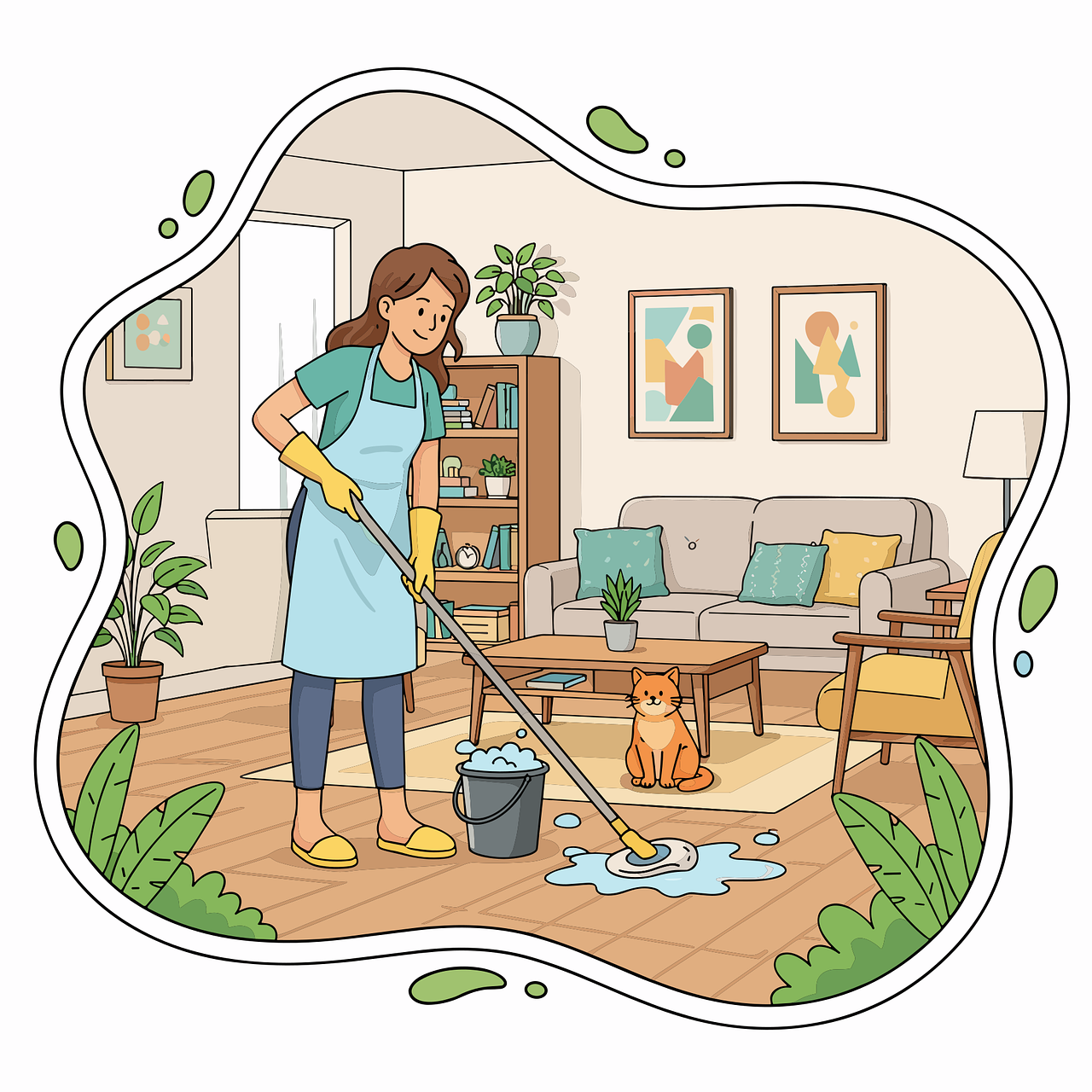
Cleaning and disinfecting your home environment is crucial for preventing the spread of cat parasites. Parasite eggs can easily remain in carpets, upholstery, and other surfaces, thus posing a significant risk to both pets and human health. Regular cleaning routines should include vacuuming, mopping, and washing fabrics to reduce these eggs’ viability. To be effective, use a vacuum cleaner with a HEPA filter; this helps trap microscopic eggs and other allergens. Pay special attention to rugs and furniture, where parasites thrive unnoticed. It’s wise to establish a cleaning schedule to maintain a healthy home environment, reducing not only parasite presence but also allergens. Disinfectants should be specifically formulated to target parasites, ensuring that all surfaces are properly treated. Do not forget high-touch areas such as doorknobs, light switches, and pet bedding. Regularly washing pet items in hot water also aids in eliminating any possible eggs. Maintaining a clean home will significantly reduce the risk of an infestation, ultimately ensuring a safer living space for both you and your feline companions. Invest time today to create a hygienic atmosphere where you and your pets can thrive safely.
Proper cleaning techniques are essential for effective parasite control in your home. When cleaning, start from the highest surfaces and work your way down, ensuring that any particles or eggs are falling to the lower areas where they can be collected. Use a microfiber cloth for wiping surfaces, as these are more effective at trapping dirt and parasites than traditional cloths. Be sure to clean behind furniture and in corners, as these hidden spots are often overlooked and can harbor parasites. In addition to surface cleaning, consider using steam cleaners on carpets and upholstery; high temperatures can kill any eggs present. Remember to focus on your cat’s favorite areas, as these are hotspots for parasite activity. Implementing a two-step cleaning method—first dusting and then disinfecting—can greatly enhance your home’s cleanliness. Make cleaning products a part of your routine, ensuring you are consistently maintaining a parasite-free environment. By taking these steps, you can significantly reduce the egg population and prevent infestations from taking root. Engage family members in the cleaning process for more effective results, turning it into a collective effort towards a clean home.
In addition to standard cleaning methods, maintaining outdoor areas is just as important when it comes to parasite control. Regularly inspect your garden and lawn, as outdoor environments can easily harbor parasites. Remove any debris or clutter that may provide hiding spots for pests. Ensure your pet’s litter box is placed away from high-traffic areas and cleaned frequently to prevent the eggs from spreading to your home. If your cat goes outdoors, try to limit their access to treated areas. Consider implementing physical barriers like cat enclosures, ensuring they enjoy outdoor activities without exposing themselves to potential parasites. You should also keep your yard well-mowed to reduce the chances of attracting rodents that often carry parasites. Use pet-friendly insect repellents for outside areas to minimize contact with parasites. Adding mulch or gravel can improve drainage and deter rodents while offering a clean space for your cat. It’s crucial to incorporate outdoor-oriented cleaning into your overall strategy to achieve comprehensive parasite control. Remember that a partnership approach to both indoor and outdoor environments will yield the best results in keeping parasites at bay.
Choosing Effective Cleaning Products
Choosing cleaning products specifically designed to target pet parasites can make a significant difference. Many conventional cleaners do not have the efficacy required to eliminate parasite eggs effectively. Look for products that contain ingredients known to combat parasites, such as enzymes and certain essential oils. Ensure that any products you utilize are safe for both pets and humans. It’s essential to read labels carefully to understand any potential harmful effects. Once you have identified effective cleaning agents, always follow manufacturer instructions for optimal results. For deep cleaning sessions, consider incorporating a thorough disinfection strategy that involves heavy-duty cleaning agents proven to eliminate parasites. Rotate products to enhance effectiveness and prevent any potential resistance from developing. If you prefer natural cleaners, options like white vinegar or baking soda can also be effective when used in combination with regular scrubbing. Always conduct a spot test first to prevent damage to surfaces. Finally, purchase cleaning products from trusted sources to avoid ineffective solutions. By being selective about your cleaning supplies, you can dramatically reduce the likelihood of a parasite re-infestation within your home.
Regular professional cleaning can also contribute to your overall parasite control strategy. Hiring a professional service that specializes in deep cleaning can ensure that every corner of your home is sanitized and effectively cleaned. These services often utilize specialized equipment capable of reaching areas that typical home cleaning cannot. A professional cleaning service can also offer treatments that are designed specifically for parasite management, such as thorough steam cleaning or even pest control applications. Be sure to communicate your specific needs, outlining your concerns regarding parasites, so they can tailor their service accordingly. Annual or biannual deep cleaning can be an excellent preventive measure, allowing you to maintain a healthy home environment continuously. Establish a partnership with a reliable cleaning service to ensure regular maintenance of your living space. Alongside your routine cleaning, professional assistance can heighten your control efforts significantly. Educated cleaners will use techniques and products that can help eliminate not just eggs but the adult parasites too. Hence, combining your cleaning routine with professional help will ensure you achieve the best results in parasite prevention.
Involving Family in Cleaning Routines
Involving family members in your home cleaning routines creates a shared responsibility for maintaining a parasite-free environment. Teaching everyone the significance of regular cleaning can foster a sense of commitment from all family members. Create a cleaning schedule that divides tasks among everyone, making it easy to manage routine duties. Assigning tasks not only teaches responsibility but also emphasizes teamwork and the importance of hygiene. Use tools like charts or lists to keep track of completed tasks, helping children stay engaged. Make cleaning fun by turning it into a game or rewarding system; for instance, create challenges with incentives to keep children motivated. Encourage open dialogue about the importance of cleanliness when it comes to pets, their safety, and overall health. Explain how parasites can spread and affect each family member, thereby creating a personal connection to the cleaning efforts. Set a good example by demonstrating proper cleaning techniques and safety measures. This awareness can instill lifelong cleaning habits in children. Ultimately, involving the family in your cleaning efforts will enhance the productivity of maintaining a parasite-free home.
Staying informed about parasite control practices enhances your capacity to prevent and manage infestations effectively. Education on the lifecycle of common feline parasites, such as fleas and ticks, can empower you to devise efficient preventative measures. Familiarize yourself with different parasite types and their unique behaviors, as this knowledge will help you anticipate their presence in your home. Online resources and literature can provide valuable information on treatment protocols and effective cleaning practices. Monthly or quarterly workshops can also present opportunities to learn from professionals in pet care or pest control. Discussions with your veterinarian can keep you updated on the latest preventative measures for your cat. Moreover, building a network with other pet owners can provide insights into practical experiences and solutions. Staying proactive about any changes in your pet’s health, such as scratching or unusual behavior, could lead to early detection of parasites. Participating in forums or local animal health workshops further enhances your knowledge base. By remaining vigilant and informed, you equip yourself with the necessary skills to continuously implement effective parasite control throughout your living environment.
Conclusion
In conclusion, cleaning and disinfecting your home is paramount in the fight against cat parasites. Regular, thorough cleaning paired with effective products, professional services, and family involvement creates a strong defense. Be proactive by maintaining cleanliness, educating yourself, and involving loved ones to foster a healthy living space for everyone, including your pets. And remember, the foundational aspect of any successful parasite control plan is consistency in cleaning practices. Whether it’s your daily tasks or engaging professionals, every effort contributes to a cleaner environment. Not only do you benefit from a healthier home, but you also enhance the well-being of your feline companions. Apply these strategies and be mindful of your cleaning regimen, and don’t hesitate to reach out to experts when necessary. By fostering an informed community around pet care, you can help spread awareness and improve practices across households. Taking these steps ensures that both cats and humans can share a home environment that thrives on safety and cleanliness. By mastering your cleaning techniques, you contribute to the well-being of every member of your household.