
Signs of Litter Box Problems in Senior Cats and When to See a Vet
Senior cats can experience several changes as they age, and these changes may lead to litter box problems. Understanding the signs of such issues is crucial for ensuring your cat remains healthy and comfortable. One common sign is inconsistent litter box use. If your senior cat starts to avoid the litter box, this may indicate a problem. Additionally, you might notice your cat straining to urinate or defecate, which can be caused by discomfort or a medical issue. Another sign is an increase in accidents outside the litter box, which can signal discomfort, stress, or even cognitive decline. Watch for changes in your cat’s behavior as well; if they seem more anxious, withdrawn, or agitated, these behaviors could reflect litter box challenges. You should also consider the age and condition of the litter box itself. Ensure that it remains accessible and easy to use for your senior cat. If you observe any of these signs, it is essential to consult your veterinarian as soon as possible to address any underlying health concerns.
Another sign that your senior cat might be having litter box issues is the presence of changes in urination patterns. If you notice that your cat is urinating more frequently or, conversely, less often than normal, you need to investigate further. Increased urination might indicate a urinary tract infection or other medical conditions, while decreased urination can signal potential blockages or dehydration. In addition, if your cat’s urine is unusually strong or dark, or if there are blood streaks, you must seek veterinary assistance urgently. You may also observe changes in the texture or smell of the feces, which can indicate digestive problems or dietary issues. Pay attention to whether your cat seems to have difficulty passing stools or appears uncomfortable during the process. Cats expressing discomfort could be experiencing intestinal blockage or constipation, both serious issues requiring immediate attention. Several problems can stem from litter box avoidance, including mental health issues or stress caused by changes in the home environment. Addressing litter box problems early can often prevent more significant health concerns from developing.
Health Assessment and Indicators
As a responsible pet owner, monitoring your senior cat’s behavior concerning their litter box habits is crucial. A sudden change may be troubling and should prompt a visit to the vet. During the health assessment, your veterinarian may conduct comprehensive tests to diagnose potential issues. Blood tests and urinalysis can be beneficial in detecting underlying illnesses such as kidney disease, diabetes, or urinary tract infections. Don’t overlook your cat’s physical appearance, either. Changes in weight, poor coat condition, and lethargy can all indicate health issues contributing to litter box problems. Always keep your cat’s diet in mind, as well; digestive issues stemming from improper nutrition are common among senior cats. Switching to a senior-specific formula can mitigate some of these problems. You might also want to consider additional factors that impact your cat’s well-being. Have there been any changes at home, like a new pet or a move? Stress can significantly affect your cat’s litter box use, prompting them to avoid it altogether. By identifying potential stressors, you can work on making your home environment calmer and more comfortable.
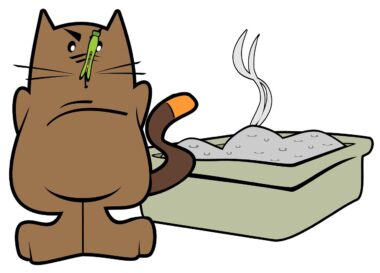
Addressing litter box problems in senior cats also means evaluating the litter box setup itself. The ideal litter box for a senior cat is easily accessible, meaning it should not be too high for them to enter. Moreover, the type of litter can make a significant difference as well. Some cats are picky about the litter texture or scent, so it’s wise to experiment with different products if your senior cat shows reluctance to use the box. Cats often prefer fine-grained, unscented litters, as they more closely resemble the natural soil they’re used to. Regular maintenance of the litter box is equally important. Senior cats may appreciate a clean box free from odor and waste. This cleanliness becomes even more crucial if you want to encourage them to use the box. Make sure to scoop the litter daily and change it entirely at least once a week. If problems persist despite your efforts, consulting with a veterinarian can ensure that there are no serious medical or behavioral issues contributing to these problems. Regular check-ups can also establish a baseline of your cat’s health, preventing illnesses.
Veterinary Visits and Solutions
It’s essential to approach your veterinarian with a detailed account of your senior cat’s behavior and litter box habits. Don’t hesitate to discuss any changes you’ve noticed during your visits. Providing your vet with this information can significantly aid in diagnosing potential health issues. In many cases, conditions like hyperthyroidism or renal failure can manifest through litter box avoidance. Treatment plans often depend on the diagnosis, but many underlying issues can be managed or addressed with proper care. If your cat suffers from a physical issue, such as arthritis, pain management strategies may be necessary. Using litter boxes with lower sides can make it easier for your cat to access them comfortably. If stress is identified as a contributor, behavioral therapy or environmental enrichment can improve their mental well-being. You may also explore options like pheromone diffusers, which can create a comforting atmosphere for anxious cats. The sooner these approaches are taken, the better your chances of restoring your cat’s normal litter box habits. Your veterinarian can guide you through the best options tailored to your senior cat’s specific needs.
Additionally, ensuring a stress-free litter box environment is essential to help mitigate these issues. Create a safe space by placing the litter box in a quiet area of your home, away from heavy foot traffic and noisy appliances. This area should be easily accessible to your senior cat to avoid navigating obstacles. Providing multiple litter boxes may also lessen stress for multi-cat households. Senior cats can sometimes feel overwhelmed by younger, more active cats, so having their space can encourage better usage of the box. You might want to incorporate mats under the box to help reduce litter scatter, making cleanup easier, while also ensuring your cat remains comfortable. Monitor the number of boxes available as a rule of thumb: the number of litter boxes should ideally be equal to the number of cats in the household, plus one extra. In this way, every cat can find a clean and accessible box. By paying close attention to your senior cat’s needs and modifying their environment accordingly, you can actively help minimize potential problems before they escalate and enhance their quality of life.
Conclusion and Final Recommendations
Caring for senior cats involves understanding their changing needs, especially concerning litter box use. Early detection of any issues is key to ensuring your cat remains healthy and comfortable as they age. Be vigilant for any behavioral changes, such as reluctance to use the litter box, changes in elimination patterns, or physical signs of discomfort, which may signal preparatory issues. Regular veterinary check-ups should be part of your caregiving routine, helping to address any potential medical conditions early on. Furthermore, modifying the litter box setup can lead to a more comfortable experience for your senior cat. Maintaining cleanliness and creating a low-stress environment will encourage your cat to use the litter box regularly. Don’t hesitate to consult your veterinarian to devise a plan tailored to your senior cat’s specific circumstances. Being proactive in your approach will ultimately lead to a happier, healthier, and more harmonious relationship with your beloved feline friend. Remember, your attention to these signs and proactive steps can make a significant difference in their quality of life as they age.