
Signs That Your Dog Is Too Cold and How to Respond
Dogs, just like humans, can experience discomfort from cold temperatures. Recognizing the signs that your dog is too cold is essential for their health and well-being. Dogs may shiver, seek shelter, or curl up tightly when they feel cold. If your dog shows any of these behaviors, it’s time to reassess their environment. Furthermore, the overall health condition of your dog plays a crucial role in determining their tolerance to cold weather. For instance, older or sick dogs may be more susceptible to the cold than younger, healthy dogs. If you notice that your dog is lethargic or slow to respond, this may also indicate they are uncomfortable due to low temperatures. Additionally, their behavior can vary depending on the breed, as some breeds have thicker fur and are better equipped to handle colder climates. Always consider these factors when evaluating whether your dog is too cold. Keeping an eye on your dog’s body language is vital to ensuring their comfort and safety in winter conditions.
To keep your dog warm during colder months, consider providing them with adequate shelter and warm bedding. Proper insulation can help maintain a comfortable temperature in their resting area. You can also invest in dog jackets or sweaters that are designed to provide extra warmth. Such clothing should be appropriate for your dog’s size and breed, ensuring it fits snugly but isn’t restrictive. During walks, be sure to keep an eye on your dog’s comfort level. If there’s snow or ice, carefully wipe their paws after returning home to prevent ice buildup between their toes. It’s also a good idea to limit outdoor time in severely cold conditions, especially for small or short-haired breeds. Furthermore, be aware of symptoms indicating frostbite, especially in extremities like ears and paws. Signs may include pallor, swelling, or icy feeling. React quickly if you suspect frostbite is developing; treating it early can make a significant difference. Always consult your veterinarian regarding the best practices to keep your dog safe and comfortable in cold weather conditions.
Recognizing Severe Cold Stress Symptoms
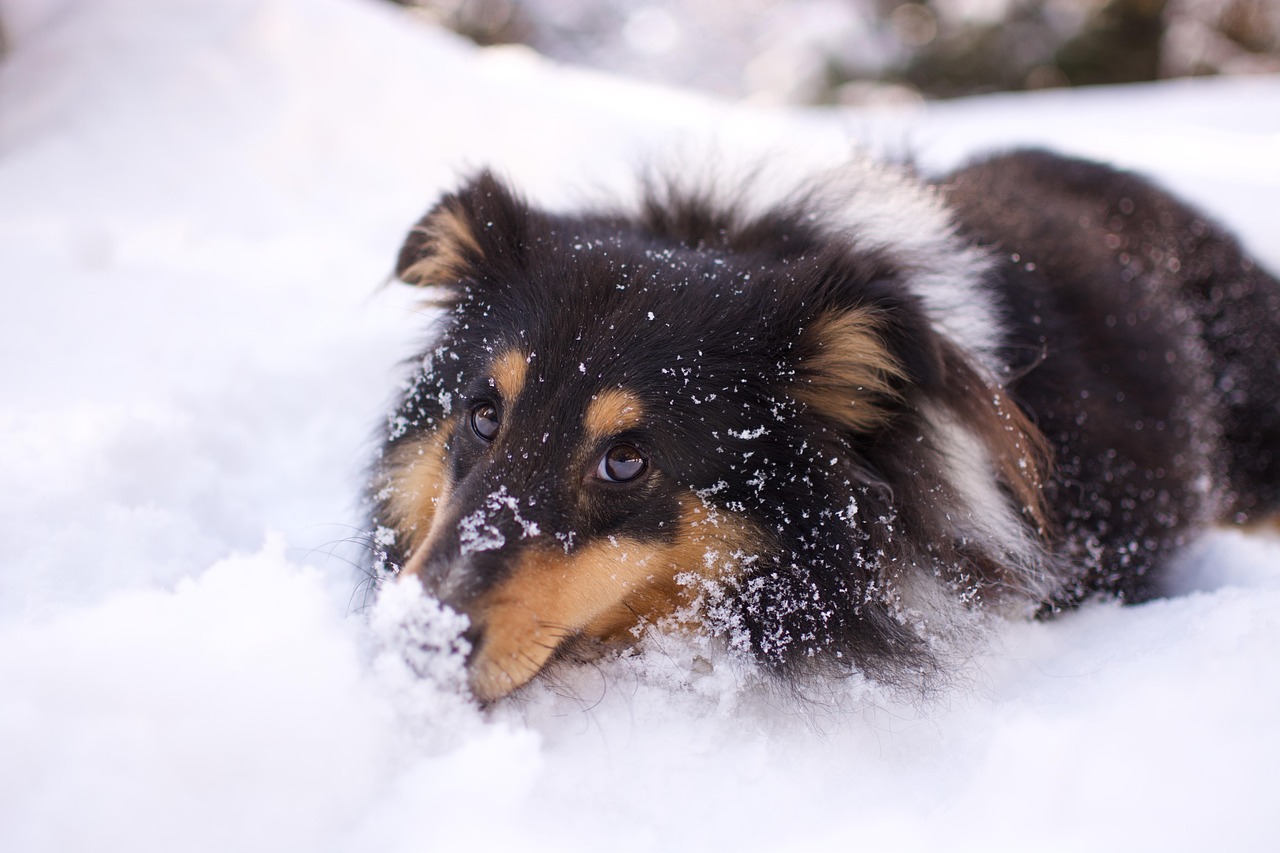
When dogs experience severe cold stress, they may exhibit alarming symptoms such as confusion or disorientation. If your dog appears unsteady, it may be trying to communicate discomfort or distress caused by hypothermia. Shivering is commonly associated with being cold, but an absence of shivering in a visibly cold dog can indicate a more serious issue, such as hypothermia. This condition occurs when the dog’s body temperature falls below the normal range and can lead to dangerous health risks. In addition, other warning signs to be vigilant of include excessive panting, rapid breathing, and a noticeable weakness. If your dog stops responding to commands or becomes uncharacteristically lethargic, it’s crucial to seek medical attention immediately. Be proactive by regularly checking your dog’s temperature during snow or icy conditions since prompt treatment may prevent major health complications. Additionally, maintaining nutritional needs through high-quality food aids in insulating them effectively. Special attention given to these symptoms helps ensure your dog’s overall well-being as temperatures drop in harsh winter conditions.
Providing a warm environment for your dog during winter should be a top priority for any pet owner. Ensure they have access to either a heated or well-insulated doghouse, especially during nighttime. If your dog sleeps outside, make sure their sleeping area is elevated from the ground and covered to protect from moisture. Additionally, using plenty of bedding within their space can provide comfort and warmth as they sleep. If your dog stays inside, consider using blankets or dog beds that offer insulation against cold floors. It’s important to avoid drafts, as these can lead to temperature fluctuations that make your dog uncomfortable. When acclimating your dog to cold weather, ensure gradual exposure is part of the process, as this can help them adapt effectively over time. Also, consider monitoring their behavior closely when introducing them to new outdoor environments. This approach can help ensure they are comfortable and don’t experience any unnecessary stress due to abrupt changes in their surroundings or temperature. Always prioritize their comfort and keep the cold at bay.
Emergency Responses for Cold Injuries
If you suspect your dog has developed hypothermia or frostbite, immediate action is essential. Begin by bringing your dog indoors to a warm environment. Wrap them in blankets to help raise their body temperature gradually. Avoid using heat sources like hair dryers or heating pads directly on their skin, as this can cause burns. Instead, focus on providing gentle warmth, allowing their body to adjust naturally. Offer warm, non-alcoholic liquids to rehydrate them and aid in recovery. If frostbite is evident, seek veterinary assistance as soon as possible to ensure proper treatment. Professional help may be necessary for more serious cases to prevent lasting damage. Recognizing the need for medical intervention can make a significant difference in your dog’s recovery. For best practices, familiarize yourself with emergency protocols specific to cold weather-related injuries. This knowledge not only equips you to handle potential emergencies but also reassures your pet through difficult situations. The sooner your dog receives the necessary help, the better the potential outcomes of their recovery.
While understanding how to care for your dog during cold weather is crucial, prevention is equally important. Avoid leaving your dog outside for extended periods when temperatures drop significantly. Implement a safe system to monitor their outdoor time, allowing enough time for bathroom breaks while ensuring they aren’t exposed to harmful conditions. Knowledge of your dog’s breed and its cold tolerance is invaluable. For example, breeds like Huskies and Malamutes are more suited to cold climates, while others may struggle significantly. In addition, pay close attention to the weather forecast and plan activities accordingly. When temperatures dip dangerously low, it may be best to stay indoors. Use doggie shoes or booties to protect their paws from icy surfaces and salt on the roads. Education on how to recognize signs that your dog is cold allows you to respond quickly and appropriately. Ultimately, developing a relationship of trust and safety with your pet is paramount when dealing with extreme weather conditions. Always keep their well-being and comfort at the forefront of your priority list during the chilly season.
Conclusion and Resources for Further Help
In conclusion, recognizing the signs that your dog is too cold is vital to ensuring their safety and comfort during harsh winters. Being proactive in understanding their needs helps in providing a supportive environment. Regularly monitor their behavior and maintain warmth both inside and out of the home. Consult your veterinarian for guidance on fortifying your dog’s health during cold months. Resources such as local shelters or online forums can provide additional information and community support for pet owners facing similar issues. If you experience any difficulties connecting with your dog’s needs, don’t hesitate to reach out for help. Additionally, various organizations advocate for pet welfare and can provide advice on keeping your pet comfortable. Moreover, always conduct regular check-ups to ensure your dog’s overall health is well-maintained, especially during seasonal changes. The better you understand your dog’s unique requirements, the more equipped you are to ensure their happiness and well-being. By taking these steps, you can minimize any discomfort and create a safe haven for your dog during the colder months.
By investing time and energy into protecting your dog from the cold, you’re not just keeping them warm but also letting them know they can rely on you. Building this level of trust can significantly enhance the bond you share, creating a supportive environment that promotes long-term wellness. Please consider each of the suggestions laid out here, and remember that taking preventive measures is always better than needlessly reacting to a problem that may arise. Be sure to enjoy outdoor activities responsibly, keeping your dog’s comfort and health at the forefront of your adventures together. Whenever in doubt, prioritize comfort and warmth, especially if you notice any signs of discomfort in your canine friend. Sharing moments with your pet during winter can be a joyful experience, full of cherished memories and adventures, as long as their well-being is safeguarded. Allow these considerations to guide your decisions and actions moving forward. Always embrace awareness when sharing the frosty winters together. Happy trails and warm cuddles await in this beautiful season with your beloved pooch.