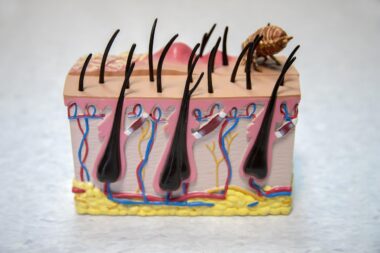

The Impact of Stress on Canine Skin Health
Stress is a significant factor influencing a dog’s overall health, particularly their skin condition. Dogs experience stress from various sources such as environmental changes, loud noises, and separation from owners. This stress response can lead to various health issues, most notably skin problems like hot spots and dermatitis. Understanding how stress affects skin health is crucial for pet owners. A stressed dog may engage in excessive scratching or biting, leading to skin irritation, infections, and hair loss. Addressing these issues promptly can prevent worsening conditions and improve overall skin health. Signs of stress may include changes in behavior, appetite, and physical appearance, indicating that a dog’s stress levels require attention. As dogs are creatures of habit, any disruption can increase anxiety, manifesting in skin problems. Owners must observe their pets closely for any signs of discomfort or stress-induced behaviors. Recognizing stress as a factor in skin health allows for timely interventions to prevent chronic skin conditions. Consequently, it is essential to provide a stress-free environment to promote healthier skin and overall well-being for dogs, ensuring they thrive both mentally and physically.
Effective management of canine stress begins with understanding its triggers, which vary from dog to dog. Common stressors include changes in their daily routine, hostile interactions with other pets, or unfamiliar environments. Additionally, certain breeds may be more susceptible to stress-induced skin problems. Pet owners should learn to identify specific situations that cause anxiety in their dogs. By observing behavior changes, such as increased barking, hiding, or aggression, owners can pinpoint the issues causing stress. Once these triggers are identified, creating strategies to minimize stress becomes imperative. Techniques can include providing designated quiet spaces, ensuring consistency in daily routines, and gradually introducing new experiences. In some cases, professional training might be necessary to help dogs cope with anxiety. It’s important to remember that fostering a healthy mental state can significantly improve a dog’s skin condition. Moreover, physical exercise can be vital in reducing stress, allowing dogs to expend excess energy and remain calm. Owners should include regular walks, playtime, and mental stimulation to create a balanced environment for their dogs. Establishing this balance can mitigate stress effectively, thereby improving skin health over time.
The Importance of a Balanced Diet
A balanced diet plays a crucial role in maintaining a dog’s skin health. Nutrition directly affects a dog’s immune system, which is vital in combating stress-related skin issues. Essential fatty acids, vitamins, and minerals contribute to healthy skin by promoting moisture retention and elasticity. Regular feeding of high-quality, well-balanced dog food that meets all nutritional requirements can enhance skin health and overall well-being. When dogs are stressed, their bodies may require additional nutrients to cope more effectively with the physiological effects of stress. Foods enriched with Omega-3 fatty acids provide anti-inflammatory properties, which can help prevent skin irritations exacerbated by scratching or biting. Supplements like probiotics can also support gut health, aiding in the body’s response to stress. Furthermore, owners should consult veterinarians regarding specific dietary needs, particularly for dogs displaying stress-induced skin conditions. Routine monitoring of weight and coat condition can indicate whether a dog’s diet needs adjustment. Comprehensive dietary management supporting skin health can significantly improve how a dog reacts to stress. Consequently, nutrition remains a fundamental aspect of any strategies addressing stress-related skin problems in dogs.
Behavioral modifications can help address stress-related skin conditions in dogs. Techniques such as positive reinforcement training can create an environment where dogs feel safe and confident. When dogs learn to associate specific situations with positive outcomes, their reaction to stressors diminishes. For example, rewarding calm behavior during potentially stressful events, like visitors arriving or thunderstorms, can gradually reduce anxiety. Additionally, desensitization techniques expose dogs gradually to stressors, helping them learn to cope better without adverse reactions. Mental stimulation, such as puzzle toys or training exercises, can redirect their focus and energy from stress-inducing triggers. Engaging in play can also relieve tension, benefiting both the dog’s emotional and physical state. Moreover, introducing calming products or therapies can further assist in reducing anxiety. High-quality calming treats, pheromone diffusers, or anxiety wraps can help dogs manage their stress more effectively. Creating a safe and secure environment within the home reduces overall anxiety levels, leading to healthier skin. Owners must prioritize incorporating these behavioral modifications into the daily routines of their dogs. By fostering a positive environment, dogs are less likely to experience stress, improving their skin health considerably.
The Role of Regular Veterinary Care
Regular veterinary check-ups are essential for maintaining canine skin health, particularly concerning stress-related conditions. Veterinarians can accurately diagnose skin problems, determining whether they are stress-induced or stem from other health issues. Routine examinations also allow for timely intervention, preventing progressive skin disorders. Vets can recommend appropriate treatments and management strategies tailored to each dog’s needs. In cases of chronic skin issues, testing might be necessary to rule out allergies or other underlying conditions affecting skin health. Vets can also guide managing stress in dogs, providing strategies to promote overall well-being. Furthermore, vaccinations and parasite control are essential components of good skin health. Parasites like fleas and ticks can exacerbate skin irritation and cause further stress in dogs. Regular preventive care can drastically reduce the risk of skin problems related to these pests. Additionally, discussing dietary and environmental modifications with a veterinarian can optimize a dog’s overall lifestyle. Lastly, responsible pet ownership entails seeking professional guidance when needed, ensuring dogs receive comprehensive care for both their skin and mental health. This proactive approach can significantly improve the quality of life for dogs struggling with stress and skin health issues.
Grooming routines play a vital role in maintaining skin health in dogs while addressing stress. Regular grooming not only helps keep a dog’s coat clean and free of debris but also provides an opportunity to check for skin issues. Bathing dogs with appropriate products contributes to better skin condition by removing dirt and allergens that can cause irritation. Additionally, grooming sessions establish a bonding experience between the owner and the dog, reducing anxiety. Many dogs enjoy being groomed, making it a calming activity when done correctly and gently. Owners should choose high-quality, hypoallergenic shampoos designed specifically for dogs, as harsh chemicals can worsen skin problems. Furthermore, regular brushing can prevent matting and tangles, allowing for better air circulation and skin health. Attention to specific areas such as the paws, underbelly, and around the ears is essential, as these spots can harbor allergens. Short grooming sessions that focus on comfort can create positive experiences for dogs, making them more accustomed to the process. Ultimately, a well-structured grooming routine can bring significant benefits to a dog’s skin health while simultaneously alleviating stress.
Conclusion and Best Practices
Understanding the relationship between stress and skin health in dogs is crucial for responsible pet ownership. By acknowledging how stress impacts a dog’s overall well-being, owners can take active steps to mitigate its effects. Providing a stress-free environment, regular veterinary care, balanced nutrition, and appropriate grooming routines are all essential to maintaining a dog’s skin health. Implementing effective behavioral modifications can further improve dogs’ resilience to stressors. It is essential for dog owners to remain observant and proactive in recognizing potential issues before they escalate. Ensuring proper management of stress can lead to increased happiness and healthier coats for dogs. Owners should remember that their dogs rely on them for support and guidance during distressing times. Consulting with veterinarians and pet care specialists can offer valuable insights into creating effective management plans. In conclusion, the best practices for promoting canine skin health while managing stress include a holistic approach, combining nutrition, grooming, exercise, and behavioral reinforcement. With diligence and care, responsible pet owners can foster healthier, happier lives for their canine companions by minimizing stress and enhancing overall skin health.
In conclusion, addressing the impact of stress on canine skin health helps improve the quality of life for dogs and their owners. Recognizing the signs of stress, maintaining routine veterinary visits, and investing in proper nutrition and grooming are vital for long-term health. An open dialogue between pet owners and veterinary professionals is key to developing individualized care plans for stressed dogs. By taking a comprehensive and proactive approach, pet owners can significantly enhance their dog’s happiness and well-being while simultaneously improving their skin health. Ensuring that your canine friend receives the attention and care needed to thrive without undue stress contributes immensely to their quality of life. By employing the strategies mentioned, owners can create a harmonious environment for their pets. This means providing love, support, and understanding to their furry friends, alleviating any stress that may arise from their daily lives. In a world full of uncertainties, the goal is to ensure that dogs feel safe, secure, and loved. Stress management should be viewed as an integral part of canine care, encouraging wellness in both body and mind. Ultimately, a happy dog means a healthy dog.