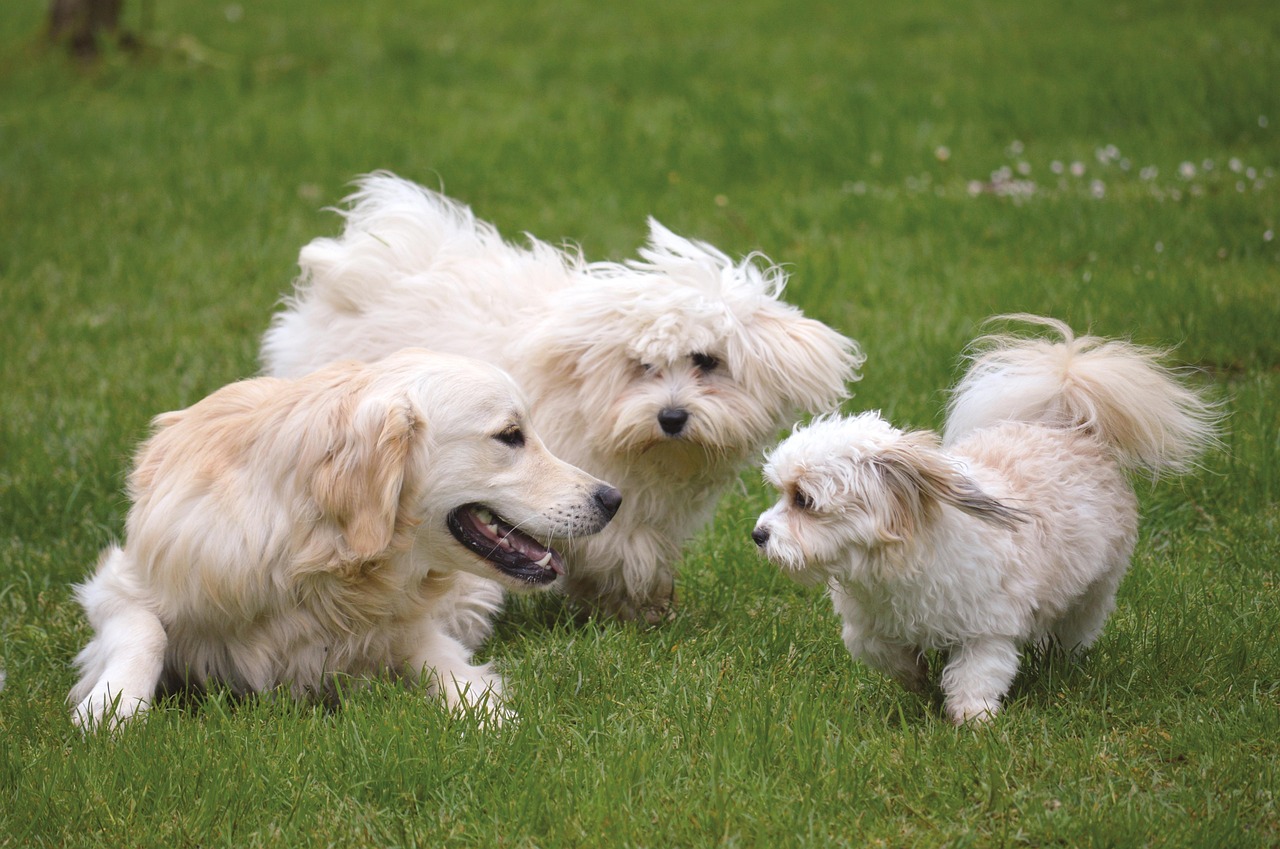

The Role of Play in Dog Socialization
Play is a crucial aspect of dog socialization, serving as a fundamental tool for teaching dogs how to interact with other dogs and humans. Through play, dogs learn important social skills, including communication, boundaries, and impulse control. Effective play can be organized in different environments, such as parks or training classes. Keeping their energy levels in mind, ensure that play is appropriate for each dog’s size and temperament. Just as people benefit from socializing, dogs thrive when given the opportunity to interact with others. Play sessions can be structured or free-ranging and can involve toys or even simple interactions with other dogs. Engaging in these activities helps develop their behavioral responses, equipping them with skills they can utilize in a variety of situations. Dog owners should be observant, ensuring that their pet is enjoying the experience while learning simultaneously. The right balance of structured and unstructured play promotes healthy social interactions. Owners can actively participate in their pet’s playtime, setting the stage for positive behaviors to emerge and ensuring a strong bond between the dog and their human caretaker.
Positive play experiences are critical for proper development. If a dog consistently engages in negative play scenarios, it can lead to anxiety and aggression. During play, dogs should exhibit relaxed body language, which signifies comfort and enjoyment. Observing the dogs closely will allow owners to identify distress signals such as lowered tails or raised hackles. Promoting friendly interactions is essential, so introductions between new dogs should be conducted gradually. Use toys to initiate positive behaviors, enabling the dogs to establish a bond through shared interests. Also, ensuring that both the playmates have similar play styles is crucial. For example, a highly energetic dog may overwhelm a more passive dog. Organizing playgroups based on their personalities helps avoid uncomfortable situations. Regular playdates can facilitate a dog’s social skills over time, as frequent interactions with a variety of canine buddies contribute to developing confidence. Encouraging safe and respectful playful behaviors reduces the likelihood of conflicts during encounters. Keeping playtime consistently positive enables dogs to learn valuable lessons about companionship and cooperation while reinforcing good manners, ultimately fostering long-lasting friendships.
Types of Play for Dogs
When it comes to play, there are various types dogs can engage in to enhance their social skills. One effective method includes structured games, such as fetch or tug-of-war, which teach dogs about rules and boundaries. These games not only entertain but also stimulate mental engagement, enhancing their problem-solving skills. Furthermore, these structured activities can help build trust and teamwork between the dogs and their humans. On the other hand, free play, characterized by unstructured interactions, allows dogs to explore their instincts freely. During free play, dogs can engage in chasing, wrestling, and other natural behaviors. This approach enables dogs to learn social cues from one another, facilitating improved communication abilities. Both types of play are equally valuable, contributing to a dog’s overall social development. Additionally, providing toys can encourage independent play, adding variety to their socialization. Engaging in spontaneous play sessions enhances creativity and boosts their confidence. Owners are encouraged to frequently change up toys or play settings to maintain a dog’s interest and keep the experience enjoyable. Each dog is unique, so owners should observe what types of play their pets enjoy most, promoting further socialization.
Another approach to enhancing dog socialization involves supervised interactions with other pets. Playdates are excellent opportunities for dogs to bond with new friends. By carefully choosing companions that have similar temperaments, owners can support positive experiences during these encounters. In addition to working with compatible playmates, observing and intervening when necessary will help manage their interactions. Humans can play a significant role in these scenarios by encouraging positive engagement while redirecting negative behaviors. Simple commands such as ‘leave it’ or ‘come’ can streamline interactions, ensuring safe and rewarding play. Furthermore, exposing dogs to a variety of environments during play can fortify their adaptability, helping them adjust to new social situations. Indoor play is also viable; many indoor dog parks provide safe spaces for dogs to interact and socialize. These environments can introduce dogs to unfamiliar situations while keeping them secure. Keeping socialization sessions brief initially can prevent overwhelming the pets. Gradually increasing their interaction time will ensure ease during introductions. Creating opportunities for various experiences can lead to a more well-rounded dog, better equipped to navigate the complexities of social encounters, both in and out of the home.
Encouraging Playfulness
Encouraging a dog’s playful nature is essential in developing their social skills. Owners should proactively engage with their pets through regular play to foster a lively atmosphere. Various toys and games can heighten a dog’s interest while strengthening the bond between pet and owner. Interactive toys that respond to a dog’s movements can spark their curiosity, inviting them to experiment with their environment. Experimenting with different types of toys helps identify what resonates with a dog’s personality. For example, some dogs may prefer plush toys while others favor squeaky balls. Similarly, introducing dog-friendly puzzles can stimulate cognitive function, promoting problem-solving abilities. Positive reinforcement, such as praise and treats, during playtime encourages the dog to engage more fully, associating these activities with enjoyable experiences. Additionally, playgroups with other dogs will cultivate social playfulness, teaching dogs when and how to interact appropriately with their peers. Owners should create a dedicated play area tailored to the dog’s preferred activities, as boundaries will cultivate a safe environment. Regularly participating in these disciplines provides essential exercise while building memories, ensuring the dog grows up friendly and well-adjusted.
Moreover, socializing through play can have lasting effects on a dog’s temperament throughout their lives. Dogs that are regularly socialized are often more balanced, confident, and less fearful of new experiences. With ongoing exposure to novel situations, dogs will become accustomed to varying social contexts, which minimizes anxiety when faced with similar scenarios. This adaptability can be particularly valuable when introducing dogs to new family members, new pets, or changes in their environment. Engaging in dog training classes that incorporate play can serve as a platform for social education. Not only does this create opportunities for bonding with others, but it assures behavioral consistency, as a structured environment promotes focus during interactions. As dogs learn to associate various stimuli with positive experiences, they develop resilience over time. Owners can also advocate for their dogs by emphasizing healthy social skills. Leaving dogs in the company of other friendly pets fosters collaborative play, building trust and companionship among the group. With consistent reinforcement from pet owners, dogs can thrive within socially enriched environments, boosting their emotional well-being and enhancing their interactions both on and off the leash.
Conclusion: The Importance of Play
In conclusion, play serves as a pivotal foundation for effective dog socialization. Encouraging regular play fosters essential skills that dogs will carry throughout their lives, making them more adaptable and socially competent. Providing opportunities for positive interactions with other dogs and humans is vital for a dog’s emotional health and longevity. By engaging dogs in different types of play—structured, unstructured, or supervised—owners can help establish confidence and strong social bonds. Observing canine behavior during play can pinpoint areas of growth, pointing to ways to further refine their social skills. Regular socialization activities ensure that dogs remain well-adjusted, friendly pets, capable of enjoying relationships with their peers. Dogs placed in diverse social settings will benefit from the lessons learned through play, equipping them to navigate various social scenarios. Ensuring a balanced approach to play will yield a happy and sociable dog, strengthening the bond between pet and owner. By investing time in play, owners contribute to the lifelong advancement of their canine companions, enhancing compatibility within family dynamics and the broader community.
In summary, the role of play in dog socialization cannot be underestimated. As dogs engage in various forms of play, they learn valuable lessons about communication, boundaries, and cooperation with others. This preparation is beneficial not only for their personal development but also for their interactions within shared spaces. Consequently, fostering a playful environment leads to balanced dogs ready to contribute positively to their surroundings. Whether it’s through guided activities or spontaneous adventures, every interaction reinforces a dog’s understanding of how to coexist harmoniously with both people and other animals.