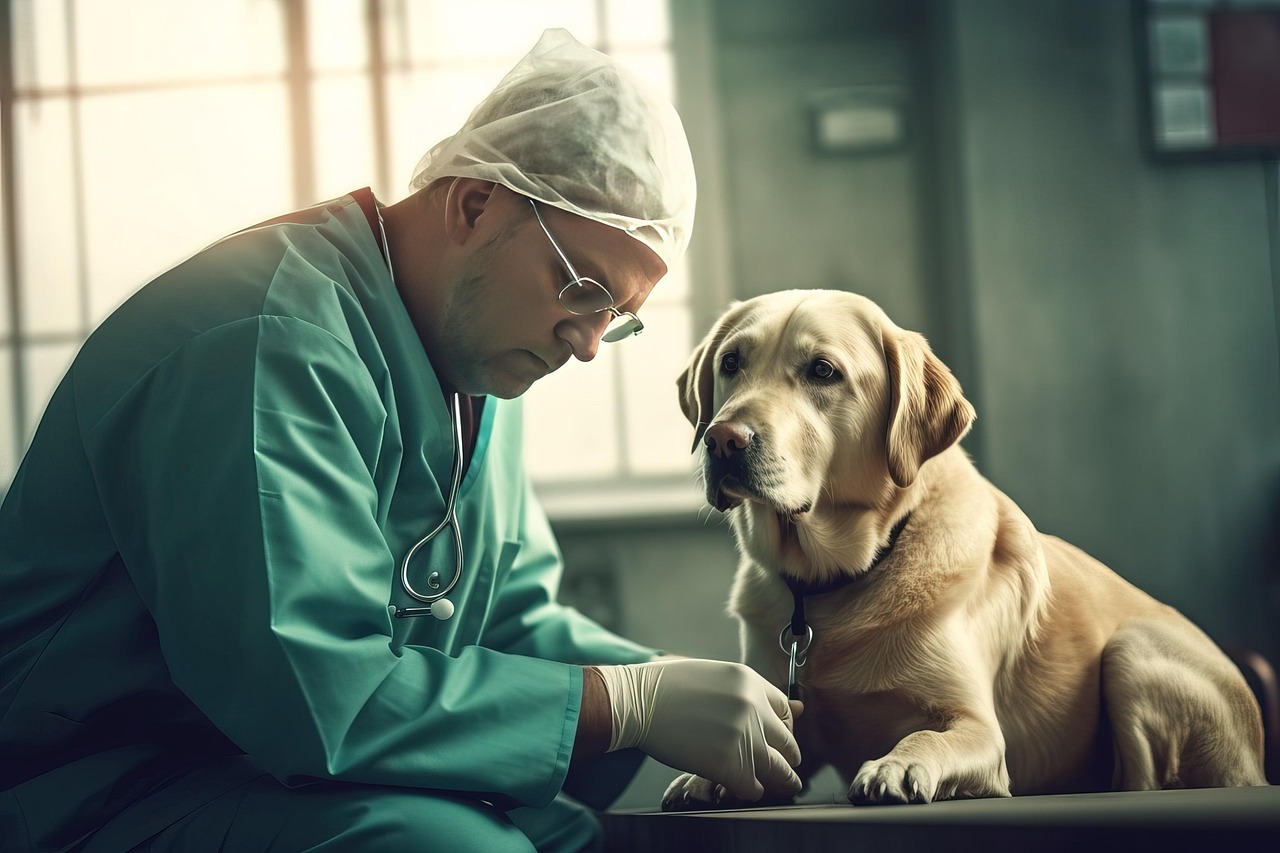

The Science Behind Vaccine Allergies in Dogs: An Overview
Vaccinations are crucial in safeguarding dogs against various diseases, yet some dogs may exhibit adverse reactions. Understanding vaccine reactions and allergies in dogs is important for caretakers. Vaccines comprise antigens that stimulate the immune system, preparing it to fight off specific pathogens. When an injection is administered, the immune system recognizes these antigens as foreign, triggering an immune response. While many dogs tolerate vaccines well, a small percentage may develop allergic reactions. These reactions can vary from mild to severe and may include symptoms such as swelling, itching, or gastrointestinal disturbances. It is essential for pet owners to be vigilant and note any abnormal reactions following vaccination. We will explore the science behind these reactions and discuss how to identify them effectively. A deeper understanding can alleviate concerns related to dog vaccinations and equip pet owners to respond appropriately. Monitoring your dog’s health and behavior post-vaccination is essential. This knowledge contributes to better decision-making for pet health. Thus, keeping your furry friend healthy should be a priority, utilizing appropriate veterinary advice in the process.
Vaccine allergy reactions can be attributed to genetic predispositions, age, and even breed; certain breeds may be more prone to allergic reactions. The reactions can stem from components such as proteins, preservatives, or adjuvants, common in many vaccines. For example, components like ethylmercaptan or gelatin can trigger allergic responses. The first significant sign of an allergic reaction may occur within minutes to hours after vaccination. Immediate reactions often include swelling, intense itching, and hives. Delayed reactions, occurring several hours later, might manifest as fever or lethargy. Additionally, some dogs may develop anaphylaxis, a severe and potentially fatal reaction requiring emergency treatment. Knowing the signs allows pet owners to act swiftly. To minimize risks, it is crucial to have an open discussion with veterinarians about the dog’s vaccination history and any previous reactions. Testing and accurate diagnosis can help identify underlying allergies. Various skin tests and blood tests can be employed for diagnosis. It’s vital to distinguish a true allergy from other vaccine-related side effects, ensuring correct treatment and care for the beloved pet. Awareness and proactive measures can significantly enhance a dog’s health.
Prevention and Management of Vaccine Reactions
Preventing possible adverse reactions begins with selecting the right vaccination schedule for your dog. Vaccination protocols can be adjusted based on individual health history and risk factors. Discussing a tailored vaccination plan with a veterinarian is essential. Each dog’s lifestyle, exposure risk, and previous history should inform these discussions. For dogs with known sensitivities, there may be alternative vaccination methods, such as modified-live vaccines or split vaccines. These options may reduce the risk of reactions. Providing thorough health assessments before vaccinations is crucial. Veterinarians may advise blood tests to check for immunity levels instead of vaccinating unnecessarily. Supervision during vaccinations is recommended to detect any immediate adverse reactions. In severe cases, immediate intervention is essential, potentially involving antihistamines or corticosteroids. Additionally, having emergency contacts and veterinarian information readily available can ease concerns. Puppy vaccinations can be staggered over weeks, allowing time for monitoring immune responses. Educating owners on the timing of booster shots and potential cross-reactivity with other treatments can also help simplify the process. Establishing a supportive environment reduces anxiety associated with vaccinations, benefiting both pets and their owners.
If a dog does develop a vaccine allergy, the veterinarian can guide the proper management of the condition. Diagnosis will often involve discussing the dog’s history and identifying any patterns associated with previous vaccinations. A post-reaction plan can be created based on veterinary advice. This may include alternative vaccines or therapeutic measures to alleviate symptoms if they should arise again. Keeping a record of previous vaccination reactions, including detailed notes on the symptoms, timing, and severity, will aid veterinarians in providing tailored recommendations for future vaccinations. Owners should feel empowered to ask questions and gain clarity on the recommended products and their ingredients. Clear understanding promotes confidence as pet owners navigate potential health challenges. Dog owners may also explore natural remedies or supportive supplements to help strengthen their pet’s immunity alongside vaccination protection. Providing a balanced diet rich in vitamins and nutrients supports overall health and bolsters the immune system. Remaining proactive allows owners to be vigilant about their dog’s wellness journey. Ultimately, open communication between pet owners and veterinarians ensures safety through informed vaccinations.
Timely Response to Vaccine Reactions
Recognizing and responding promptly to vaccine reactions can make a significant difference in a dog’s health and well-being. If any signs of an allergic reaction appear after vaccination, contacting a veterinarian immediately is essential. Early intervention can help mitigate any complications. Signs of an allergic reaction can vary but often include vomiting, diarrhea, swelling, or sudden behavioral changes. Observing your dog’s recovery following any vaccination can provide crucial information. Set aside dedicated observation time to monitor changes over the following days. If any symptoms persist or worsen, follow up with a professional for advice. Having a structured plan in place ensures reassurance during anxious times. In potential anaphylaxis cases, immediate medical attention is crucial—knowing the nearest veterinary emergency center can save a dog’s life. Each dog’s service should involve an individual response plan addressing their unique needs. In terms of ongoing health, keeping vaccination records helps track past reactions and outcomes. Detailed records are integral for your vet to determine future vaccination strategies. Remaining informed can guide pet owners through each vaccination stage.
Prioritizing preventive health care is vital when considering vaccine allergies and reactions. Implementing an overall health care plan ensures that pets are diagnosed accurately and supported throughout their lives. Regular veterinary check-ups and discussions regarding health can provide an opportunity to fine-tune vaccinations based on a dog’s current health status. Some breeds are genetically predisposed to develop allergies, indicating the importance of understanding an individual dog’s lineage. Selective breeding practices can also impact a dog’s overall health, meaning awareness needs to be part of the pet ownership journey. Creating a harmonious environment in which dogs thrive contributes to their general wellness, reducing the vulnerabilities associated with adverse immune responses. Additionally, educating oneself about various vaccines and their ingredients empowers pet owners. Healthy discussions surrounding vaccine efficacy, potential side effects, and new data on vaccine use can enhance the conversation with veterinarians. Information-sharing, along with observing any changes, makes pet owners active participants in their dog’s health. This approach supports informed decisions aimed at enhancing their dog’s quality of life through effective prevention measures.
Conclusion: Supporting a Healthier Future
In conclusion, understanding vaccine reactions and allergies is an integral part of responsible dog ownership. Knowledge enables owners to navigate vaccination schedules with confidence while making informed decisions regarding their dog’s health. In-depth discussions with veterinarians ensure that each dog receives the most appropriate, customized vaccination plan. Additionally, appreciating the signs of allergies and knowing how to respond prepares owners for any eventuality. From monitoring post-vaccine reactions to prioritizing preventive health measures, each step taken contributes to a healthier, more resilient canine companion. Vigilance in addressing health concerns is crucial in maximizing pet welfare. Pet owners should consider alternative vaccination options and supportive management, especially for high-risk individuals. An empowered owner is invaluable in the journey toward a healthier future. Through their understanding, actions, and collaboration with veterinary professionals, pet owners can ensure that their dogs receive the best possible care. This partnership ultimately enhances the entire pet healthcare experience. By fostering a culture of awareness, we can positively influence the well-being of dogs everywhere, ensuring they remain happy, healthy, and protected against diseases.
In summation, having the right knowledge about dog vaccinations and possible reactions arms pet owners with the tools needed for varied challenges. It is essential to foster a proactive mindset while tackling potential hurdles related to vaccine allergies. Ultimately, vigilant observation, combined with open communication with veterinarians, brings success. Wagging tails and bright eyes are testaments to healthy dogs striving for fulfilling lives. This dynamic process continues, and owners remain empowered as they navigate the complexities of pet health. With the right support, all dogs can thrive!