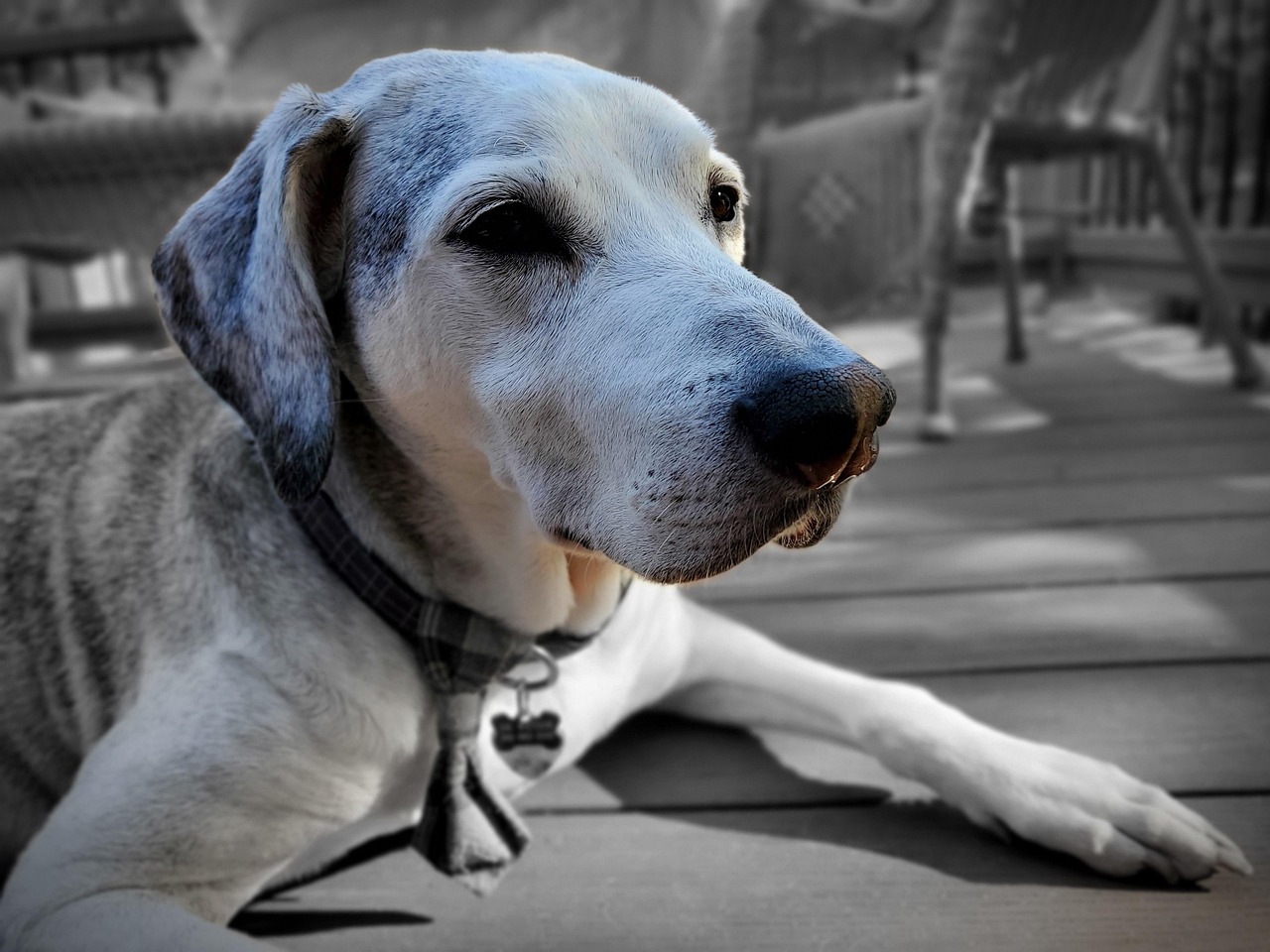

Tips for Exercising Senior Dogs While Traveling
Traveling with a senior dog can indeed present unique challenges, especially when it comes to maintaining their exercise needs. It’s essential to understand that older dogs might have different energy levels, and daily routines should accommodate those differences. Start by planning your itinerary around opportunities for physical activity, such as parks or dog-friendly trails. Always aim for a gradual increase in exercise intensity, adjusting based on your dog’s stamina. Avoid overly strenuous activities, which can lead to discomfort or injury. Using gentle methods for exercise can include leisurely walks, light play sessions, or even some age-appropriate agility exercises. Consider creating a checklist of possible spots to exercise so that you can give your senior the best experience. Also, remember that exercises provide not only physical benefits but also mental stimulation, which is critical for senior dogs. Keeping your dog engaged during travel ensures they remain active and alert, helping to avoid stress. Finally, always consult with your vet before embarking on travel to ensure your senior dog is fit to travel and participate in the planned activities.
One key aspect of traveling with senior dogs is ensuring their hydration needs are met at all times. Older dogs tend to get dehydrated faster, especially in new environments, so it’s crucial that you pay close attention to your dog’s water intake. Always travel with a portable water bowl and sufficient fresh water. This makes it easy to ensure they are drinking enough throughout the day. Rest stops during your travels can also serve as excellent opportunities for hydration. When you stop for breaks, offer your senior dog water regularly. You may also want to consider travel-friendly dog food that has moisture-rich formulas to help keep your senior hydrated. Always be on the lookout for signs of dehydration such as excessive panting or lethargy. Additionally, you can incorporate water play if there are safe opportunities at your destination, like dog-friendly lakes or beaches. Letting your senior dog wade in shallow water can provide a fun way to refresh and exercise simultaneously. Regular hydration helps maintain their overall health, ensuring they remain happy while on the road.
Rest and Recovery
Rest is equally as important as exercise, particularly for senior dogs, when traveling. Just as humans need time to recover, senior dogs require adequate downtime to avoid stress and fatigue. Make sure to include plenty of rest periods in your travel itinerary. This can be achieved by scheduling longer stops during the day and having a comfortable resting space at your accommodation. Crates or dog beds can provide a familiar environment for your dog to relax in. Look for dog-friendly hotels or rentals that allow them to settle in comfortably. Furthermore, it’s crucial to stick to their usual feeding and bathroom schedules as closely as possible. Keeping routines helps minimize anxiety and ensures dogs feel secure. Senior dogs might struggle with changes and can become agitated if their routine is upended drastically. Therefore, a good plan would also include taking short breaks where they can stretch, lie down, and enjoy some quiet. Monitoring their response to rest is key; if they appear sluggish, you may need to adjust activity levels accordingly.
During travel, socialization remains vital for senior dogs as it facilitates mental stimulation, which helps combat cognitive decline. Introduce them to new surroundings gradually, allowing them to take in their environment at their own pace. Crowds or loud noises can be particularly overwhelming for older dogs, so it is wise to observe their comfort level closely. Choose quieter areas for walks and exploration to make the experience pleasant. Additionally, encourage positive interactions with other dogs, helping your senior to feel more secure. If your dog is hesitant around younger or more energetic dogs, consider using a muzzle or a leash as needed for safety. However, prioritize low-key social experiences like meeting calm people or familiar pets. Bringing along familiar toys or treats can facilitate new interactions, providing comfort. Remember to reward good behaviour during social interactions, reinforcing their confidence. Participating in dog-friendly events, like local pups meet-ups or small gatherings, can also work wonders for a dog trying to adapt to new surroundings. This helps keep their spirits up and maintain a happy attitude along the journey.
Essential Gear for Senior Dogs
When preparing for travel with your senior dog, the right equipment can make all the difference. Consider using supportive and comfortable travel gear, such as harnesses that provide better stability for older dogs. Ensure that your dog has a sturdy leash, especially if they need assistance when walking. A first aid kit tailored for dogs can be incredibly beneficial, including items like bandages, antiseptic wipes, and any medications they may need during the trip. Having identification tags on your senior dog is important in case they get lost while exploring unfamiliar locations. Don’t forget the importance of ensuring your dog has a cozy space within the vehicle, such as dog seat covers or cushions designed to provide them comfort during the journey. Buying raised bowls can help them eat and drink more comfortably while traveling by car. Lastly, pack a few favorite toys, as familiar items can soothe any travel anxiety they may experience. Adequate preparation with the right gear supports not only their physical needs but also their emotional wellbeing during traveling.
Food choices during travel require careful consideration for senior dogs, given their unique dietary needs. Look for special senior dog food that promotes digestive health, joint support, and overall vitality. It’s best to bring pre-measured portions of food to prevent any sudden dietary shifts that can upset their stomach. Avoid introducing any new foods during travel since changes can lead to gastrointestinal problems in senior dogs. If you need to stop for meals at dog-friendly establishments, stick with the regular food; select restaurants that offer healthy options for pets or ask if they allow you to bring your dog’s food. Supervised snacking can also keep them well-fed throughout the trip—opt for low-calorie treats that align with their dietary restrictions and offer them in moderation. Include treats that are easy to digest as well as ones that promote dental health. Always be attentive to your dog’s reactions after meals. If there are any signs of discomfort, adjust the diet accordingly. Balanced meals support not just their energy levels, but also their overall health during your travels.
Final Thoughts on Traveling with Senior Dogs
In conclusion, traveling with senior dogs requires thoughtful planning to ensure their comfort and health. Keep their physical limitations in mind while selecting destinations; choose dog-friendly areas that cater to their needs for rest, exercise, and socialization. The success of your trip largely depends on maintaining a flexible schedule that prioritizes their health and minimizes stress levels. Remember to carry essential supplies, keep hydration a priority, and schedule regular breaks to allow for proper rest. By being proactive and alert to your senior dog’s needs, you enhance their travel experience significantly. These trips ought to be rewarding and joyful moments for both you and your pet, creating lasting memories together. Additionally, pay attention to signs of discomfort and adapt as needed; the more responsive you are to their feedback, the happier your journey will be. Finally, cherish the time spent together oh so valuable! With a bit of preparation, traveling is an excellent way for all beings cherished to explore new surroundings, enjoying life’s journey together at any age.
By adopting these practices, you’ll find it’s entirely possible to manage your beloved senior dogs while traveling. Stay attentive and facilitate their interaction with new people and experiences at a comfortable pace. Traveling with your senior dog is an opportunity for shared adventure and bonding time that strengthens your bond. When you take proactive steps and ensure their health and happiness during travel, it fosters trust and reassurance in your senior dog. This ultimately makes the experience much more enjoyable for both you and your pet. With the right preparations, you ensure your senior dog feels loved, supported, and integrated into your travel plans. These guidelines can help tailor your travel adventures to be accommodating, while still providing an enriching experience for every participant. Whatever challenges arise, an open heart combined with well-planned activities will create special moments to cherish throughout life’s journey together. Embrace the opportunity, and watch as your senior dog enjoys the outings just as much as you do. Your love, care, and mindfulness towards their needs will lead to a happy and memorable travel experience.