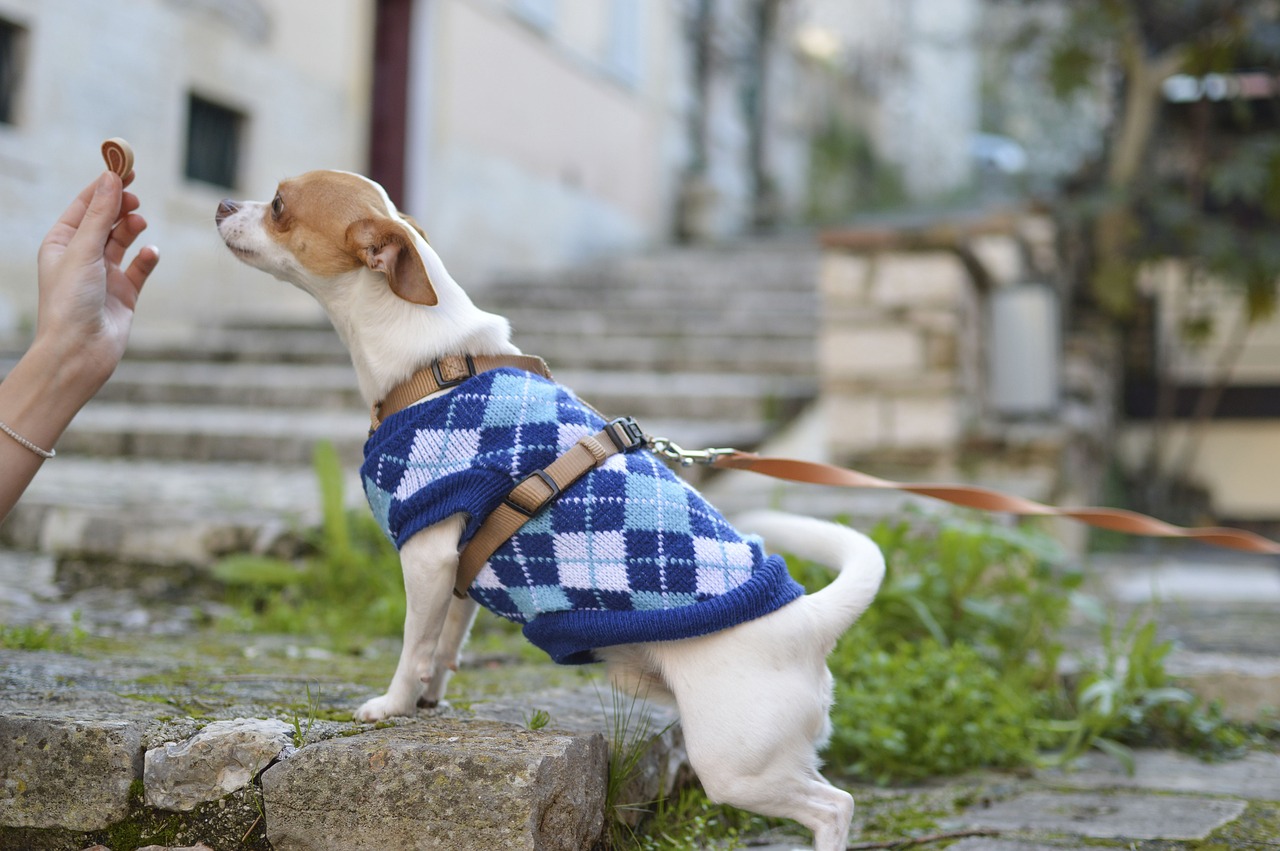

Using Treats Effectively in Leash Training
Leash training your dog is an important skill that fosters better control and safety during walks. One of the most effective methods for leash training is the use of treats. Using treats as a form of positive reinforcement, you can encourage your dog to abide by specific behaviors while on a leash. Start by selecting treats that your dog truly enjoys, as this will enhance the effectiveness of your training. Make sure these treats are small, allowing you to reward your pet frequently without spoiling their appetite. Begin training in a quiet area with minimal distractions, focusing solely on leash dynamics. Always reward your dog immediately after they display the desired behavior, such as walking beside you without pulling. The connection between the action and the treat must be clear for your dog to understand. Be patient, as leash training takes time. Gradually increase the level of distraction as your dog learns to behave on a leash. Consistency is crucial in training, so ensure that all family members use the same command words and methods during leash training sessions. This will reinforce the intended behavior in your dog.
Incorporating treats effectively into leash training goes beyond just rewarding good behavior. It’s essential to also practice timing when rewarding your dog. Establish a cue word or phrase that you will consistently use during training to signal positive behavior. Whenever your dog begins to walk calmly alongside you, use your chosen cue and reward them immediately. This connection helps reinforce what you expect from your dog while leashed. Vary the type of treats given; sometimes, offer high-value treats like small pieces of cheese or meat, while at other times stick to regular kibble or lower-value options. This unpredictability can maintain your dog’s interest throughout the training process. Alternatively, consider using a clicker for added precision in marking the exact moment your dog behaves correctly. The sound of the clicker can effectively communicate to them that a reward is coming. Your demeanor plays a crucial role too; maintain an encouraging and positive attitude. Engaging your dog with enthusiasm when they succeed strengthens their motivation to repeat the behavior. Always remember, leash training is a gradual process that requires persistence and consistency from both you and your furry companion.
Setting Up a Successful Training Environment
Before starting leash training, create a conducive environment that minimizes distractions. Choose a quiet location such as your backyard or a calm park for initial sessions. This allows your dog to focus entirely on you and the task at hand without getting sidetracked by other dogs, people, or noises. Ensure you have all your training supplies ready, including treats, a leash, and possibly clicker. Use a leash that allows you to maintain control without causing strain on your pet. Opt for a harness instead of a collar if your dog tends to pull. Harnesses distribute pressure more evenly across their body, reducing the risk of injury. Keep training sessions short and engaging, ranging from five to ten minutes to prevent your dog from losing interest. Moving at a pace that suits both you and your dog is important for effective learning. Always end training sessions on a positive note, even if progress feels slow. Celebrate little victories and remain patient. Building a solid foundation takes time, but the joy of a well-trained dog makes the effort worthwhile.
As your leash training progresses, begin to introduce short walks that incorporate the skills you’re teaching. Begin by walking a short distance, rewarding your dog along the way for staying close and walking calmly. As they demonstrate improvement, gradually increase the length of your walks. Ensure you continuously use treats as positive reinforcement during these walks, praising them for good leash manners. If your dog begins to pull, stop walking immediately, wait for them to return to your side, and then reward them for the correct behavior. This teaches your dog that pulling does not lead to more freedom or advancement on their walk. Variation in your walking routes can help your dog maintain interest and excitement. Keep training sessions fun, mixing faster-paced walks with slow ones where you focus more on obedience training. This playful approach will keep your dog engaged and prevent them from becoming bored. If they seem to lose focus or become restless, take a break, and try again later. This strategy can help ensure your dog learns to associate leash training positively while still enjoying their outdoor experience.
Dealing with Challenges in Leash Training
During your leash training journey, you’re likely to encounter challenges. Common issues include pulling, distractions, and anxiety. If your dog consistently pulls, it’s crucial to address it promptly to prevent the behavior from becoming entrenched. Instead of yanking on the leash, redirect their attention back to you using treats when they start to pull. Maybe even consider changing directions to grab their curiosity. Use a firm but gentle approach, maintaining patience throughout the process. Distractions can also be a significant hurdle during training. Practice in more stimulating environments only when your dog consistently follows commands in calmer situations. This gradual exposure will help them acclimatize to more challenging conditions. For dogs that are particularly anxious on a leash, starting the training indoors, where they feel safe, may be beneficial. Gradually expose them to the outside world in a controlled manner. If your dog exhibits fear or aggression towards other dogs or people, seek guidance from a professional dog trainer. Consistency and gradual acclimatization will ensure your dog feels comfortable and confident when leashed.
The importance of socialization during leash training cannot be overlooked, as familiarizing your dog with various environments and other dogs is crucial for their development. Introduce your dog to friendly, calm dogs while leashed to demonstrate proper leash behavior. This exposure teaches your dog how to interact positively with other dogs while under control. Consider incorporating socialization sessions into your training routine. Employ treats during these encounters to reinforce favorable behavior, rewarding your dog when they remain calm. Visit dog parks during quiet times or arrange playdates with familiar dogs to create positive experiences. Remember, every new situation can serve as a learning opportunity for them. Another aspect of leash training involves varying the type of surfaces you walk on—grass, concrete, and gravel all feel different underfoot for your dog. Allow them to experience each type of terrain, as it helps them to be better accustomed to various environments they may encounter on walks. Gradually engaging with different sights, smells, and sounds will build their confidence and comfort when on a leash, making future walks more enjoyable for both you and your furry friend.
Maintaining Good Leash Manners
Maintaining the skills learned during leash training is essential for a well-behaved dog as they grow. Continued practice is key, and incorporating leash training into your daily routine helps reinforce those behaviors consistently. Make regular leash training a part of walks by maintaining your dog’s focus on you and rewarding them for good behavior. Vary routes to expose your dog to new challenges while prompting positive leash manners. Always be prepared with treats, allowing you to reward quickly and efficiently whenever they exhibit proper walking behavior. As your dog’s skills improve, phase out treats gradually so that they still understand the expected behaviors. Instead of using treats all the time, begin intermittent use. Transition to verbal praise, pets, or toys as rewards, maintaining their enthusiasm for exercising good leash manners. Encourage family members or friends to join in your leash training sessions to help your dog learn to respond to commands from different people. This variety will reinforce what they’ve learned and keep them alert and engaged during walks. With time, patience, and persistence, you’ll enjoy peaceful and enjoyable outings with your well-trained dog.