
What to Expect During Your First Vet Visit After Adoption
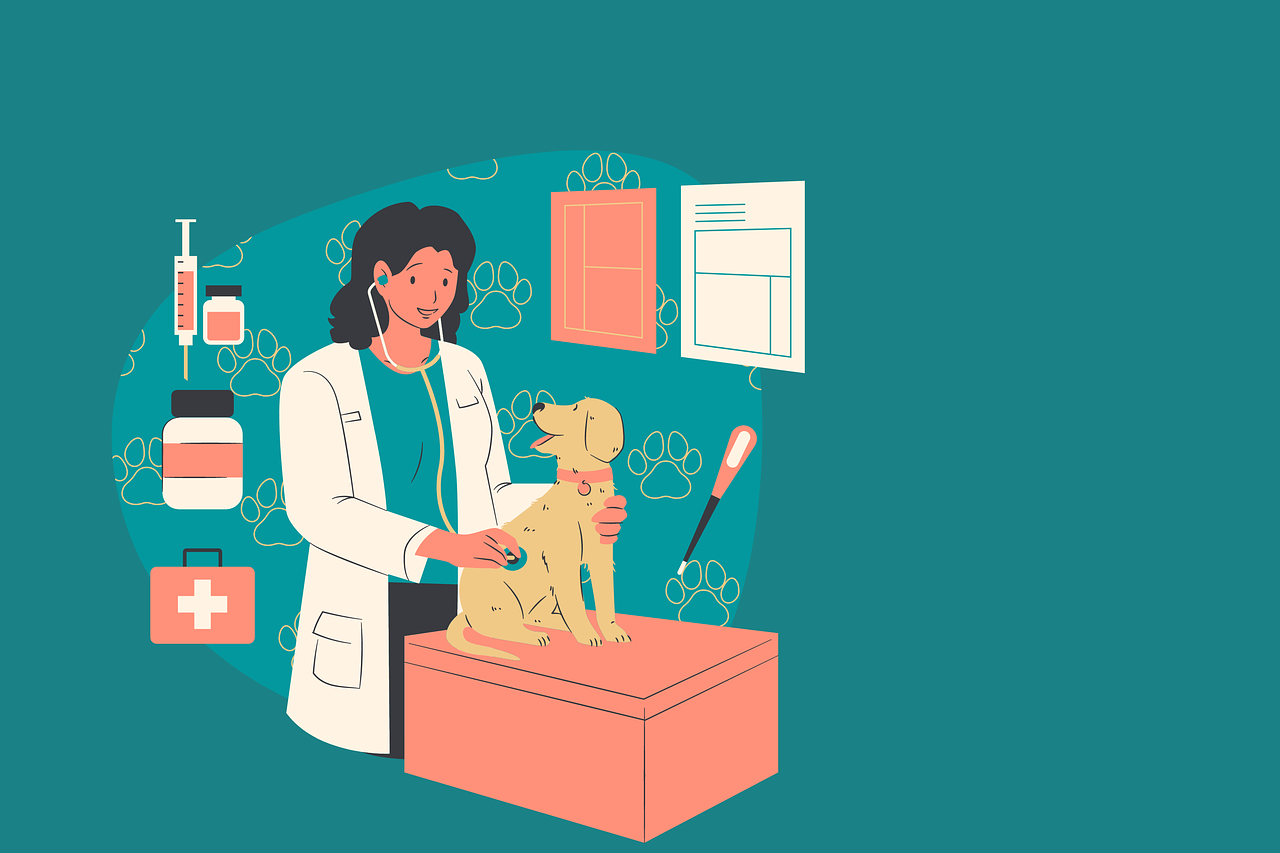
Adopting a dog is an exciting journey filled with love, companionship, and new experiences. One of the first steps after bringing your new furry friend home is scheduling a visit to the veterinarian. This initial vet visit is essential to ensure your dog is healthy and to set the foundation for a long, happy life together. The vet will examine your dog thoroughly, checking their eyes, ears, heart, and body condition. It’s essential to provide the vet with any medical history you received from the shelter or foster home. It’s also the right time to ask questions about vaccinations, food, and training. Make sure your new pet is comfortable and relaxed, as a calm environment will help them feel safe. During the visit, the vet will most likely administer vaccinations and may recommend spaying or neutering your dog, if not already done. Be prepared for discussions about flea control and heartworm prevention. After the exam, the vet can answer all your concerns, allowing you to leave feeling informed and confident. Your dog’s well-being relies on regular veterinary care, so make sure you abide by all suggestions given.
During your first vet visit after adoption, expect a comprehensive evaluation of your dog’s health. The vet’s role is to ensure your pet is healthy and free from underlying issues. They will check vital signs, look for signs of parasites, and evaluate their coat condition. Having prior documentation about your dog’s medical history can be immensely helpful. The vet may want to discuss your dog’s diet and any allergies or sensitivities they may have. It’s wise to ask about the best food options tailored for your dog’s breed and age. Familiarizing your new dog with the vet can also aid in reducing stress during visits. Taking your pet along for well-checks before vaccinations can create positive associations. Moreover, ask about any common issues that might affect specific breeds, as awareness can help in proactive care. The vet can also provide information about training programs, socialization, and behavior issues. Any changes in eating habits or activity levels should be reported. Having reliable vet contacts on hand is vital for any emergencies. This approach will enhance both your and your furry friend’s comfort during subsequent visits and strengthen your bond with them.
Preparing for the Vet Visit
Preparation for your first vet visit will set a positive tone for the appointment. Before heading out, ensure all essential documents, including adoption papers and any medical records, are organized. If your dog was previously cared for, details of their past veterinary visits can prove invaluable. Bring along a favorite toy or blanket to help ease your dog’s anxiety during this unfamiliar experience. You might also consider using a harness instead of a collar for better control while in the vet’s office. This additional comfort can help your dog feel safer during interactions with the new environment and people. Arriving early can also ease any last-minute rushing. Observe your dog’s behavior closely; a calm dog often adapts better during vet appointments. Remember to keep your dog restrained in the waiting room until called in. This prevents any potential conflicts with other pets. Communicating clearly with the vet about any fears or quirks your dog has will facilitate a smoother examination. Expect to spend some time in the waiting room, so bringing a book or magazine can help pass the time while you ensure your dog feels comfortable.
During your vet visit, your dog will go through several essential assessments. One vital aspect is weighing your dog, as weight affects health decisions and dietary recommendations. Next, expect the vet to conduct a thorough physical examination, checking for any skin irritations or abnormalities. Regular checking for fleas and ticks is paramount, especially if your new dog is used to being outdoors. The veterinarian will likely ask about your dog’s activity levels to gauge their overall fitness. This discussion can help identify potential health issues as well. After assessing physical health, the vet might discuss vaccinations, such as rabies, distemper, or parvovirus, and establish a vaccination schedule. Regular vaccines are crucial in preventing disease and ensuring your dog’s longevity. At this time, don’t hesitate to ask about preventative healthcare, including flea control, heartworm medication, and dental care. It’s a good idea to understand when to schedule future appointments for boosters or ongoing treatment. Being proactive about dental care can prevent future complications, so ask about proper cleaning techniques tailored for your dog’s breed and age during this visit.
Questions to Ask Your Veterinarian
The first vet visit is an opportune time to ask your veterinarian questions. Come prepared with a list of concerns or queries you may have regarding your dog’s health, behavior, and lifestyle. Inquire about the appropriate diet for your dog’s age and breed. Set clear dietary expectations and understand any allergies your dog may have; this will ensure their well-being. You should also ask about the ideal exercise regimen to maintain proper weight and health in your dog. Most pets require daily exercise, and a vet can help you develop a personalized routine. Additionally, ask about socialization practices and recommended training courses in your area. Behavioral issues can often be mitigated with the proper training techniques. Discuss dental care and any recommended products or practices that can promote oral health. It’s also wise to inquire about the signs of potential illness and when to call the vet. Creating a solid communication line with your vet can lead to a better understanding of your pet’s needs. Being informed empowers you to take the best care of your newfound companion on an ongoing basis.
As your first vet visit concludes, expect to receive follow-up care instructions. The vet may schedule additional appointments for booster vaccinations or tests based on the findings during the examination. It’s essential to understand the follow-up regimen to keep your dog healthy and happy. A dental care program may be introduced to ensure daily oral health. Regular check-ups allow instances of health issues to be caught early, so maintaining a schedule is critical. If you’ve been advised on dietary changes, follow these recommendations closely to ensure a smooth transition. Ask about any specific products recommended for your dog, including treats, toys, and grooming supplies. Be sure to ask how often and when you should schedule your next vet appointment. The relationship with your veterinary clinic should be strong, nurturing trust in your dog’s health journey. Communicating regularly with your vet can also offer peace of mind as new challenges arise. Remember to keep all emergency contact information handy and stay vigilant for any behavioral changes in your dog. This proactive approach will ensure a long and happy life together.
Conclusion: Building a Healthy Routine
Building a solid health routine with your new dog is crucial for a long-lasting relationship. Regular veterinary visits are key in establishing a baseline of health, allowing any issues to be addressed promptly. Be steadfast in keeping vaccinations up to date and keeping a record of all vet visits and treatments your dog receives. Nutrition is a vital component of your dog’s well-being, so invest time in discussing various options with your vet. Adjust your dog’s diet according to their age, weight, and health needs, following your vet’s guidance. Regular exercise must be a part of your dog’s daily life to maintain energy levels and keep them mentally stimulated. Invest in toys and activities that promote physical and mental engagement, ensuring a balanced lifestyle. Training sessions can enhance communication between you and your dog while also addressing any behavioral concerns. Remember, the journey of pet ownership is filled with learning moments; use these to build an even stronger bond. Establish a routine that includes vet visits, exercise, and training sessions for a fulfilling life together. Proper care will ensure that your new furry friend thrives in their forever home.
Dog Adoption FAQ page providing necessary information and addressing common concerns regarding the adopted pet’s health and well-being.