
When to Seek Immediate Veterinary Care for Snake Bites and Insect Stings in Dogs
Recognizing the signs of snake bites or insect stings in dogs is crucial. Dogs can encounter venomous snakes or suffer from insect bites during outdoor activities. Some common symptoms include swelling, pain, or redness at the bite site. Additionally, your dog may exhibit signs like excessive drooling, difficulty breathing, or lethargy. If you suspect your dog has been bitten by a snake or stung by an insect, immediate veterinary care is essential. This is to prevent severe complications that could threaten their life. Time is of the essence when it comes to treating venomous bites. If you notice your pet showing distress or unusual behavior, don’t hesitate to act. Remember to keep your dog as calm as possible during transportation to the vet. If you can, identify the snake or insect responsible for the incident, as this may assist the veterinarian in providing appropriate treatment. This includes knowing whether the encounter was with a venomous snake or a harmless one. Remember, timely intervention could mean the difference between life and death for your beloved pet.
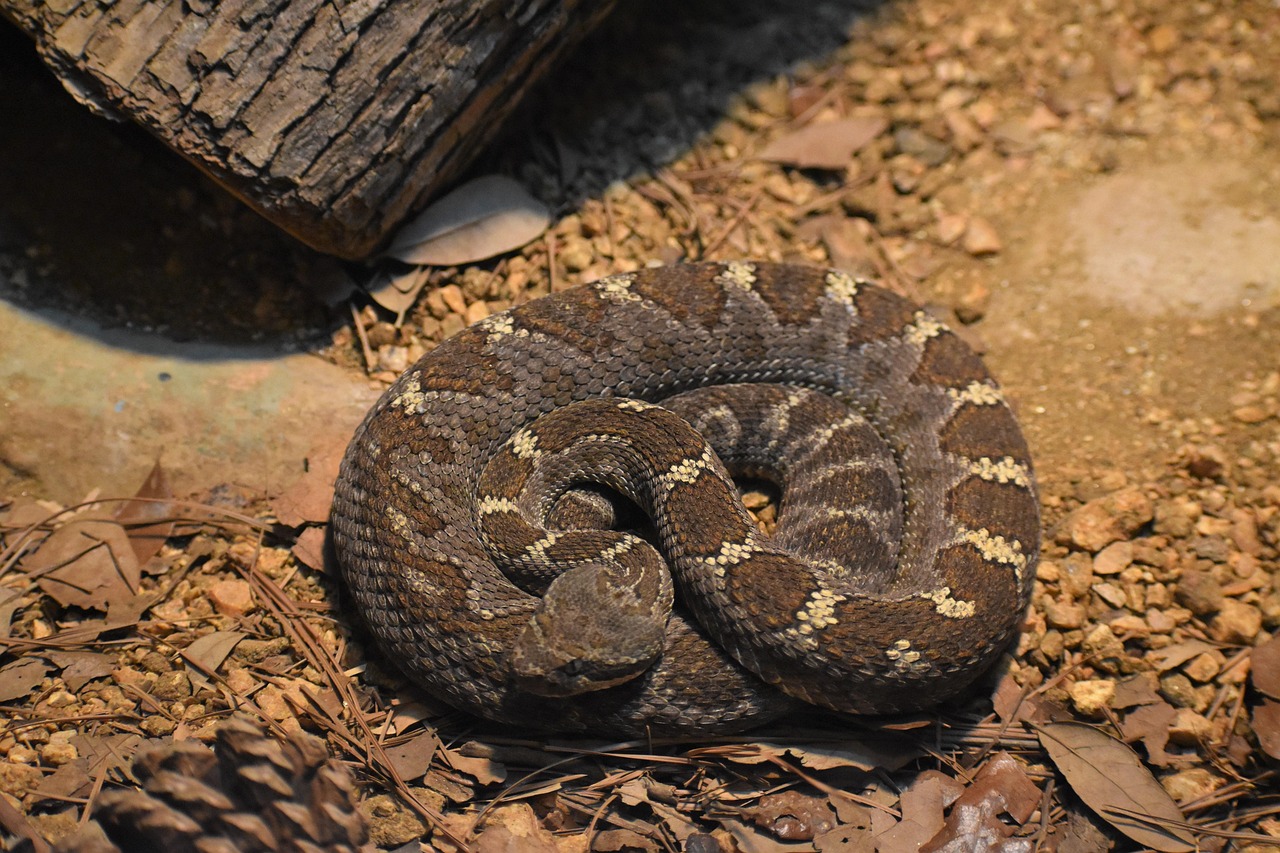
Understanding the types of snakes that could pose a threat to your dog is essential. Various snake species are known to inhabit regions frequently visited by pet owners. Some of the most dangerous types include rattlesnakes, copperheads, and cottonmouths. Venomous snakes can deliver a bite that causes severe pain and potentially fatal reactions. Consequently, keeping your dog on a leash during walks in these areas is crucial. Moreover, familiarizing yourself with the symptoms of a snake bite is necessary. Dogs bitten by snakes may not always show immediate signs. Often, swollen body parts may appear, and your dog may exhibit behavioral changes due to discomfort. Insect stings should also not be overlooked. Be wary of aggressive insects like wasps, bees, or certain ants. Following a sting, your dog may itch, lick the area excessively, or exhibit swelling around the sting site. Don’t forget to monitor any allergic reactions. If too much swelling occurs or if your dog struggles to breathe, take action immediately. Always prioritize your dog’s safety, especially in environments where snakes or stinging insects are present.
Identifying the site location after a snake bite is necessary for evaluating the situation. The location, coupled with your dog’s symptoms, can determine the urgency of your response. If your dog was bitten on a limb, note any swelling that might indicate how fast the venom is spreading. For facial bites, keep a close watch as these can result in significant problems, particularly in breathing. Venturing outdoors means exposing your dog to a number of potential dangers. According to recent studies, dogs are more often bitten during warmer months when snakes become active. Being vigilant while walking your dog can help in preventing incidents like bites. Always pay attention to your dog’s behavior. If they seem interested in areas where they should not go, it may indicate a potential danger. Furthermore, inspecting your yard regularly can help you identify potential snake habitats. Remember to avoid tall grass, wooden debris, or wild shrubs, as these areas create hiding spaces for snakes. Using chemicals or natural deterrents can also minimize risks. Make your dog’s safety a priority whenever you venture outdoors together.
Immediate Actions After a Snake Bite or Insect Sting
After a snake bite or insect sting, assessing the severity of your dog’s condition is vital for proper treatment. If you notice swelling or changing color at the bite or sting site, take action right away. Ensure the area remains still and calm to prevent the spread of venom in the case of a snake bite. However, never attempt to suck out the venom. Instead, apply a cool compress and take your dog to the veterinarian. Regarding insect stings, remove the stinger if possible using a credit card or your fingernail. This can help minimize further venom injection. Apply a cold compress or ice pack to help reduce swelling. Monitor for signs of anaphylaxis, such as difficulty breathing or excessive swelling. Your dog may also require treatment for pain or inflammation. Depending on their symptoms, the vet may prescribe medications or an epinephrine injection to counteract severe allergic reactions. Additionally, your veterinarian will recommend follow-up care to manage aftereffects from the incident and ensure recovery. Always stay calm, as your dog can sense anxiety.
After treating a snake bite or insect sting, follow your veterinarian’s instructions carefully to facilitate recovery. Often, your vet may recommend monitoring your dog closely for several days for any developing symptoms or side effects. Paying attention to appetite, energy levels, and signs of lingering pain is essential. If your dog’s condition worsens, you must communicate with your veterinarian immediately. Proper care reduces complications and informs your vet of any required adjustments to the treatment plan. Additionally, keeping a diary to record your pet’s symptoms can help identify patterns. Such observations may reveal underlying issues that need attention. Consider administering prescribed medications as directed, ensuring your dog is not exposed to allergens during recovery. In the case of severe allergic reactions, having an emergency kit ready can be lifesaving. Consult your veterinarian regarding how to assemble the kit. This kit may include medications or items that assist with managing allergic reactions. Lastly, once your dog has fully recovered, assess their environment. Making preventive changes can ensure your dog remains safe while enjoying outdoor adventures.
Preventing Snake Bites and Insect Stings
Preventing snake bites and insect stings is essential for pet owners who want to keep their dogs safe. Ensuring your yard is well maintained can reduce potential habitats for snakes. Keep grass short and clear any debris where snakes can hide. Install snake fencing around the perimeter of your yard to create a barrier. Educating yourself about local snake species and their habitats can also be beneficial. Wear protective footwear and keep your dog leashed when walking in areas known for snake activity, especially in spring or summer. Avoid walking at dusk or dawn when snakes are more active. During hikes or nature walks, stick to clear, defined paths. For insect protection, using a pet-safe insect repellent may prevent bites. Regularly check your dog for signs of irritation after they’ve been outside, addressing itching or swelling immediately. Also, avoid leaving food outside that can attract bees or wasps, as this increases the risk of stings. Familiarize your dog with commands that signal them to stay away from curious areas or creatures. Preventive measures significantly reduce the likelihood of dangerous encounters.
In conclusion, being well-informed about snake bites and insect stings is key to safeguarding your dog’s well-being. Immediate veterinary attention can save your dog’s life in serious circumstances. Recognizing the signs and acting quickly is vital, as many creatures deliver venom that can affect your pet negatively. It’s equally important to understand the different types of snakes and stings that may exist in your region. Taking steps to prevent encounters through habitat management, behavioral training, and vet-approved products can effectively minimize risks. Always be prepared for emergencies by having essential care products readily available. Following your veterinarian’s guidance will provide your dog with the best chance of a swift recovery if issues arise during outdoor activities. Closing, educating yourself and others on snake safety, and appropriate first aid for insect stings will empower you as a responsible pet owner. Consider sharing this knowledge with fellow dog lovers to enhance community awareness. Building a safer environment ensures your dog can explore and enjoy outdoor activities without fear of danger, resulting in happier and healthier pets.
Images of dogs outdoors can be used to complement the discussion of pet safety and first aid. Ensure you use high-quality visuals that highlight the bond between dogs and their owners. This emphasizes the joy of outdoor activities while reminding readers about keeping safety front of mind. You could use images depicting dogs on leashes in safe environments or veterinary care settings. This visual approach can reinforce the importance of vigilance when taking pets outdoors. Additionally, pairing informative illustrations of common snake species and insects can evoke interest. Such visuals provide a reference for readers to learn and recognize potential dangers. Engaging content not only educates but also encourages responsible pet ownership. Finally, remember that photos evoke feelings, making it likely that your message will resonate better with your audience. Choosing the right visuals can increase your article’s shareability and effectiveness. Aim for relevance to the blog’s content and your audience. Using proper images helps foster engagement and understanding regarding dog safety, ultimately enhancing the reading experience.