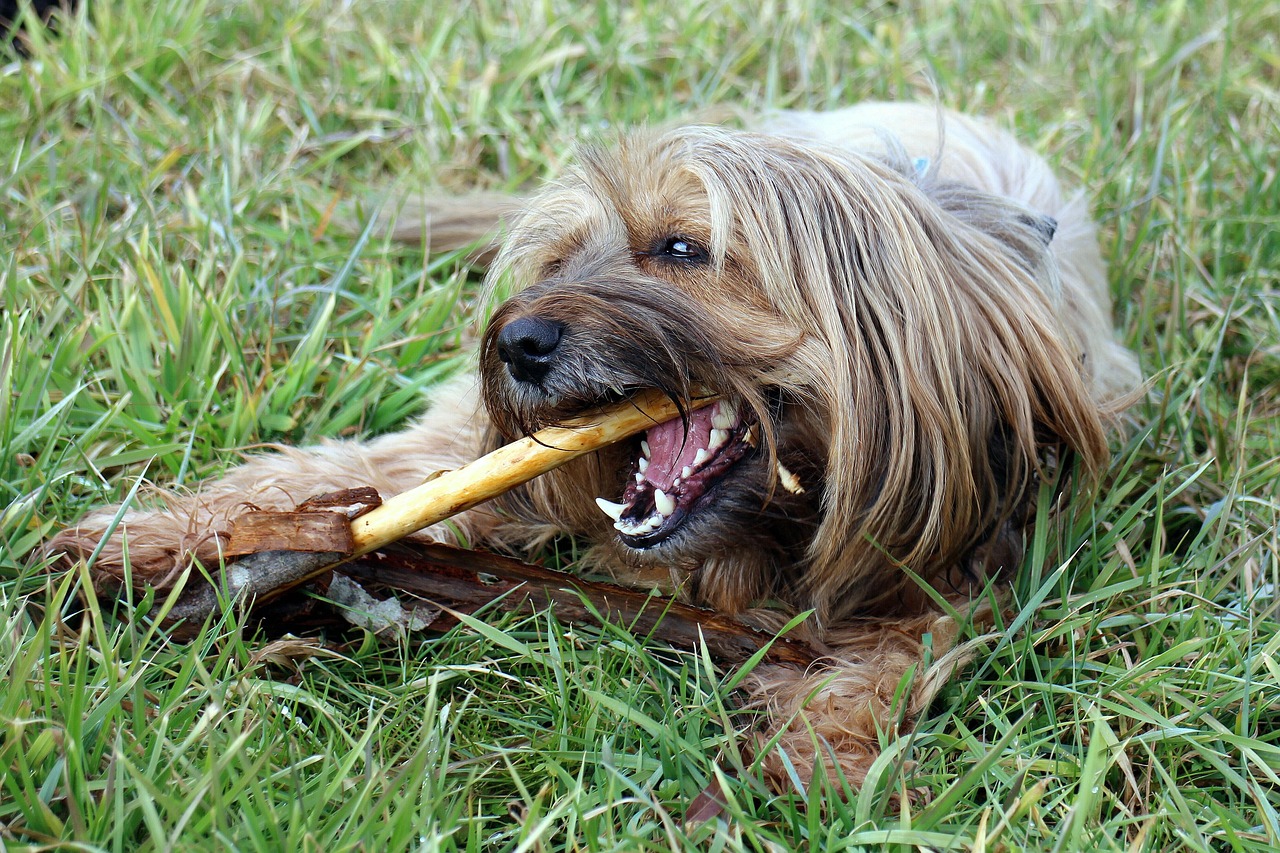

Brushing Techniques to Prevent Plaque and Tartar in Dogs
Maintaining your dog’s dental health is crucial for their overall wellbeing. Plaque and tartar buildup can lead to serious dental problems, including gum disease and tooth loss. To prevent these issues, you should establish a regular brushing routine. Choosing the right tools is vital; a soft-bristled toothbrush specifically designed for dogs can be very beneficial. Additionally, always select toothpaste formulated for pets, as human toothpaste can be harmful. Gradually introduce your dog to the brushing process, allowing them to get accustomed to the taste of the toothpaste and the feel of the brush. Start with gentle strokes along the gum line, focusing on areas that are more prone to plaque buildup. Brushing should be a positive experience, so offer treats or praise after each session. Remember to brush your dog’s teeth at least two to three times a week for optimal results. You can also incorporate dental chews as an additional measure to help control plaque and tartar. These chews not only freshen breath but also help clean teeth while your dog enjoys them. This combination will make dental care easier and more effective.
Understanding Plaque and Tartar Formation
Plaque is a sticky film of bacteria that forms on your dog’s teeth, which can harden into tartar if not removed. Tartar can lead to gum inflammation, making it uncomfortable for your pet and affecting their eating habits. Understanding the formation process is essential for controlling it. Bacteria present in your dog’s mouth mix with food particles and saliva, forming plaque. If plaque remains undisturbed for more than 24 hours, it begins to harden and turn into tartar, which is much harder to remove. Preventative care is key, as once tartar forms, professional dental cleaning may be required. To counter this, offer dry kibble, which can help in reducing plaque accumulation. Regularly including dental treats formulated with enzymes can also assist in preventing plaque buildup. Pay attention to your dog’s dietary habits, avoiding sugary treats that can worsen plaque formation. Regular dental check-ups will also aid in preventing further complications, as veterinary dentists have the tools needed to clean your dog’s teeth thoroughly. Additionally, pay close attention to any signs of gum disease, such as swelling or bad breath, which may indicate underlying dental problems that require immediate attention.
When brushing your dog’s teeth, it is essential to keep the experience enjoyable and stress-free. Start by letting your dog sniff and taste the toothpaste; this can help them associate brushing with a positive experience. Gradually introduce the toothbrush, allowing your pet to become familiar with it. Begin brushing gently, focusing on one side of the mouth first. Pay particular attention to the back teeth, as these areas are more likely to accumulate plaque and tartar due to their position. Holding your dog’s mouth gently but firmly can help you control the brushing process better. Use a circular motion to clean the teeth and ensure you reach all areas effectively. Brushing should take about two to three minutes to ensure thorough cleaning without overwhelming your pet. After each session, reward your dog with praise or a treat to reinforce good behavior. Over time, try to increase the duration and frequency of the brushing sessions to improve familiarity. Consistency is crucial, as maintaining a routine will help keep your dog’s teeth healthy and will minimize plaque and tartar development in the long run.
Signs You Should Brush More Often
As a dog owner, being aware of the signs that your pet’s dental hygiene requires more attention is vital. If your dog exhibits bad breath, swollen gums, or loose teeth, these could be indicators that plaque and tartar have taken hold. Regular brushing can prevent these signs from developing into more severe dental issues. Additionally, if you notice your pet resisting or showing discomfort while chewing, it might be due to dental pain, suggesting a need for more frequent brushing sessions. If your dog’s teeth appear yellow or brown rather than white, this is a clear indication of tartar buildup. Early intervention is crucial; regular brushing can help avoid expensive dental procedures later. Also, pay close attention to changes in your dog’s eating habits. If they suddenly become picky or refuse to eat hard food, it could mean they are experiencing oral pain. Furthermore, consider having a professional teeth cleaning done if you notice significant plaque accumulation. Early detection and consistent brushing can save your dog from pain and ensure a healthier, happier life.
Incorporating additional dental care products into your dog’s routine can greatly enhance plaque and tartar management. Consider using dental wipes or sprays that are designed to help reduce plaque buildup. These products can be beneficial for pets that may not tolerate brushing well. Dental water additives are another excellent option that can be added to your dog’s water to promote oral health. Many of these additives contain ingredients that help fight bacteria and deep clean your dog’s teeth. Additionally, selecting the right toys can also make a difference. Toys designed to clean teeth while being chewed can help manage plaque during playtime. Opt for rubber toys that have nubs and textures to help scrub your dog’s teeth while they chew. Rotating various dental chews can keep your dog interested and make oral care fun. Always monitor your dog during these activities to ensure they are safe. It’s essential to check the ingredients of any dental product to ensure they are safe for your dog. Implement these products into their routine consistently for optimal results, alongside regular brushing, for a complete oral care regimen.
Involving Your Vet in Dental Care
Regular veterinary visits are key to maintaining your dog’s dental health, as they can provide insights and recommendations tailored to your dog’s specific needs. Veterinarians can perform professional cleanings that remove stubborn tartar that regular brushing may not address. Seeking dental advice from a professional is essential, especially if you have any concerns about your dog’s oral health. During these visits, your vet can also check for signs of periodontal disease or other underlying issues that may affect your pet’s teeth and gums. If your dog has special dental needs, your veterinarian can recommend specific dental care products suited for those needs. They can also teach you the best brushing techniques suited to your dog’s temperament and size. Having regular dental check-ups helps establish a preventive care plan that can prevent future complications. Keeping a record of your dog’s dental health over time can assist in tracking any changes that may need attention. Involving your veterinarian ensures that your pet receives the best possible care and allows you to maintain a proactive approach to your dog’s dental hygiene.
Ultimately, supporting your dog’s dental health requires a commitment to consistent care and attention. Adopting a proactive approach by brushing regularly, monitoring for signs of dental issues, and maintaining regular veterinary visits will contribute to your dog’s overall wellbeing. Remember that dental health affects more than just your pet’s mouth; it can influence their heart and kidneys through bacteria in the bloodstream. Therefore, it must be a priority in your pet care routine. Over time, as you establish a consistent brushing schedule and combine it with regular dental check-ups, your dog’s risk of developing plaque and tartar-related health issues will diminish significantly. Provide a variety of dental care products to supplement brushing and keep your dog engaged in their oral hygiene routine. Every dog is unique, and their needs may vary, so personalizing your approach to dental care will be vital for success. Celebrating small victories, such as a successfully completed brushing session, can create a positive association with oral hygiene. By taking these steps, you will ensure your dog enjoys better oral health and a happier, healthier life.