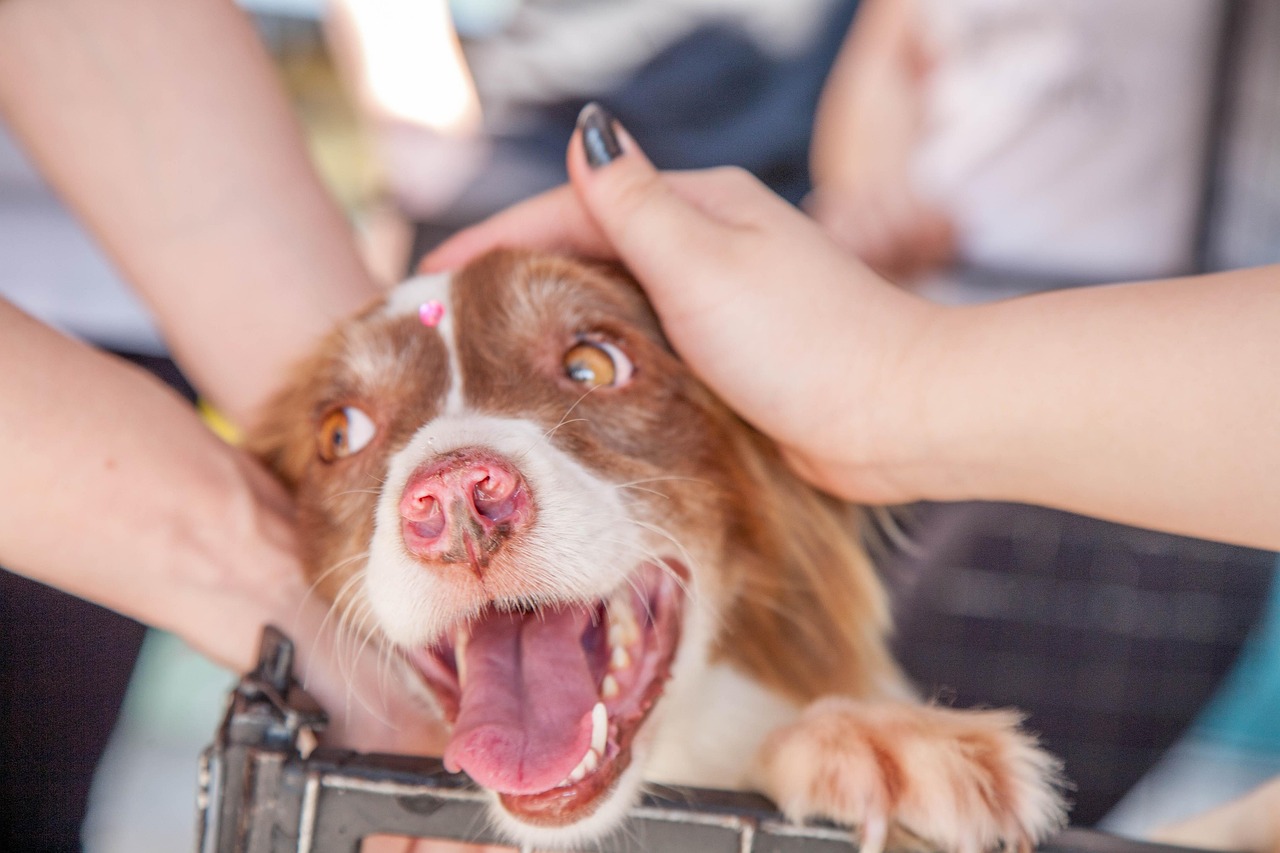

Community Involvement and Its Effect on Dog Adoption Rates
Community involvement plays a vital role in enhancing dog adoption rates by fostering connections between potential adopters and the animals in need of homes. Local organizations, shelters, and volunteers collaborate to create events aimed at raising awareness about the benefits of dog adoption. When communities come together, they not only promote these events but also encourage more people to adopt rather than shop for pets. Social media campaigns and outreach programs inform residents about the available dogs, creating a pool of interested adopters. Participation from local businesses amplifies these efforts through sponsorship or hosting adoption days, providing visibility and resources. Engaging the community in initiatives that support dog welfare directly correlates with increased adoptions by building trust and excitement. Success stories shared through various mediums highlight the joys of adopting a dog, compelling individuals to consider adoption as a viable and fulfilling option. Local involvement nurtures a supportive environment where dogs are seen as loving companions rather than mere commodities. As communities unite to support this cause, the impact on adoption rates can become significant, effectively reducing the number of homeless animals in shelters.
To understand the tangible impact of community involvement, one can look at various successful adoption campaigns that have unfolded across the nation. For instance, many communities have benefited from organizing events like “Doggie Adoption Days” or “Paws at the Park,” where several shelters come together to showcase adoptable pets. These events serve as a focal point, attracting families and individuals looking to add a furry friend to their lives. Not only do these gatherings create an opportunity for face-to-face interactions, but they also bring the community together to foster a culture of compassion for animals in need. These events have also utilized local businesses to sponsor, providing much-needed financial support and resources in exchange for visibility. By making adoption fun and accessible, these campaigns change the public perception of shelter dogs, painting them as lovable companions rather than being viewed solely as abandoned animals. Engaging the community in these activities helps to shift attitudes and encourages adoption rather than purchasing pets from breeders or pet stores. As a result, such campaigns significantly contribute to stabilizing and sometimes increasing dog adoption rates within the participating communities.
The statistics related to dog adoption reveal interesting trends when community involvement is at play. Research shows that communities with high levels of volunteerism and local outreach programs often report significantly higher adoption rates than those lacking active participation. For instance, cities that frequently host community events or workshops related to animal welfare tend to have a more informed populace. This awareness leads to increased likelihood of considering adoption, as well as a greater understanding of responsible pet ownership. Grassroots movements, founded on personal experiences and passionate advocacy, nurture a supportive environment where people are encouraged to adopt. Efforts designed to educate the public about the challenges faced by stray and abandoned dogs lead to heightened empathy and motivate individuals to take action. Utilizing social media platforms to share success stories drastically impacts community attitudes towards adoption. By capturing heartwarming narratives through photographs and videos, advocates can effectively connect with potential adopters, showcasing the joy these dogs can bring into a home. The connection fostered through storytelling can encourage many individuals to adopt such dogs, effectively increasing overall dog adoption rates.
Building Stronger Relationships with Local Shelters
Community involvement often creates opportunities to build stronger relationships between individuals and local shelters, enhancing volunteer efforts and drive toward dog adoption. Volunteers become integral to these relationships, contributing their time and resources to help care for the dogs waiting for homes. Shelters rely heavily on these passionate advocates to spread the word about available dogs, promote adoption events, and foster a welcoming environment. Furthermore, the interaction between volunteers and the dogs provides them with the socialization required for successful adoptions, making them more prepared for family life. Many volunteers develop deep emotional connections with the dogs they care for, which often helps them become ambassadors for adoption, passionately sharing individual stories about the animals. When individuals experience the joy of caring for an adoptable animal, they are more inclined to share these experiences with their social circles, amplifying the message of the importance of dog adoption. This personal approach can resonate with potential adopters, creating a bond that encourages engagement and commitment to adopting dogs that truly need a home.
Moreover, involving the community encourages partnerships with local businesses that can provide resources, sponsorships, and promotional efforts to support dog adoption initiatives. Pet supply stores, grooming salons, and even veterinary clinics can band together with shelters to create awareness campaigns and offer discounts to adopters. By working collaboratively, these partnerships enhance visibility and outreach, helping shelters reach a broader audience. Local community centers can also serve as venues for educational programs on dog care, responsible pet ownership, and the importance of adopting over buying. These gatherings allow experts and shelter representatives to share information with potential adopters, alleviating concerns and answering questions about the benefits of adopting. Hosting informational sessions can help demystify the adoption process, making it easier for families to take that final step. By fostering a network where all stakeholders work together, the entire community can enjoy the benefits of increased dog adoption rates while also cultivating a culture of compassion towards animals. Success stems from united efforts, and community partnerships can drive meaningful change in adoption metrics.
Additionally, leveraging technology and social media platforms amplifies the impact of community involvement on dog adoption. With the rise of digital communication, shelters are enhancing their outreach by sharing profiles and stories of adoptable pets online. Creating engaging content that resonates emotionally with potential adopters attracts interest and encourages sharing, expanding the reach exponentially. Various social media campaigns featuring hashtags and challenges can spur involvement, motivating families to consider adoption and share their decisions with their networks. Infographics highlighting adoption statistics and success stories can be shared widely to raise awareness and inspire others to participate. Furthermore, networking through online platforms allows shelters to collaborate on virtual events that reach audiences beyond geographical limitations. Interactive webinars and virtual meet-and-greet sessions with adoptable dogs can create excitement, stimulating interest in adoption. The combination of community involvement and technological engagement helps break down barriers for potential adopters, thereby increasing the likelihood of finding a forever home for dogs in need. This synergy promotes a collective effort towards improving dog adoption rates across various communities.
The sustained impact of community involvement on dog adoption rates cannot be understated. As communities increasingly embrace programs that support animal welfare and showcase the joy of adopting, the rates of homeless dogs decrease. Creating a culture that values and prioritizes the adoption of pets helps set a precedence for future generations, emphasizing compassion and responsibility. Many individuals involved in adopting dogs often become advocates themselves, thus fostering a continual cycle of responsible pet ownership. As stories of successful adoptions circulate within communities, more people are encouraged to consider adoption as their first option when looking for a pet. This transformative journey not only changes the narratives surrounding homeless animals but also strengthens community bonds as individuals unite for a shared cause. The result is a more compassionate society that recognizes the intrinsic value of every dog in need of a loving home. The positive effects of these efforts can lead to a significant decrease in stray populations and higher welfare standards. Investing in community involvement today will ultimately develop a more humane approach toward dog adoption tomorrow.