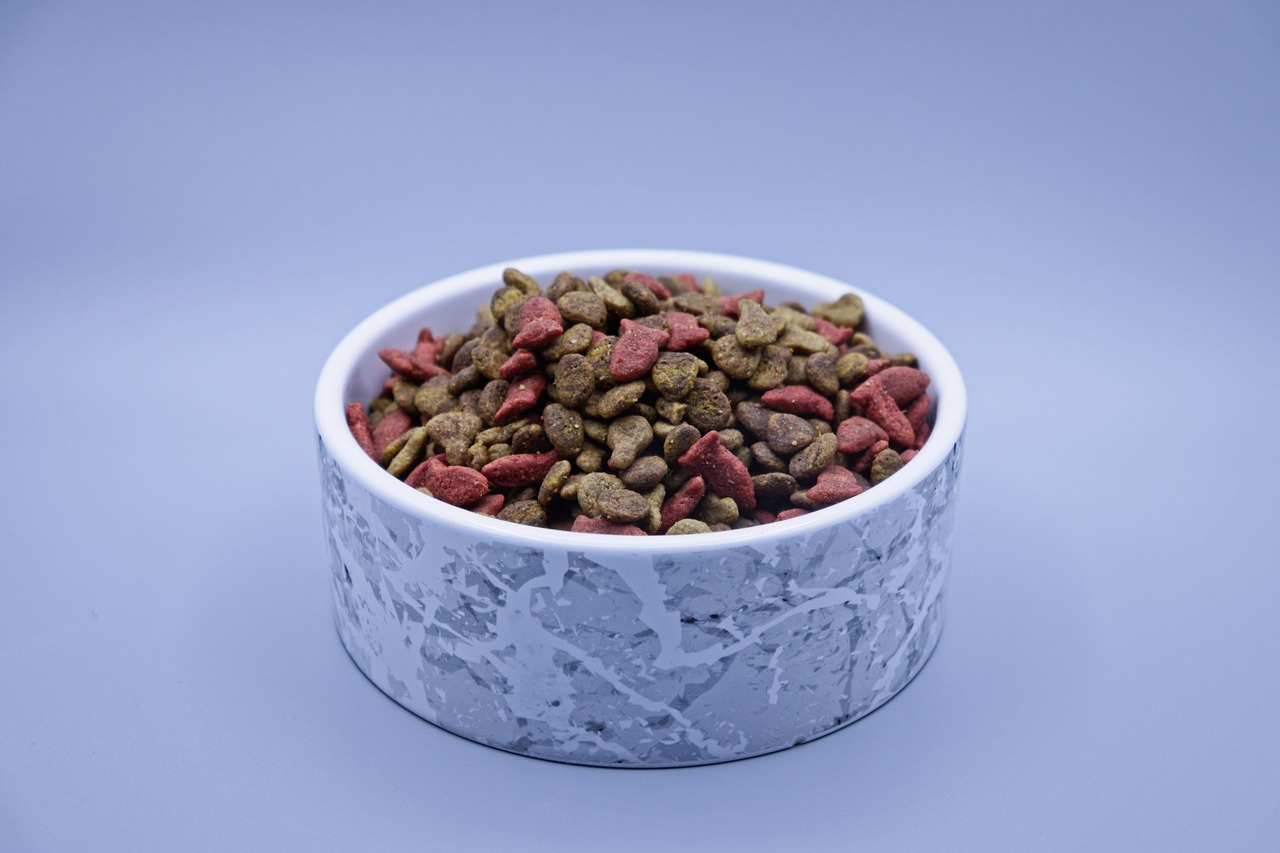

Diet and Nutrition Tips for Cats Recovering from Toxoplasmosis
Recovery from feline toxoplasmosis requires a well-planned diet to support your cat’s health. Begin by consulting your veterinarian to create a tailored feeding plan based on your cat’s specific needs, especially if they have experienced weight loss or other health complications. Incorporating high-quality proteins is essential since they promote healing and energy levels. Consider options like cooked chicken, turkey, or specialized cat food that is rich in proteins to help your pet recover effectively. Avoid feeding uncooked meats, as these may carry additional risks during recovery. Hydration is equally important; ensure fresh, clean water is accessible at all times. Cats recovering from infections often need extra fluids, so consider adding wet food to their diet to increase moisture intake. Monitor your cat’s appetite and behavior closely, adjusting food types as necessary. Gradually reintroducing their normal diet can help ease the transition. Watch for any adverse reactions as you adjust their food. Be patient during this recovery period, as it may take time for your cat to feel completely healthy again.
In addition to protein-rich meals, including essential vitamins and minerals can be greatly beneficial. Omega-3 fatty acids are known to support immune function, improving a cat’s overall well-being. Consider incorporating fish oil supplements into their diet, but always discuss this with a vet beforehand. Foods containing antioxidants, such as blueberries and carrots, can be a great addition. They can help reduce inflammation and aid in the recovery process. However, ensure any fruits or vegetables you include are safe for feline consumption. The right balance of nutrients can accelerate healing and help prevent future health issues. Additionally, consider choosing a high-quality commercial diet designed specifically for cats recovering from illness. These diets often contain balanced proportions of nutrients to assist in recovery. Read labels carefully to identify preferred ingredients, and observe how your cat reacts to these food choices over time. Regularly consult your veterinarian during this process to adapt the diet as needed based on responses. Maintaining overall health and wellness during and after recovery is crucial to preventing complications.
Feeding Schedule and Portion Control
A structured feeding schedule can significantly affect your cat’s recovery process. Regular meal times help establish a routine, offering stability in their lives during recovery from illness. Instead of free-feeding, which can lead to overeating, aim to provide smaller, more frequent meals throughout the day. This strategy not only makes it easier to monitor their food intake but also helps in preventing digestive issues, which may arise from overindulging. Be mindful of portion sizes; if unsure, consult with your vet about the appropriate calorie intake based on your cat’s weight and health status. Gradually increase portion sizes as your cat regains their appetite following their illness. Monitor their weight regularly to ensure they are heading toward a healthy recovery. If you notice any significant changes in their weight, immediately reach out to your veterinarian for advice. Being attentive to portion control and meal frequency supports digestive health and maintains your cat’s energy levels during recovery. The right feeding strategies can foster better health and a smoother transition back to normalcy.
Consider incorporating some homemade meals tailored specifically for your cat’s needs. Homemade meals allow you to control ingredients, ensuring high-quality nutrition without any harmful additives. Start with easy recipes consisting of cooked meats, vegetables, and even grains like rice or oatmeal, all safe for feline consumption. However, it’s crucial to ensure these meals are nutritionally balanced; consult your vet before making significant changes to your cat’s diet. Cats are obligate carnivores, meaning they require animal-based nutrients to thrive, so a majority of their diet should still consist of meats. As you prepare these meals, be mindful of any allergies or sensitivities. Introducing new food slowly is vital to gauge how well your cat adjusts. Track any changes in energy levels, weight, or overall health. Homemade diets can be economical and offer your cat delicious selections that aid recovery. However, always ensure they receive adequate nutrients from different sources. A varied and balanced diet promotes optimal healing, bringing your feline back to a healthier state.
Supplements and Special Diets
For cats recovering from toxoplasmosis, supplements can significantly enhance their healing process. Discuss with your veterinarian about adding probiotics to your cat’s diet. Probiotics support gut health and improve digestion, particularly after illness. Additionally, certain vitamins, like B vitamins, can aid in energy levels and immune function. Always consult the vet before administering any supplements, as dosages may vary based on health needs. In some cases, veterinarians may recommend a special diet formulated for recovering animals, enriched with additional nutrients. These diets often contain higher caloric density, aiding weight regain. Follow your vet’s guidance on when and how to introduce any new diets or supplements into their routine. Monitor your cat’s health closely for any signs of digestive upset or allergies. Remember that while supplements can help, balanced nutrition from whole foods should remain the foundation of your cat’s diet. Each cat’s nutritional needs differ, so tailored solutions are essential for effective recovery. Adjust portion sizes and supplement types as directed to achieve the best outcomes.
Ensure that any dietary adjustments made during your cat’s recovery are gradual and monitored closely. Sudden changes in diet can lead to gastrointestinal upset and other problems, jeopardizing the healing process. Introduce new foods or supplements one at a time to give your cat’s body time to adapt. Observe closely for any signs of allergies or food intolerance after introducing a new item. If your cat displays gastrointestinal distress, lethargy, or changes in behavior, contact your veterinarian immediately for guidance. It may be necessary to revert to their previous diet while assessing any issues. Keep a food diary, documenting what foods were offered, portion sizes, and any reactions your cat has had. This information can help your vet identify any problem areas. A detailed record can also assist in determining which foods your cat responds positively to over time, promoting their recovery. Additionally, maintain a consistent environment free from stressors that may affect their appetite and well-being. A patient approach will foster a better recovery,
Encouraging Regular Eating Habits
Encouraging your cat to maintain regular eating habits is crucial during recovery from toxoplasmosis. Cats may experience fluctuations in appetite following an illness, so creating a positive mealtime environment is key. First, ensure their feeding area is quiet and free from distractions to make the experience less stressful. Use soft voices or gentle soothing techniques to help calm any anxiety. It’s essential to keep meals appealing; try varying textures or flavors to rekindle interest in food. Offering several small meals throughout the day can keep energy levels stable while encouraging your cat to eat. Consider warming food slightly to enhance aroma, making it more tempting. If your cat remains disinterested in food, consult your vet for additional strategies. Sometimes, palatable options like broths or soft foods can stimulate appetite, commonly recommended during recovery. Make sure their food and water bowls are clean and placed in easy-to-reach areas. Observing your cat’s eating behaviors closely will provide insight into their recovery progress, requiring timely adjustments to their dietary plan.
In conclusion, successfully supporting your cat’s recovery from toxoplasmosis hinges on diet and nutritional strategies tailored to their needs. A mix of high-quality proteins, essential supplements, and well-structured feeding schedules lays a solid foundation for healing. Always consult your veterinarian before making dietary changes. Remember to listen to your cat’s needs throughout this process and adjust their nutrition accordingly. Monitor weight, appetite, and behavior regularly; being attentive will help you identify any issues that might arise. If introducing homemade meals, ensure they remain balanced and appropriate for feline requirements. Following a careful and compassionate feeding regimen promotes recovery and prevents complications down the road. Equip your home with nourishing and appealing food options, while ensuring a calm environment for meals. By taking these steps, you are establishing a nurturing atmosphere that fosters recovery. Continue to prioritize your cat’s health with regular vet check-ups, allowing for a comprehensive approach to their post-illness care. Ultimately, a dedicated and informed approach towards diet and nutrition can lead to a successful recovery journey for your beloved cat.