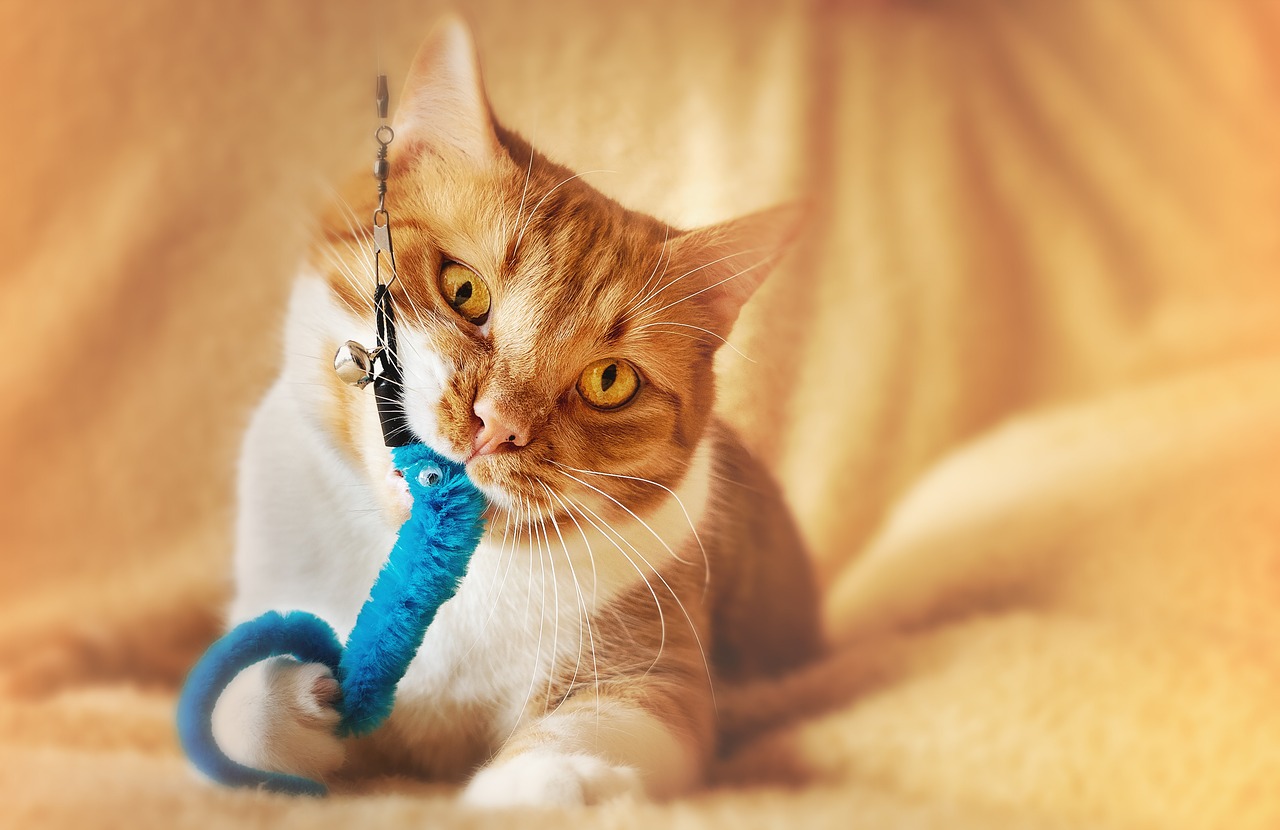

Impact of Lack of Play on Cat Aggression and How to Fix It
Understanding cat behavior is essential for any pet owner. One issue many cat owners face is aggression, which can stem from several underlying factors. Among these, a crucial cause is the lack of stimulation and playtime. Cats are natural hunters, and they require physical and mental engagement to remain healthy and happy. When denied play opportunities, cats may develop aggression towards their owners or other pets. It is vital to recognize the signs of aggressive behavior, such as hissing, swatting, or growling. Often, these behaviors signal a cat’s frustration or boredom, leading to outbursts that can be concerning for owners. Thus, identifying the cause of the aggression is the first step towards rectifying it. Owners may unknowingly contribute to their cat’s distress by not providing adequate daily playtime or interactive toys. In this article, we will explore the connection between insufficient play and aggressive behavior, and offer solutions and recommendations to improve your cat’s quality of life through increased stimulation.
Recognizing Signs of Aggression in Cats
To effectively address aggression caused by lack of stimulation, recognizing the specific signs of aggression in cats is crucial. Common behaviors that indicate aggression can include vocalization, with cats growling or yowling when upset. Additionally, body language plays a vital role; a cat that is agitated may flatten its ears or swish its tail rapidly. Understanding these signs helps owners intervene early when behavioral problems arise. Furthermore, observing patterns can reveal whether the aggression is linked specifically to boredom or lack of activity. For instance, if a cat typically exhibits aggression at certain times, such as when left alone, this is likely a direct response to feeling unfulfilled. Also, watch out for sudden aggression. This can indicate that your feline friend has pent-up energy that needs releasing. Providing sufficient playtime with engaging toys can alleviate these behavioral issues. Moreover, interactive play sessions can also improve the bond between cat and owner, creating a more harmonious home. By being proactive and understanding these behaviors, owners can better cater to their cats’ needs and reduce instances of aggression.
Providing an enriching environment is key to reducing cat aggression linked to lack of stimulation. Cats thrive in environments that resemble their natural habitats, full of opportunities for exploration and play. Owners should consider enhancing their living spaces with various stimulating elements that encourage play. For instance, scratching posts, climbing structures, and even cardboard boxes can provide cats with entertainment. Interactive toys that mimic prey, like feather wands or laser pointers, are excellent choices, encouraging a cat’s natural hunting instincts. Additionally, setting up safe outdoor spaces, like catios, can give indoor cats a chance to explore nature safely. Engaging with your cat daily is critical to sustaining their happiness. Schedule regular play sessions, using different toys to maintain variety. Furthermore, rotating toys periodically can keep the environment fresh and exciting. With an enriching environment, cats are likely to feel more fulfilled and less prone to aggressive behaviors. By investing time and resources into creating a stimulating habitat, cat owners can foster healthier behaviors and prevent issues before they start.
Benefits of Regular Playtime
The benefits of regular playtime extend beyond just preventing aggression in cats; they also contribute to overall health and well-being. Playing provides physical exercise, helping to maintain a healthy weight and muscle tone. Active cats are less likely to develop obesity-related health problems, which are common in sedentary felines. Furthermore, mental stimulation from play can reduce stress and anxiety levels. Cats engaged in regular playtime tend to be more relaxed and less likely to express frustration or aggression. An enriching environment combined with interactive play strengthens the bond between pet and owner, improving trust and communication. Owners often find that spending quality time through play enhances their relationship, creating a more fulfilling companionship. Moreover, positive interactions during play can also teach cats appropriate behavior, aiding in training. Establishing routines that include playtime will contribute not only to behavioral improvements but also to overall happiness. By acknowledging the importance of play, owners can play an integral role in their cat’s well-being, ensuring a peaceful and enjoyable living environment for both parties.
Involving the whole family in cat playtime can also enhance the experience for your pet. This collaborative approach can make play sessions more exciting and engaging for the cat. Scheduling family games, such as using wand toys, can encourage more active play among kids and adults alike. When everyone participates, the social bonding strengthens, thus enriching the cat’s life even further. It’s important to supervise children during these play sessions to ensure they are gentle and respectful of the cat’s boundaries, which helps prevent any accidental rough handling that may lead to fear or aggression. Teaching children about appropriate ways to play with cats will cultivate a mutual understanding and respect for the pet. Additionally, integrating family time around play can serve as a wonderful learning opportunity about animal care and behavior. Such activities can foster empathy in children as they learn to recognize when a cat needs a break or is overstimulated. Therefore, encouraging family participation is not only beneficial for the cat but also helps instill valuable lessons in responsibility and compassion.
Choosing the Right Toys for Your Cat
Selecting appropriate toys is key to facilitating engaging playtime that will help reduce aggression. Different cats have varied preferences, so it is beneficial to try a range of toys to discern which types your cat enjoys most. For example, many cats love feather toys due to their resemblance to birds, while others might prefer balls that they can chase. Puzzle toys filled with treats can stimulate mental engagement, providing both fun and rewards. Additionally, toys mimicking the size and movement of prey can activate natural hunting instincts, which many cats find exhilarating. Moreover, it’s crucial to rotate toys regularly to maintain interest and prevent boredom from setting in. Some cats may develop a hierarchy of preferred toys, so keeping their access varied will facilitate ongoing engagement. Also, consider self-play options, such as laser pointers or automatic toys, which can keep a cat entertained, especially when you’re busy. The right toys can transform playtime into an enriching activity, decreasing the chances of aggression and promoting a happy and mentally stimulated feline.
Lastly, establishing a consistent daily routine that includes playtime can substantially improve your cat’s behavior. Cats thrive on structure, understanding that certain times of the day are reserved for activity. By adhering to a schedule, owners reinforce the expectation and excitement surrounding play. Setting aside time in the morning or evening for interactive play can help your cat let out built-up energy. A predictable routine enables not only mental stimulation but also helps in managing your cat’s overall behavior. Additionally, incorporating training processes into play can create a more disciplined environment; for instance, teaching commands during play fosters obedience skills. Providing rewards and praise during these sessions will also reinforce good behavior and create positive associations with the interaction. Over time, a structured routine facilitates an increased sense of security for your feline friend, ultimately decreasing feelings of anxiety or aggression. Committing to daily play and structure can greatly reduce instances of aggression caused by boredom, leading to a happier and healthier cat.