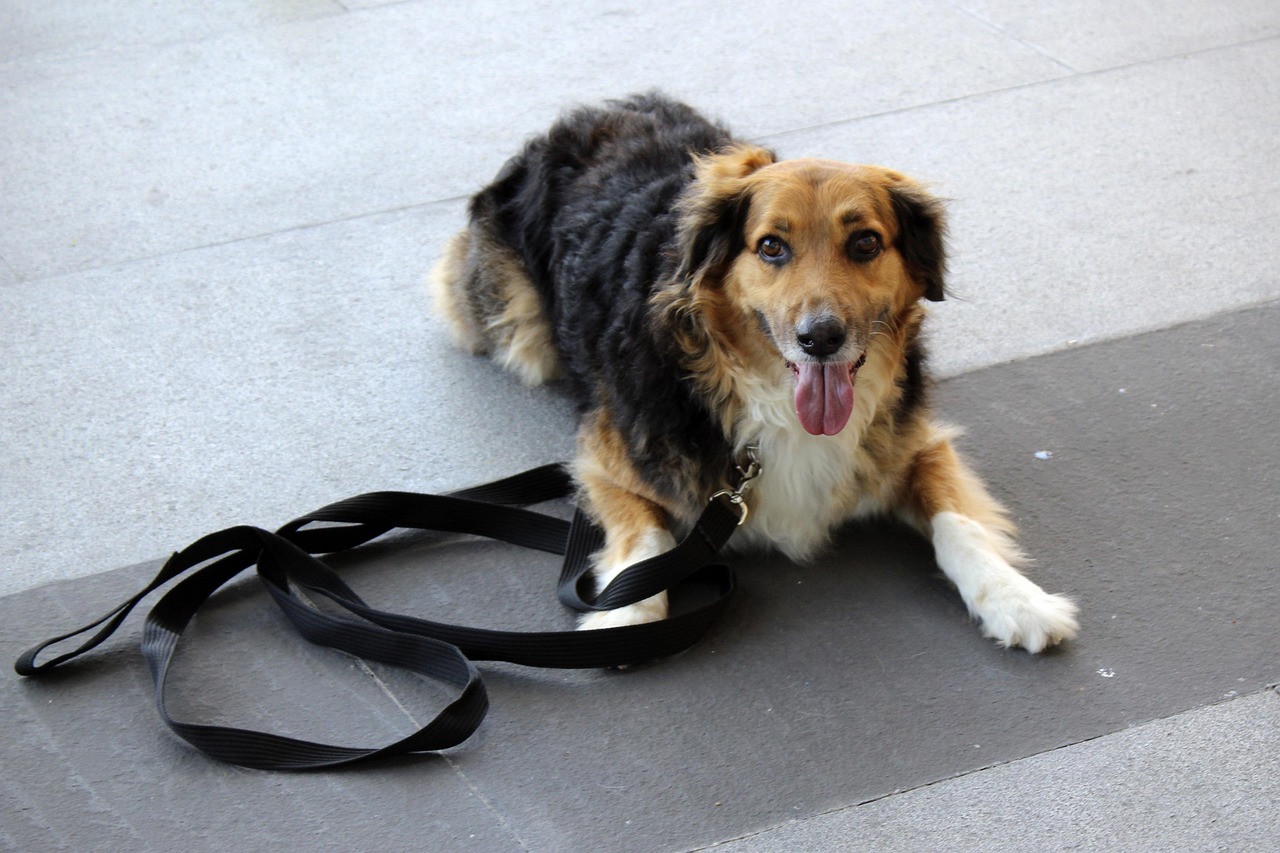

Improving Dog Safety with Obedience Training Classes
Dog safety is a significant concern for pet owners. Accidents can happen quickly if dogs are not properly trained. Obedience training can play a crucial role in enhancing safety. Through structured classes, dogs learn essential commands such as sit, stay, and come, which can be life-saving in certain situations. Moreover, trained dogs are less likely to engage in dangerous behavior, such as running into traffic or jumping onto strangers. This training not only protects the dogs but also ensures the safety of others. Another benefit of obedience training is increased communication between pets and their owners. When dogs understand commands clearly, owners can guide them more effectively, reducing confusion and potential accidents. Engaging in consistent training reinforces positive behaviors and deters negative ones. Safety classes often involve real-life scenarios where dogs learn to react appropriately. Owners are encouraged to participate actively in these classes to strengthen the bond with their pets while ensuring their safety. The combination of learning and bonding fosters trust, making the dog more likely to respond reliably to commands during emergencies.
Safety training should start at an early age. Young dogs are particularly adaptable and receptive to learning new behaviors. Early training establishes a foundation that can lead to a quiet, well-mannered adult dog. In addition to obedience, these classes offer socialization opportunities, which are essential for a dog’s mental health. Dogs exposed to various environments, people, and situations tend to be more balanced. Training classes often include controlled exposure to distractions, aiding dogs in learning to focus on their owners despite these stimuli. This focus is vital for safety, as it helps prevent dangerous situations stemming from fear or anxiety. In some cases, special trainers use specific techniques to address fear-based reactions, helping dogs feel more secure. Furthermore, obedience training can boost a dog’s confidence, making them less anxious in new situations. Confident dogs are easier to manage and less likely to act out impulsively. Owners can create positive training experiences with their dogs, using treats and praise as incentives. These experiences enrich the dog’s life while enhancing their responsiveness to commands, ultimately contributing to better safety for both the dog and those around them.
The Role of Positive Reinforcement
Positive reinforcement techniques are central to effective dog training. Unlike negative methods that may instill fear, positive reinforcement encourages desired behaviors through rewards. This approach builds a stronger relationship between dogs and their owners, leading to better long-term outcomes. By rewarding good behavior immediately, owners can ensure that their dogs associate commands with positive experiences. This association makes dogs eager to comply in the future. Training classes frequently utilize games and fun activities that stimulate dogs mentally while reinforcing their learning. In addition, instructors often promote a low-stress environment conducive to learning. This atmosphere allows dogs to feel secure and open to trying new behaviors. Owners observing their dog’s progress receive support and encouragement, increasing their confidence in their ability to train effectively. Consistently applying positive reinforcement in daily life further strengthens the dog’s learning. Simple practices, like rewarding calm behavior on walks, embed these teachings into routine activities. Furthermore, positive interactions create a comfortable space where dogs can relax. As dogs thrive in a supportive environment, owners can expect enhanced safety through their dog’s improved behavior and responsiveness.
It’s important to remember that consistency is key in obedience training. Dogs thrive on routine, and clear expectations facilitate learning. By incorporating commands into daily routines, owners reinforce training, helping dogs understand what is expected of them. For instance, using the ‘sit’ command before meals or walks ensures that dogs connect the command with positive outcomes. Frequent practice of commands helps solidify learning and improves reliability over time. Regular reinforcement of commands fosters trust between the dog and the owner, ensuring obedience during more critical moments. Additionally, integrating safety commands into social situations further enhances a dog’s ability to respond adequately in emergencies. Engaging in regular training sessions builds a dog’s comfort level with commands, making them instinctually reliable. Owners can also provide leadership during these sessions, encouraging dogs to focus on them amid distractions. This relationship not only imparts safety but fosters a sense of security for both the dog and the owner. Furthermore, addressing specific behavioral issues unique to each dog can enhance safety. Owners must consult with instructors on individualized training plans that cater to their dogs’ specific needs. A tailored approach ensures effective safety training.
Choosing the Right Training Class
Selecting the right obedience training class is essential for achieving desired safety outcomes. Researching local options can lead owners to classes that match their dogs’ needs. Consider looking for certified trainers who utilize positive reinforcement techniques. Trainers who are knowledgeable in dog behavior can customize lessons aimed at safety training. Before committing, attending a class or two can help owners assess compatibility. Observing instructor methods and interacting with their dogs provides insight into their effectiveness. In addition, recommendations from other dog owners can guide selections based on personal experiences. Online resources and reviews offer valuable perspectives on various trainers and programs available in the area. When evaluating facilities, check for cleanliness and safety. A well-organized training environment prevents accidents and distractions, facilitating learning. Also, class sizes should be manageable, allowing for individualized attention. Comfortable accommodations for both dogs and owners enhance the training experience. Inquiries regarding specific curriculums can help ensure that classes cover topics aligned with personal goals. Investing in the right obedience training class ultimately paves the way for a safer environment for the dog and those around them.
Incorporating obedience training into a dog’s life promotes overall well-being. Safety training does not only improve behavior but also ensures happiness and comfort for both dogs and their owners. Dogs that undergo obedience training have higher levels of confidence and reduced anxiety, leading to less reactive behaviors. When dogs learn to interact with their environment safely, they enjoy life more fully. This well-being extends to social interactions, as well-trained dogs are welcomed in public spaces and gatherings. They exhibit calm behavior in various settings, fostering a positive reputation among fellow dog owners. Also, well-trained dogs are more likely to be included in outings, further enhancing their quality of life. The ongoing bonding that develops during training sessions creates lasting relationships, allowing owners to enjoy their pets fully. It also encourages healthy lifestyles as owners incorporate training as a fun exercise routine. Engaged owners lead to better training results, creating an ongoing loop of reinforcement between dogs and their commands. Ultimately, the benefits of obedience training continue to multiply beyond safety, leading to more harmonious lives together.
Conclusion: The Long-Term Impact of Training
The long-term impact of obedience training on dog safety cannot be overstated. Responsible pet ownership involves training that goes beyond basic commands, fostering a secure environment for all. As dogs age, consistent training prepares them for changing environments and situations. Life can present new challenges that may influence a dog’s behavior, making initial training foundational for lifelong safety. Continued training and refreshers help address evolving dynamics and behaviors. Any changes in lifestyle, such as moving homes or the addition of family members, warrant adjustments in training practices. Such adaptability ensures that dogs remain well behaved and responsive throughout their lives. Moreover, owners benefit from ongoing education about dog behavior. Knowledgeable owners can proactively prevent behavior issues that may threaten safety. Advanced training can introduce specialized commands that directly address specific safety concerns. This ongoing journey of learning and adapting ultimately promotes safety for dogs and their families. Emphasizing training and positive reinforcements leads to sustained resilience in dogs. A culture of learning and adaptation creates the safest environment possible, allowing dogs and owners to thrive together with confidence.