
Tick-borne Parasitic Skin Infections in Dogs: What You Need to Know
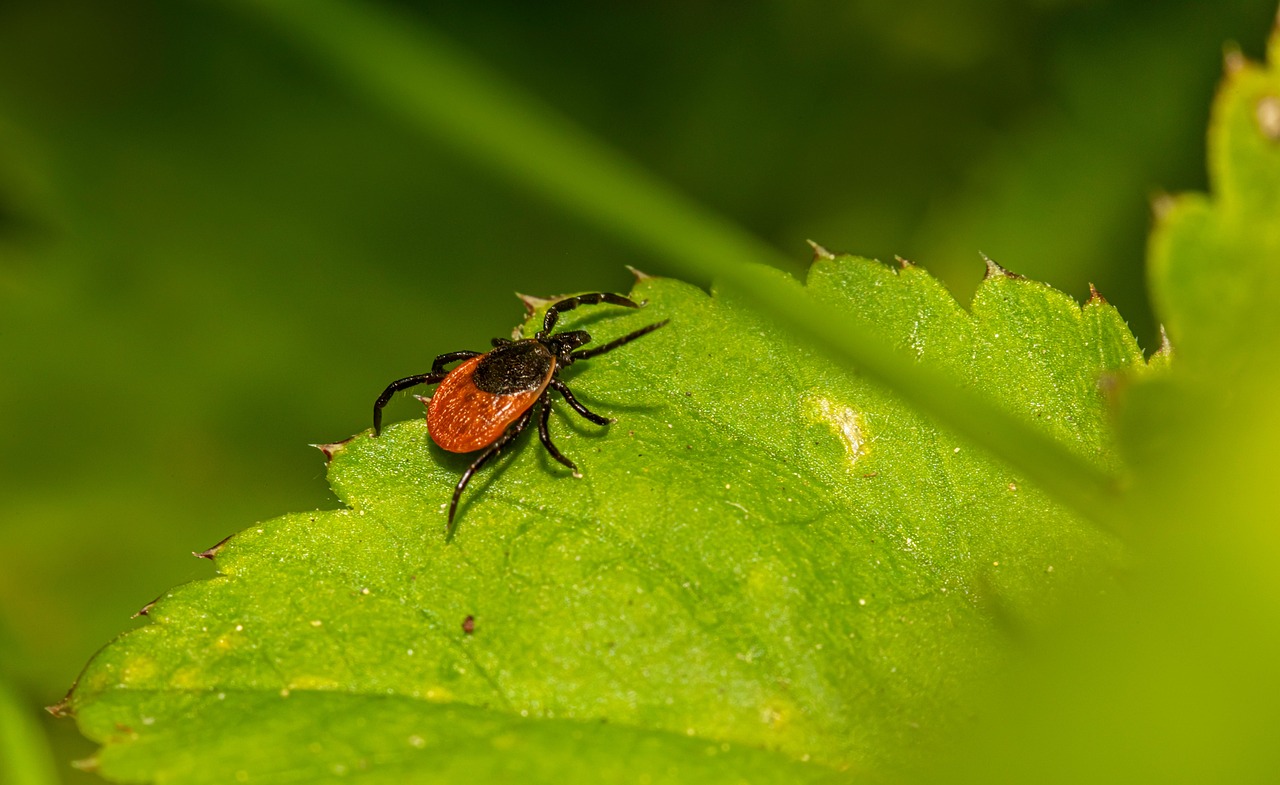
Ticks are not only a nuisance for dogs but can also transmit serious diseases leading to parasitic skin infections. Various species of ticks, such as the deer tick and the dog tick, can infect your dog with harmful pathogens. These infections usually manifest in symptoms like itching, inflammation, and even fur loss. Recognizing these symptoms early is essential for effective treatment. Regular tick prevention can mitigate risks significantly. Cleansing the dog’s skin with appropriate pet shampoo can assist in managing skin irritations caused by tick bites. Consult your veterinarian for the most suitable shampoo for tick-borne infections to use on your dog. Moreover, ensure your dog is regularly checked for ticks after outdoor excursions. Regular grooming sessions are ideal opportunities to detect any tick presence. Such preventive measures can avoid complications arising from skin infections. It is essential for dog owners to stay informed about the tick-borne diseases prevalent in their region. Lyme disease is one of the most known infections, but it is far from the only one. Knowledge about tick-borne diseases enhances your ability to protect your furry friend.
Ticks can introduce a variety of severe complications beyond mere skin irritations and infections. Some of the notable infections include Anaplasmosis and Ehrlichiosis, both transmitted by ticks. These infections can result in fever, lethargy, and joint pain in dogs. Immediate veterinary assistance is crucial upon observing these signs. In addition to skin irritations and infections, ticks can impact a dog’s overall health. Although the symptoms may initially seem mild, ignoring them can lead to more significant health issues. Treatment plans generally involve antibiotics, topical solutions, and sometimes overall health evaluations. Vaccination against certain tick-borne diseases is available and recommended by veterinarians. Always discuss appropriate vaccination schedules for your pets with your vet, particularly in high-risk regions. Remember that ticks thrive in specific environmental conditions, including wooded areas and tall grasses. Therefore, limiting exposure to these environments can help reduce tick infestations significantly. Spotting ticks early can prevent skin infections before they worsen into severe health concerns. Frequent inspections of your dog should include the ears, paws, and underbelly. A proactive approach is always better than a reactive response when dealing with tick-borne parasitic infections.
Symptoms of Tick-borne Parasitic Skin Infections
The symptoms of tick-borne skin infections often vary depending on the type of infection. However, common signs include itching, redness, and swelling around bite areas. Moreover, as the infection progresses, you may notice patches of fur falling out. It can also lead to more severe complications like secondary infections due to persistent scratching and irritation. Observing these symptoms early can aid in quicker diagnosis and treatment. If you observe these signs, it’s advisable to consult your veterinarian promptly. They may perform a thorough examination and additional tests if necessary. Blood tests can help identify specific tick-related infections, guiding effective treatment options. Some infections may require prolonged courses of antibiotics, while others may need specialized care. Additionally, your veterinarian might recommend changes in your dog’s diet or lifestyle to speed up recovery. Monitoring your dog’s symptoms post-treatment is essential to ensure recovery is progressing. The right preventive measures can keep both you and your furry friend safe from ticks. Regular health check-ups are an integral part of maintaining your dog’s well-being, particularly during tick season. Invest time in educating yourself and interacting effectively with your veterinarian.
Preventive measures against tick-borne infections are paramount in keeping your dog healthy. Consistent use of tick prevention medications greatly reduces the likelihood of your dog contracting infections. Many products can help, such as oral treatments, topical solutions, and wearable collars designed to repel ticks. Always follow your vet’s recommendations regarding the best products for your dog’s specific needs. Additionally, maintaining a clean environment is vital. Regularly cleaning your dog’s bedding and washing your dog’s coat can help eliminate ticks and larvae. Keeping your yard tidy by mowing the lawn frequently and removing brush can also deter ticks from breeding. Beyond immediate prevention, educating yourself about your area’s tick season is crucial. Just like you would for any virus, being aware of peak times for tick populations allows you to prepare better. Awareness ensures your dog gets the right protective measures before ticks become a problem. Encourage your friends and family who have pets to do the same, promoting safety and well-being within your community. Effective teamwork in preventive measures increases the chances of limiting tick populations significantly, benefiting all pets in the area.
Treatment of Tick-borne Parasitic Skin Infections
If your dog is diagnosed with a tick-borne skin infection, prompt veterinary intervention is essential for a successful recovery. Veterinarians typically start with thorough examinations to determine the extent of the infection. Once diagnosed, the treatment might involve various antibiotics and anti-inflammatory medications, depending on the specific parasite and condition. In some cases, additional treatments like topical solutions for skin irritation may be recommended. Regular follow-up visits help monitor your dog’s progress and any potential side effects from medications. You should make sure to complete the full course of prescribed medications to ensure the infection is entirely eradicated. Hydration and nutritional support also play significant roles in your dog’s recovery. Offer your dog ample fresh water and consider incorporating nutritious foods into their diet. Adequate rest aids in healing, so ensure your dog has a comfortable and quiet space to recover. Avoid taking your dog for walks until your veterinarian advises. This restriction limits exposure to potential re-infection during their recovery phase. Always communicate openly with your vet about any concerns or signs that may arise throughout the treatment process.
Taking the right steps during your dog’s recovery from a tick-borne skin infection can make all the difference. Post-treatment care is just as vital as initial treatment. Focus on maintaining a clean environment and providing a nutritious diet to support your dog’s immune system. Monitoring for any recurring symptoms or new issues is essential during this period. Consistent check-ins with your vet can ensure that your dog’s recovery is on track and all aspects of their health are considered. In addition, follow all of your veterinarian’s infection prevention strategies to avoid encountering ticks again. Limit outdoor exposure to heavily infested areas, particularly during peak tick seasons, and regularly groom your pet. Frequent grooming increases the chances of detecting and removing ticks immediately. Moreover, cleaning your yard and home environment aids in reducing tick populations significantly. Consistent grooming rituals create a bonding experience, allowing you to closely monitor your dog while ensuring they stay comfortable and happy. Alongside preventive strategies, creating a care plan in conjunction with your veterinarian ensures your dog’s overall well-being and comfort in their environment. Together, you can create a safe, healthy space for your beloved furry friend.
Educating Yourself About Ticks
Education is fundamental when it comes to managing tick-borne infections in dogs effectively. Understanding the life cycle of ticks can help you comprehend when your dog is most at risk. Ticks have various life stages, including egg, larva, nymph, and adult. Each of these stages requires its specific conditions to thrive. Educating yourself on tick behavior and habitats contributes to creating effective preventive strategies. The more you know about the types of ticks prevalent in your area, the better you can protect your dog. Resources like veterinary websites or local extension services can provide you with valuable information. Engage with your veterinarian about specific breeds that may be more susceptible. Awareness about vaccinations that can protect against certain conditions will assist you as well. Creating a plan of action for prevention and treatment will empower you to maintain your dog’s health as efficiently as possible. Regularly attending seminars or workshops can not only educate you but may also connect you with other dog owners facing similar concerns. Always stay updated on the latest information regarding tick-borne diseases, as research constantly evolves in the veterinary field. Efficient education enables you to be a proactive guardian for your dog’s health.
In addition to personal learning, sharing knowledge about tick-borne infections can significantly influence your community. Discussing these issues with fellow pet owners helps create a network of informed guardians. Hosting gatherings to exchange personal experiences or strategies can also spread valuable information. Additionally, consider volunteering or collaborating with local animal shelters or parks to educate others. Awareness campaigns can guide pet owners to make better decisions regarding tick prevention and treatment measures. Such initiatives can promote collaboration and help establish a community that prioritizes the health of pets. Advocacy in local areas can encourage discussions about proper treatment and available resources for tick-related issues. Social media platforms are excellent for sharing insights and tips for canine care. Stories highlighting recovery, prevention strategies, and tips for recognizing symptoms can have a lasting positive impact. Teaching children about responsible pet ownership includes discussing the importance of regular health checks and proper grooming. Overall, fostering a culture of education within pet ownership can help reduce the impact of tick-borne infections in your community. Every effort counts — from individual conversations to broader community initiatives. Protecting pets benefits not just animals but strengthens ties within communities.