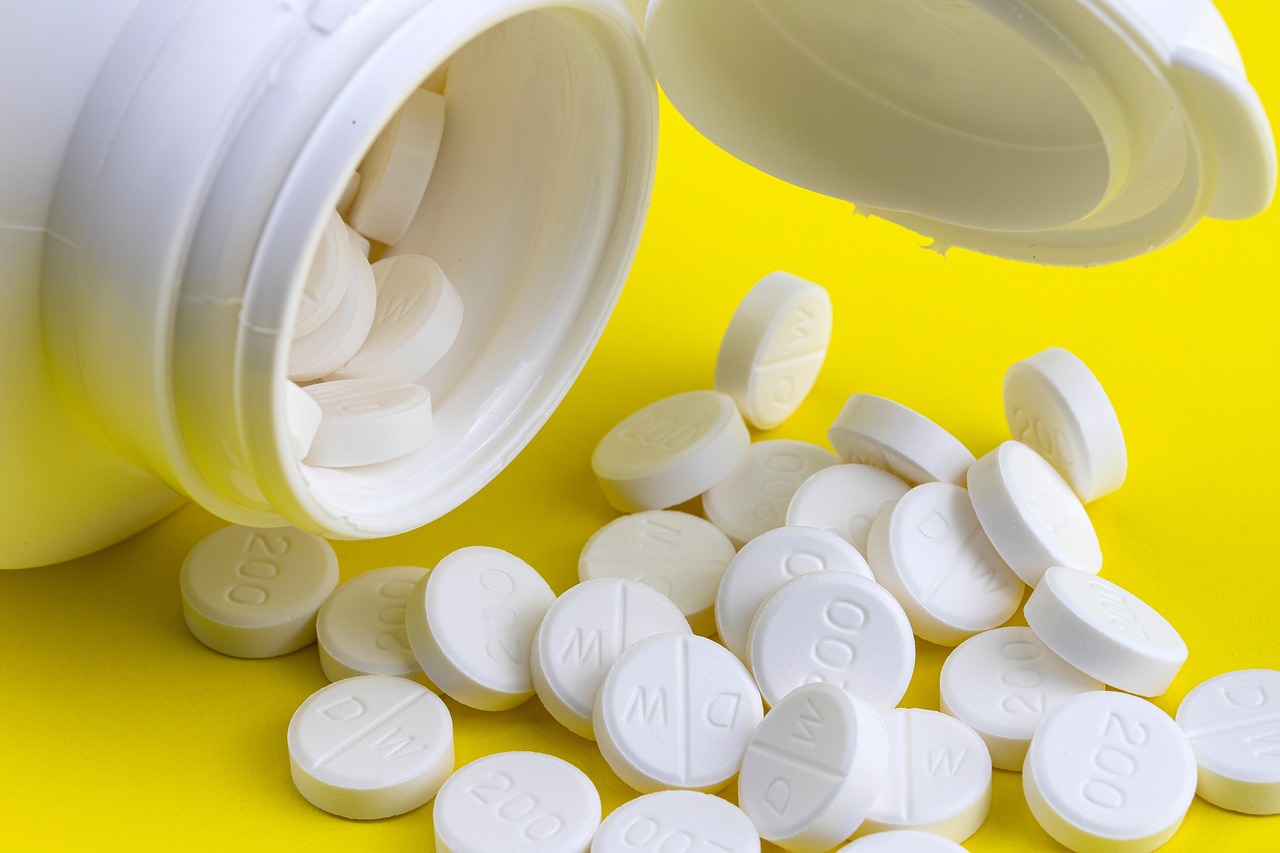

Water-Soluble Vitamin Toxicity in Dogs: Myths and Facts
When discussing vitamin toxicity in dogs, many pet owners are unaware that water-soluble vitamins, which include B-complex and vitamin C, are generally considered safe. However, it is essential to understand that excess amounts can lead to various health issues. Water-soluble vitamins are not stored in the body like fat-soluble vitamins; instead, they are excreted through urine. While this provides some safety, over-supplementing can still result in adverse effects. The first step is ensuring your dog receives a balanced diet, which typically provides sufficient vitamins without the need for supplements. If you suspect that your dog may be consuming excessive amounts of a vitamin supplement, consult your veterinarian immediately. They can offer advice based on individual health needs, as some breeds may be more sensitive. Regular check-ups and a proper dietary plan are vital for your dog’s long-term health. Pets, like humans, can react differently to vitamin intake. Educating yourself about your pet’s nutritional requirements will save you from potential toxicity loans in the future. Careful dosing and understanding your dog’s needs are crucial in preventing any health problems related to vitamin overload.
Signs of Vitamin Toxicity in Dogs
Although water-soluble vitamins are typically safe, it’s vital to recognize the signs of potential toxicity. Symptoms may vary depending on the specific vitamin involved. For instance, an overdose of vitamin B6 can lead to neurological issues, while high amounts of vitamin C often cause gastrointestinal distress. Key signs to watch for include lethargy, vomiting, diarrhea, and a lack of appetite. If you observe unusual behavior or health changes, seeking veterinary advice is essential. Always be cautious about over-the-counter supplements, as they can sometimes contain excessive amounts of vitamins. Additionally, reading the labels on supplements is crucial, focusing on dosage recommendations and ensuring they’re suited for dogs. Remember that just because a product is marketed for pets, does not guarantee safety. Monitoring your pet’s behavior and health closely can alert you to any concerning changes. It’s also a good idea to keep a close eye on their dietary transitions, particularly if you’re introducing new foods or treats. Knowing your dog’s normal behavior will make it easier to identify signs of toxicity or distress early on.
One common misconception is that because water-soluble vitamins are eliminated through urine, dogs cannot overdose on them. This statement is misleading. While it’s true that the kidneys help filter excess vitamins, certain situations can overwhelm this capacity. For example, if a dog ingests an unusually high dose, the body may not eliminate it quickly enough, leading to negative health effects. It’s also important to remember that some dogs can have specific sensitivities or health conditions that make them vulnerable to vitamin overdoses. Older dogs or those with kidney issues may require special dietary considerations. Therefore, a veterinarian’s guidance in these situations is indispensable. As every dog is unique, tailored dietary advice can help prevent any risk factors for vitamin overdose. Additionally, age, size, and breed should all be considered when determining appropriate vitamin levels. Keeping track of your dog’s intake habits, including treat consumption, can provide insights into their overall health. Long-term health involves more than avoiding overdoses; the right balance of nutrients is essential for maintaining vitality and well-being.
Water-Soluble Vitamins: Safe or Dangerous?
The safety of water-soluble vitamins in dogs is often miscommunicated. While many believe that these vitamins are always benign, it is essential to be educated about how and when they can become problematic. Dogs may derive these vitamins from their regular food, but supplementation should only occur on a veterinarian’s recommendation. Too much of anything can lead to complications, and vitamins are no exception. B vitamins, for instance, assist in energy production and the maintenance of the nervous system; however, be cautious with dosages. Over time, chronic exposure to excessive amounts could be damaging. Therefore, know your dog’s specific health conditions and nutritional needs before adding supplements to their diet. Many commercial dog foods are designed to provide adequate nutrition without additional needs, so consult a vet for guidance. This is particularly crucial if your pet has specific dietary restrictions due to allergies or health issues. Understanding each vitamin’s role in your dog’s health can help you better manage their overall well-being and formulate a robust and safe dietary plan.
To further grasp the implications of vitamin supplementation, comparing water-soluble vitamins with fat-soluble ones is beneficial. Fat-soluble vitamins, which include A, D, E, and K, can accumulate in the body, causing toxicity over time. This differs from the profile of water-soluble vitamins, but it doesn’t mean they are entirely risk-free. Vitamins like B1 (thiamine) and B3 (niacin) allow for flexibility in safe administering due to less storage capacity, but overdoses can still occur under certain conditions, such as supplements taken during illness. A thorough understanding of your dog’s unique health profile is essential to dog care. Some dogs may thrive with specific supplements, while others may show intolerance. Moreover, the quality of the vitamin supplement can also affect overall safety; low-quality brands may contain harmful fillers or excesses of certain vitamins. Therefore, consulting with your veterinarian about reputable brands is highly recommended. Balancing the diet without relying solely on supplements can help prevent any adverse reactions and maintain optimal health for your dog.
Prevention: Key Considerations for Dog Owners
Prevention is always better than cure, especially when it comes to pet health. To avoid vitamin toxicity, dog owners must adopt a mindful approach to feeding and supplementing their pets. Prioritize providing a balanced diet tailored to your dog’s age, size, and activity level. If you choose to supplement, always consult a vet to ensure it is necessary and safe. Regular health check-ups can help monitor any changes in your dog’s health status and adjust accordingly. Additionally, educating yourself about vitamin deficiencies and excesses specific to your breed will empower you in making informed decisions. Keep a log of what your dog consumes daily, including treats and table scraps, which can often introduce unwanted excess nutrients. Moreover, avoiding human food that can lead to toxicity, like chocolate or grapes, is critical. Vet-recommended commercial dog food often includes appropriate amounts of vitamins, reducing the need for additional supplementation. Healthy dogs typically don’t require extra vitamins, and managing their nutrients adequately can avert the risks related to both deficiency and excess.
In conclusion, understanding how water-soluble vitamins work and their implications in dogs’ diets can clarify misbeliefs about toxicity. Education will enable dog owners to make informed choices regarding supplementation and overall nutrition. Regular veterinary visits play a vital role in ensuring that your dog has the correct nutrition based on their specific health condition, lifestyle, and needs. Always keep track of your dog’s dietary habits, and address any concerning signs promptly. Maintaining awareness regarding vitamin overdoses and not falling into the trap of misjudgments about vitamin safety can go a long way. If there’s doubt about what’s appropriate for your dog, don’t hesitate to ask your veterinarian. Specifically tailored advice can help ensure your dog stays healthy and active. Vigilance is key in preventing any potential issues associated with vitamin supplementation. As an informed dog owner, you can help your furry friend thrive in a balanced diet, free from the risks of vitamin toxicity.