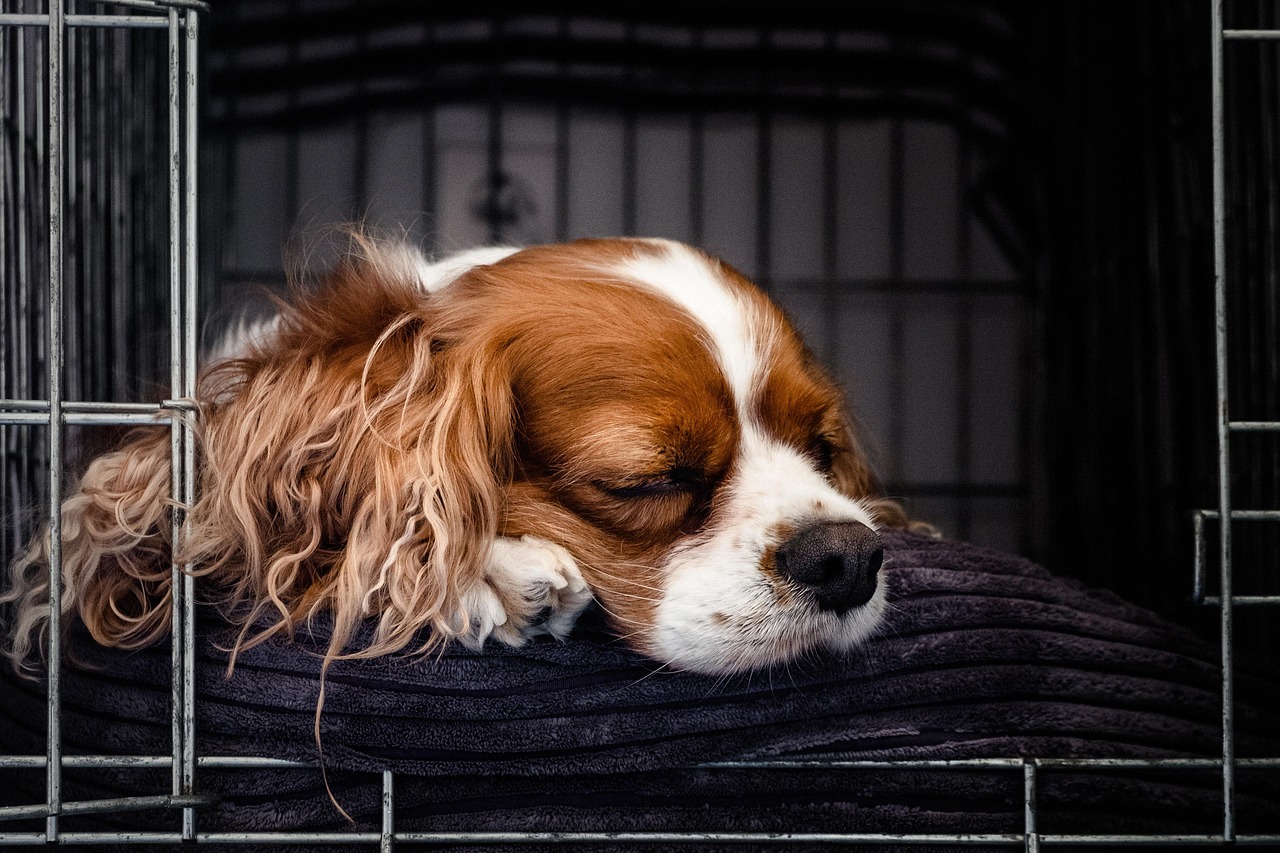

Common Mistakes to Avoid During Crate Training
Crate training your dog can be a rewarding process, but it’s essential to avoid common mistakes that may hinder progress. One significant error is using the crate as a punishment. If your pup associates the crate with negative experiences, they may develop anxiety or resentment towards it. Instead, ensure the crate is a safe and comforting space. Another frequent mistake is leaving your dog in the crate for extended periods. Dogs require regular breaks, playtime, and social interaction. Keeping them confined for too long can lead to behavioral issues. Additionally, some pet owners fail to introduce the crate gradually. Start by allowing your canine to explore the crate freely, using treats and positive reinforcement to create positive associations. Maintaining a consistent schedule is vital; regular bathroom breaks and routine feeding times can aid in crate training success. Remember that patience is key—progress may be gradual. Lastly, avoid overcrowding the crate with toys or bedding, as this may discourage your dog from entering. Ultimately, a positive atmosphere can go a long way in ensuring effective crate training for your pet.
Another mistake to avoid is rushing the crate training process. Puppies and adult dogs alike may require varying timeframes to adjust to their new confinement. Some pet owners may expect their dogs to adapt instantly and become frustrated when things take longer than anticipated. Establishing a calm environment during crate training can make the experience more enjoyable and less stressful for your pup. Shouting or showing frustration can lead to further anxiety. It’s also essential not to ignore your dog’s signals; if they’re barking or whining, they may need to go outside or feel uncomfortable. Finally, remember that every dog is unique. Training methods that work on one dog may not be effective on another. Take time to understand what works best for your furry friend, and be willing to adapt your approach. Monitoring their behavior and being attentive to their needs will ensure a smoother transition to crate training. Build a strong bond through the process and create a positive relationship with their crate. Utilize treats and praise to encourage your dog to enter and stay within the crate willingly as they learn the routine.
Avoiding Negative Experiences
Being mindful of your dog’s emotional state during crate training is crucial to avoid negative experiences. One common mistake is leaving a puppy in a crate after a long play session. They need time to wind down and relax, as overexertion can make it hard for them to settle into their crate. Rather than putting them in right after vigorous play, try introducing quiet time first. Additionally, some owners may forget to evaluate crate size when training dogs. An undersized crate can cause discomfort and anxiety for your pet, while an overly large one can lead to improper habits, such as using one corner as a bathroom. Make sure to select a crate that provides enough room for your dog to stand, turn around, and lie down comfortably without excessive space. Adequate ventilation and a soft, comfortable bed will also contribute to a more positive association. Finally, ensure that your dog has enough mental stimulation before crating, like puzzle toys or training exercises, to minimize boredom. A combination of comfort, care, and patience will foster a better crate training experience for you both.
Ignoring crate-cleaning routines is yet another mistake dog owners often make during this process. Regular cleaning not only helps maintain hygiene but also encourages dogs to feel comfortable in their crate. If a crate is constantly dirty or smells like waste, your pet will be less inclined to spend time inside it. Make it a habit to check and clean the crate frequently, especially after the first few weeks of training. Additionally, pet owners sometimes underestimate the importance of crate placement. Positioning the crate in a quiet yet social area of the house can help your dog feel more secure while still allowing them to be close to their family. Avoid placing the crate in busy areas that may lead to frequent disruptions or distractions. Establish a designated area where your dog can retreat; this ensures they understand that their crate is their personal space. Lastly, take time to praise your dog whenever they willingly go into their crate, which reinforces positive behavior. This combination of cleanliness, proper placement, and encouragement creates an ideal environment for successful crate training.
Setting Realistic Expectations
Many dog owners also make the mistake of setting unrealistic expectations during crate training. Training takes time and requires understanding your dog’s individual needs and limitations. Not every dog learns at the same pace, so it’s important to remain patient and consistent. Celebrate small victories, as these will help build confidence in both you and your pet. Frequent reinforcement through treats and positive acknowledgment will create positive behavior associated with their crate. It’s also essential to maintain consistent timing for crating. Dogs thrive on routine, so establishing and adhering to a schedule will hasten their adjustment. Always time crating sessions around your dog’s natural need for elimination, and avoid using the crate for punitive reasons. On the other hand, being overly lenient can create confusion. Establish boundaries for how long your dog can stay in the crate, focusing on shorter sessions before gradually increasing duration. Lastly, don’t forget to allow regular potty breaks outside of the crate. By aligning expectations with realistic outcomes, you can pave the way for a successful crate training journey.
When it comes to socialization, failing to include this aspect during crate training can lead to significant issues. Crate training should not isolate a dog from household activities. Whenever possible, your pet should feel involved in daily routines while safely crated. This understanding helps your puppy feel like a valued family member, minimizing anxiety. Surrounding your dog with familiar sounds, scents, and even visual cues can create a reassuring experience inside the crate. Additionally, make sure not to disregard positive reinforcement during socialization. Each time your dog approaches the crate or enters willingly, reward them with praise, treats, or playtime. Fostering an encouraging environment is crucial in building trust between you and your pet. If your dog seems hesitant to enter the crate, never force them inside; instead, encourage them gently and take small steps towards comfort. Use toys or treats to entice them in and gradually increase time spent inside. As your dog grows familiar with their crate, patience and motivation will yield lasting results, making your crate training journey more manageable for everyone involved.
Choosing the Right Crate
Choosing the appropriate crate is a significant aspect of effective crate training as well. Many owners overlook this factor, opting for size or style rather than their dog’s specific needs. It’s essential to select a size that provides enough space without being too large, as this prevents the pet from using one corner as a bathroom. A crate should be just right for your dog’s breed and age; adjustable crates may be particularly beneficial for growing puppies as they can be customized to fit. Furthermore, make sure to evaluate materials used in the crate. Opt for sturdy and safe materials that can withstand potential chewing or scratching. Many crates are available—wire, plastic, or soft-sided—but the choice should depend on your lifestyle and the dog’s temperament. For instance, if your dog is prone to separation anxiety, a more enclosed crate may provide a fortified sense of security. Packing the crate with familiar blankets or toys will offer additional comfort. Ultimately, making the right crate choice lays the groundwork for successful crate training, minimizing the chance for accidents or fears to arise.
Lastly, don’t overlook the significance of your dog’s comfort level when creating a crate training routine. The crate should be a cozy sanctuary, not just a confinement tool. Identify cozy bedding options that can keep your dog warm and content. Familiar items, like your pup’s favorite blanket or a few chew toys, can establish positive associations with their crate. Remember that temperature and ventilation are crucial for your dog’s wellbeing inside the crate. Ensure proper airflow to keep your crate cool and inviting, especially during warmer months. Additionally, consider incorporating calming techniques into daily crating practices. Gradually acclimating your dog to more extended periods inside the crate might involve soft music or pet-calming pheromone products. Nevertheless, observing how your dog responds can help determine what best aids in relaxation when crated. Always prioritize their comfort, which includes keeping the area quiet and free from sudden noises or distractions. Ultimately, creating a sweet spot in your home through consistent and thoughtful practices ensures a successful crate training experience for you and your four-legged friend.