
DIY Flea and Tick Checks: Protect Your Dog at Home
Fleas and ticks pose significant threats to the health of dogs throughout the year. A proactive approach to pet care is necessary to identify and eliminate these pests before they become a larger issue. DIY flea and tick checks are essential to ensure your furry friend stays healthy and free from infestation. First, be aware that flea and tick problems can arise from various sources, including the outdoor environment and other pets. Regular home checks are crucial to detect any signs of these pests early as proper identification leads to timely action. For monitoring your dog, consider the following steps: find an area with good lighting, and use a fine-tooth comb to check the fur methodically. Pay particular attention to spots such as the neck, behind the ears, and between the toes, where these critters tend to hide. A thorough examination can help in spotting fleas or ticks before they cause distress to your pet. Familiarize yourself with flea and tick life cycles to understand the urgency of regular checks and treatments. An informed owner is essential in the battle against these pests.
Once you’ve initiated your DIY flea and tick checks, it’s important to know what tools and products can assist you. Consider having a flea comb, a pair of tweezers, and a magnifying glass at your disposal. The flea comb is not only an excellent tool for detecting fleas but also helps remove them from your dog’s coat. If you notice fleas or ticks, use tweezers for safe removal, ensuring you grasp the head of the pest to avoid leaving any body parts behind, which can lead to infection. After removal, clean the area with a disinfectant, and dispose of the pests safely. Additionally, implementing a flea and tick prevention strategy is crucial. Options range from topical treatments to oral medications and collars that deter these nasty pests. Consulting your vet before choosing any product ensures its suitability for your dog’s age and health status. Remember, consistency is key in preventive measures. Establish a schedule for regular checks as part of your dog’s grooming routine. Prevention combined with diligent checks will keep your beloved pet happy and healthy year-round.
Understanding Fleas and Ticks
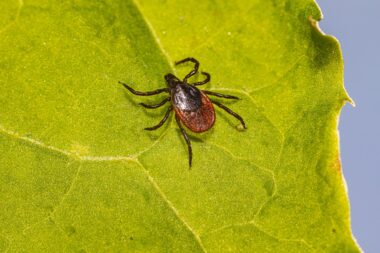
Understanding the nature of fleas and ticks enhances your DIY checks. Fleas are tiny, dark brown insects that jump quickly and can multiply rapidly, whereas ticks are larger, often gray or brown, and attach to their hosts for feeding. Recognizing their differences makes checking easier. Fleas can infest your home through various means, including visitors, other pets, or being outdoors. A single female flea can lay thousands of eggs in its lifetime. Ticks, on the other hand, latch onto a host to feed on blood, making them potentially dangerous transmitters of diseases, such as Lyme disease or Rocky Mountain spotted fever. Knowing where to look for ticks is equally important—ticks often thrive in wooded areas, tall grasses, and even your backyard. Pay attention to your dog’s play areas, and remember that they can hitch a ride into your home on your pets. Understanding their habits and habitats will aid in recognizing potential infestation routes. Staying vigilant and informed is your best defense against these external parasites.
When conducting a DIY flea and tick check, timing can greatly enhance your effectiveness. Choose a time when your dog is calm and relaxed, such as after a walk or playtime. This ensures they are more cooperative during checks, and it is easier for you to focus. If your dog tends to fidget, consider gently restraining them using a soft leash, or have a familiar person assist you in keeping your pet still. Utilize positive reinforcement techniques by incorporating treats or praise, making the process more tolerable for them. Create a routine schedule for checks, which not only reinforces good behavior but also solidifies into a habit for you and your pet. Schedule these checks at least every two weeks during the warmer months when flea and tick activity peaks, and monthly during the colder months. By integrating this routine with regular grooming or baths, you can seamlessly maintain your dog’s health. Consistent timing not only enables better monitoring but fosters a trusting relationship with your dog, transforming necessary checks into enjoyable bonding moments.
Post-Check Actions
If fleas or ticks are detected during your checks, immediate action is necessary. For fleas, it’s crucial to treat your dog with an appropriate method as prescribed by your veterinarian. Your chosen treatment should kill adult fleas while also addressing eggs and larvae to prevent future infestations. Bathing your dog using specialized flea shampoo can provide immediate relief, but it’s just one part of a comprehensive plan. Additionally, consider washing your dog’s bedding and toys in hot water to eliminate any lingering fleas. Once your dog is treated, a thorough cleaning of your home environment is essential to prevent reinfestation. Vacuum carpets and surfaces diligently, focusing on areas where your dog frequents. Dispose of vacuum bags or empty canisters outside to eliminate any remaining pests. Following up with home insecticides formulated specifically for fleas can further protect your home. For ticks, use the tweezers method discussed earlier, and keep an eye on your dog for any reactions post-removal. Monitoring ensures no further issues develop and helps maintain their health.
Prevention is key when dealing with fleas and ticks. Implementing a combined strategy using preventative medications, regular checks, and proper hygiene can drastically reduce the risk of infestations. Consult your veterinarian for the most suitable monthly preventive treatments for your dog. Options include oral medications, topical solutions, and flea and tick collars. As each dog has different needs based on their breed, size, and lifestyle, the more personalized your approach, the better. Additionally, keeping your property snipped and maintained deters ticks and fleas from nesting in areas your pets frequent. Regularly mow your lawn, trim shrubbery, and remove debris where these pests can thrive. Moreover, consider creating a barrier in your yard to limit your dog’s access to areas where ticks may hide. Incorporating natural deterrents, such as diatomaceous earth or cedar chips, can also be beneficial. Maintaining a clean environment both indoors and outdoors, combined with proactive preventive measures, reduces the risk of fleas and ticks significantly and keeps your dog safe.
Conclusion
In conclusion, performing DIY flea and tick checks for your dog is crucial for their health and your peace of mind. Regular monitoring and extensive knowledge about these pests enhance your confidence in keeping your pet safe. By combining diligent checks, regular treatments, and preventive measures, pet owners can minimize the risk of infestations effectively. Make checking a fun and engaging activity for both you and your dog. Doing so not only helps in pest prevention but strengthens your bond through cooperative behavior. As every dog deserves a safe and healthy environment, commit to regular flea and tick checks to ensure their well-being. You are your dog’s best advocate in the fight against fleas and ticks. Stay informed about products, prevention strategies, and removal tactics to arm yourself effectively against these external threats. Take the time to educate yourself and engage with your vet to determine the best course of action tailored to your dog’s unique needs. Investing in your dog’s health and happiness today will pay off in the long run in terms of their vitality and quality of life.
Ultimately, the key to successful flea and tick management lies in education and vigilance. Understanding the characteristics of fleas and ticks, and where they thrive, will enhance your detection capabilities. Regularly scheduled checks, accompanied by proper tools and an effective treatment plan, ensure your dog remains healthy and pest-free. Building a routine allows both you and your pet to grow accustomed to these checks, transforming an often tedious task into an enjoyable bonding experience. As any dog owner knows, proactive pet care can prevent extensive health issues and vet bills. Make flea and tick checks a part of your dog’s grooming rituals, integrating them seamlessly into your lifestyle. Personalizing these checks not only provides peace of mind but also fosters trust and understanding between you and your furry friend. Your commitment to their care is paramount, so ensuring you have the knowledge and tools necessary for effective pest checks strengthens your relationship. In summary, staying informed, proactive, and involved in your dog’s care is the best strategy for ensuring a happy and healthy life together.