
Ear Tumors in Dogs: What Owners Should Know
Ear tumors in dogs can be a concerning condition for pet owners. These growths can appear in various forms, including benign and malignant tumors. Early detection is crucial, as treatment options depend significantly on the type and location of the tumor. Symptoms may include swelling, foul odors, and discharge from the ear. Regular ear examinations can help identify any abnormalities or issues early. Owners should remain vigilant and monitor their pets for signs of ear discomfort, which may indicate tumors. It’s essential to consult a veterinarian if any concerns arise regarding your dog’s ears. The veterinarian may perform a thorough examination and recommend diagnostic tests, such as biopsies or imaging, to determine the nature of the problem. Understanding the types of tumors can also aid in preparation for discussions with your veterinarian. Furthermore, discussing your dog’s breed and history can provide insight into potential predispositions for tumors. Additionally, educating yourself about other ear conditions can help in identifying if the tumor is secondary to another issue. Overall, being informed is crucial for prompt intervention and ensuring your dog’s ear health.
There are different types of ear tumors that can affect dogs. These include ceruminous tumors, which are typically benign, and squamous cell carcinomas, which are malignant. Identifying the type of tumor can be challenging; therefore, consulting a specialized veterinarian is essential. The vet may perform cytology or histopathology to identify the specific type. Some tumors can grow rapidly, causing discomfort to the dog, while others may remain asymptomatic for long periods. Early intervention is key to successful treatment. Treatment options may vary based on tumor type and may include surgical removal, chemotherapy, or radiation therapy. Surgical excision is often the first choice, especially for localized tumors. In cases where surgery is not feasible, different therapies may be considered. Owners are encouraged to stay informed about the signs and types of ear tumors. Moreover, if your dog is at higher risk due to factors like age or breed, proactive monitoring is advisable. Furthermore, questions about prognosis and follow-up care should be discussed with your veterinarian, as understanding your dog’s specific condition will aid in managing their health better.
Symptoms and Diagnosis of Ear Tumors
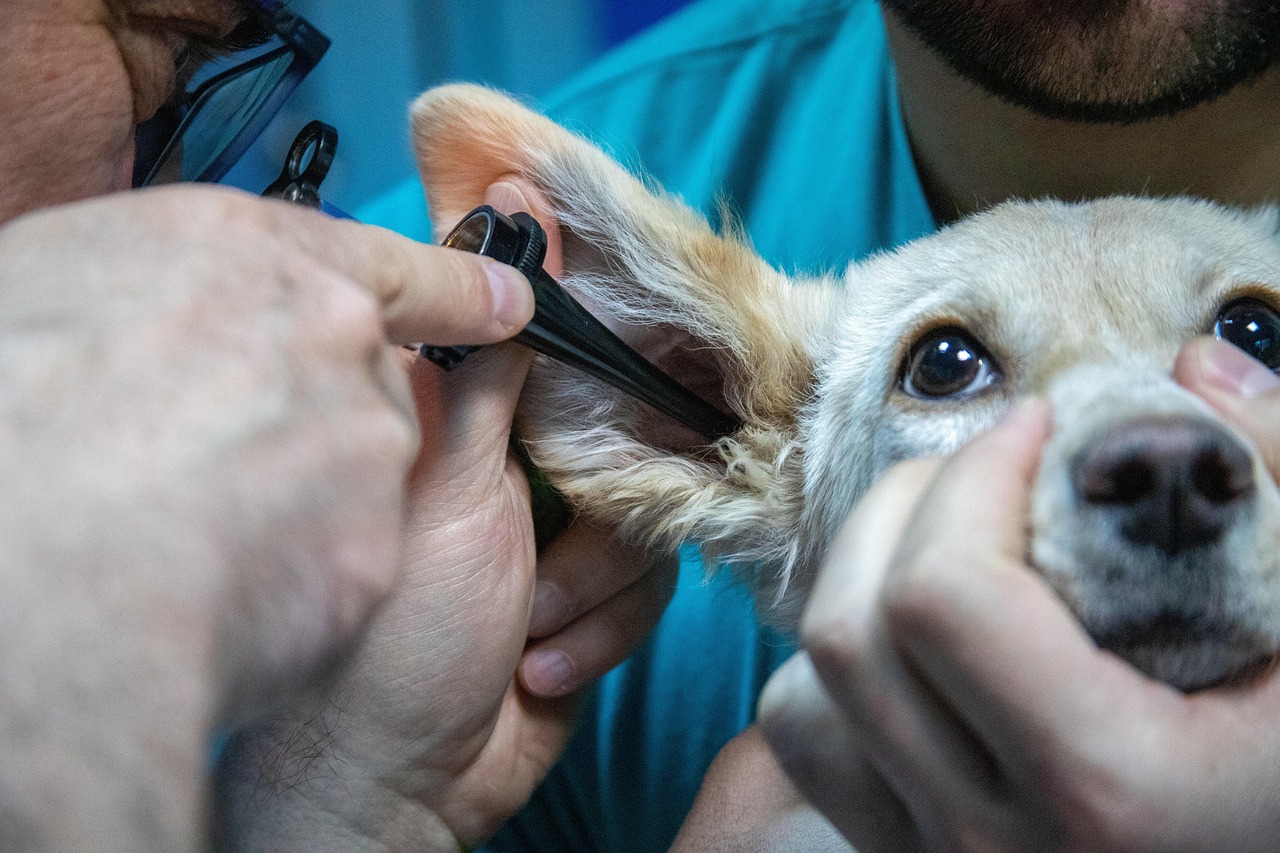
Recognizing the symptoms of ear tumors in dogs is essential for timely diagnosis and treatment. Symptoms may include excessive scratching at the ears, head shaking, and a change in ear odor. Some dogs may exhibit signs of pain or sensitivity, particularly when their ears are touched. Additionally, it is not uncommon for dogs with ear tumors to experience discharge from the ear canal, which may be bloody or have an unpleasant smell. Dog owners should document any changes in their dog’s behavior and ear health. If noted, visiting a veterinarian promptly can lead to a comprehensive examination. Diagnostic methods may involve otoscopic examination, cytology, or imaging techniques to assess the tumor’s structure. The veterinarian’s expertise is invaluable in interpreting these results, thus guiding the treatment plan. Comprehensive testing also helps to rule out other conditions, ensuring an accurate diagnosis. Understanding these symptoms can help pet owners act swiftly, reducing the risks associated with late-stage diagnosis. Education about ear health is vital for maintaining a dog’s overall well-being as prevention can often mitigate serious issues associated with tumors. Keeping a constant watch on any changes is a responsible approach.
When it comes to the treatment of ear tumors, various options are available. Surgical intervention is the most common and often the most effective method of treatment. During surgery, the tumor and any affected surrounding tissue are removed to achieve clear margins. Post-operative care is crucial; pet owners should monitor their dogs for any signs of complications, such as infection or pain. Alongside surgery, other treatment modalities like chemotherapy or radiation therapy may be necessary, especially for malignant tumors. The choice of treatment relies heavily on factors such as the tumor type, size, and location. Vets will provide tailored recommendations based on each individual case. Additionally, the potential benefits and risks of each treatment should be discussed. Owners should also be educated on possible side effects and the importance of follow-up appointments, which allow for monitoring of the dog’s condition. This comprehensive strategy ensures that the chosen treatment aligns with the dog’s health status. By remaining engaged during the treatment process and following veterinary advice, owners can significantly contribute to their dog’s recovery and overall ear health moving forward.
Preventive Measures for Ear Health
Preventing ear tumors in dogs involves maintaining overall ear health through regular cleaning and check-ups. Owners should establish a routine for checking their dog’s ears, looking for any abnormalities or signs of infection. Cleaning the ears gently with appropriate solutions can help prevent the buildup of moisture and wax, reducing the likelihood of infections that can lead to tumors. It’s vital to consult with a veterinarian about the safest and most effective cleaning products for dogs. Furthermore, dogs with floppy ears may be more prone to ear issues and require more frequent checks. Ensuring that your pet is in good health through balanced nutrition may also contribute to strengthened immune function, which fights off potential issues. Keeping an eye on your dog’s grooming routine can also prevent matting of hair around the ears, thereby reducing irritation. Additionally, staying vigilant about general wellness, including vaccinations and parasite control, ensures a healthy dog. By incorporating these preventive measures, owners can significantly contribute to their dog’s ear health, potentially decreasing the risk of tumors and other related issues. Ultimately, an ounce of prevention is worth a pound of cure.
Understanding the prognosis for ear tumors in dogs can provide peace of mind for pet owners. The outcome largely depends on the tumor type, whether it is benign or malignant. Generally speaking, benign tumors have a favorable prognosis following surgical removal. In contrast, malignant tumors may require a more aggressive treatment approach and are often monitored closely post-treatment. The long-term health of the dog will depend on timely intervention and adherence to veterinary recommendations. After treatment, regular check-ups are vital to assess the dog’s ongoing health and to detect any recurrence of tumors. Owner awareness is key in noticing any changes that may occur post-treatment. It is also significant to consider the dog’s overall weight, activity level, and general health during this time. Additionally, emotional support for both the dog and the owner is integral to the recovery process. Families are encouraged to reach out to their veterinarian for guidance, as they can help manage expectations and provide resources for additional support. Overall, being proactive about ear health can lead to a positive outcome for dogs diagnosed with ear tumors.
Conclusion
In conclusion, ear tumors in dogs can be a critical issue, but awareness and early intervention can lead to successful outcomes. Pet owners must prioritize ear health to mitigate potential risks associated with tumors. By recognizing symptoms and understanding treatment options, individuals can advocate for their pet’s health effectively. Seeking prompt veterinary care ensures accurate diagnosis and intervention, leading to better prognoses. Regular ear examinations are essential practices for maintaining overall health, particularly for predisposed breeds. Furthermore, educating oneself about ear health and conditions like tumors is vital for responsible pet ownership. Treatment may vary based on tumor characteristics, and support from veterinary professionals can help navigate these decisions. Preventive measures, such as regular cleaning and monitoring, can play a significant role in ear health. Finally, understanding the implications of a dog’s diagnosis is crucial for owners, who should engage actively with their vet regarding treatment and recovery. Together, these actions can foster a better quality of life for dogs and provide peace of mind for owners concerned about ear health issues.