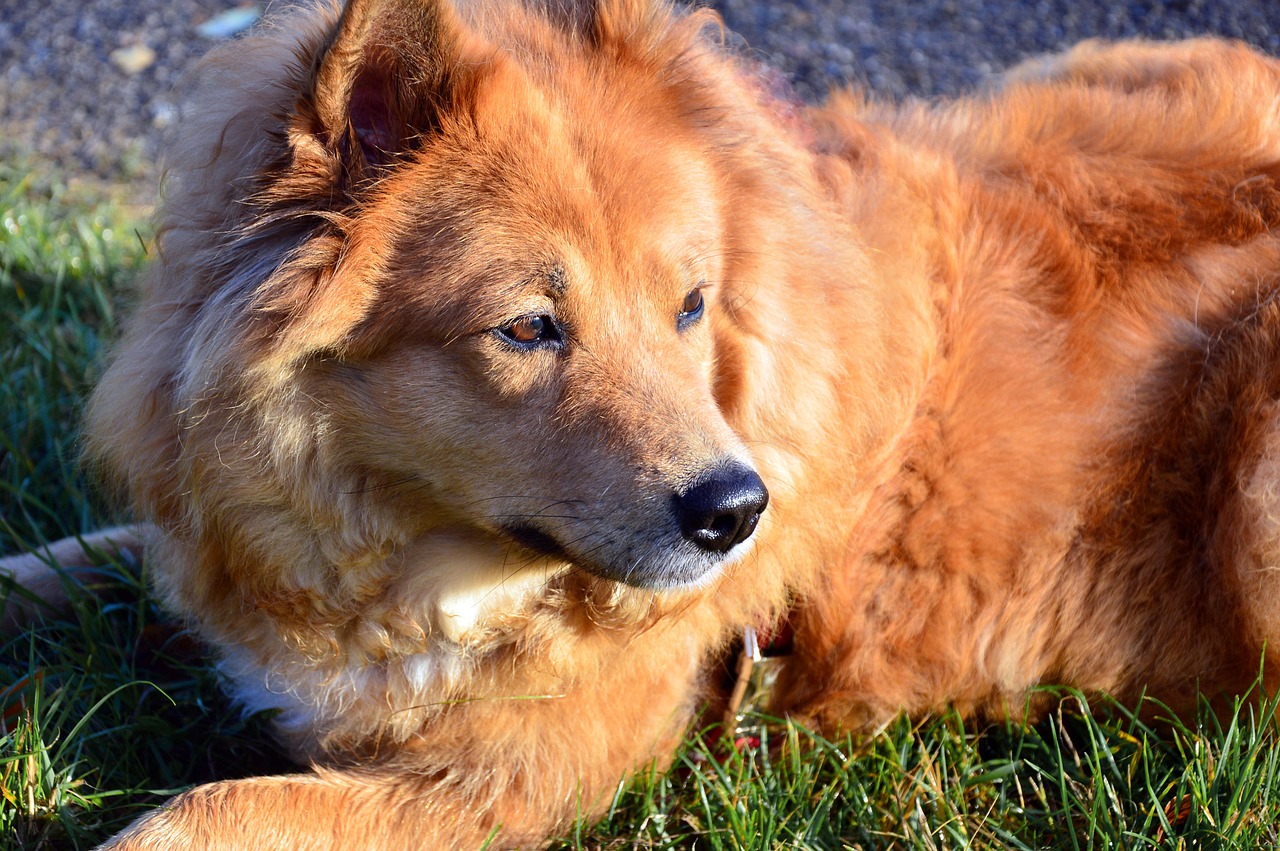

Essential Documents Needed for Therapy Dog Insurance Applications
When applying for therapy dog insurance, it is crucial to gather essential documents to ensure a smooth process. First and foremost, you will need proof of your dog’s training and certification as a therapy animal. This documentation is often provided by certified organizations that outline your dog’s capabilities. Next, a health certificate from a licensed veterinarian confirms your dog’s overall health status. These health records should be recent and include vaccinations, any medical treatments, and conditions. Additionally, you may be required to submit a behavior assessment report. These assessments can help insurers understand your dog’s temperament and suitability as a therapy animal. Another important document is your identification, including a valid driver’s license or other identification proving your identity. Lastly, any previous insurance documentation regarding your pet, such as cancellation letters or claims history, will also be beneficial for your application. This compilation of documents is vital for ensuring your therapy dog is properly insured while providing its invaluable emotional support in various settings. Proper preparation will aid your application process significantly.
Understanding the specific requirements of your chosen insurance provider greatly benefits your therapy dog insurance application. Different insurance companies may require unique documents or additional information beyond the basics. Before starting your application, review the insurer’s website or contact their customer service. They can clarify the necessary paperwork and guide you through their processes. Some insurers might request comprehensive profiles on therapy dogs, including their roles and history of therapy work. Keeping all necessary documentation organized can facilitate a smoother application process. Beyond standard documents, you may also need to provide financial details like income statements and tax documents. These aspects help underwriters ascertain whether you meet their coverage qualifications. It remains essential to maintain transparency with your chosen provider throughout the application, ensuring they receive accurate information regarding your dog’s health and training. It can prevent issues in the future when filing claims. Prioritize creating a checklist of documents based on the feedback from your insurance provider; this will keep your applications clear and straightforward. Meticulous preparation leads to more favorable terms in your therapy dog insurance policy.
Health Documentation for Your Dog
Health documentation is perhaps the most critical component of your therapy dog insurance application. A comprehensive health record should not only outline your dog’s vaccination history but also provide detailed descriptions of any previous health issues. This record should be from a licensed veterinarian, as it serves as proof that your dog has undergone regular wellness checkups. Including documentation of treatments related to specific conditions can also be useful. Additionally, it’s vital to ensure that your dog is up-to-date with vaccinations; many therapy animals are required to have certain inoculations such as rabies or distemper. Regular dental check-ups can also be included in the health documentation if applicable. Having organized details of preventative care will provide reassurance to potential insurers about your dog’s health status. In some cases, ongoing medications or supplements should also be documented, demonstrating you are proactive in maintaining your dog’s well-being. All these elements combined will help convey to the insurance company that you are a responsible pet owner, and they can offer you a suitable policy with confidence.
When it comes to training documentation for your therapy dog, clear records are indispensable. These must show proof of completed training programs from recognized entities. Certificates can significantly bolster your application, as they validate your dog’s qualifications as a therapy animal. Many therapy programs require standardized training, offering a great advantage when seeking insurance. You might want to include letters or references from trainers or organizations that have rigorously assessed your dog’s skills. These endorsements can add extra credibility, portraying your dog as a reliable therapy candidate. In some cases, insurers might require ongoing training documentation as well, showcasing that your dog’s skills are regularly updated. Ensure that all training documentation is replicated and kept accessible in both digital and physical formats. Doing so can be convenient when dealing with different insurance companies or their representatives. Always seek to include any specialized training your dog has undertaken, such as working with specific populations like veterans or those with disabilities. All of these elements together will fortify your therapy dog’s profile, ensuring you select the best coverage available.
Application Process and Requirements
The application process for therapy dog insurance entails a structured approach, requiring attention to detail throughout. Start by selecting suitable insurance companies specializing in pet insurance, particularly for therapy animals. Many insurers offer online applications, streamlining the process considerably. After gathering all required documents, ensure that they are scanned and saved in formats acceptable to the insurance provider. Completing the application form accurately is crucial; taking time to double-check all entries will prevent errors. Applicants must provide information such as personal identification, contact information, and details about their therapy dog. This includes the dog’s age, breed, and previous experiences working as a therapy animal. If you have any claims history from previous insurance, be ready to provide this during your application process as well. Once submitted, allow time for the insurance provider to review your application. They might reach out for further clarification or additional information if needed. Patience is essential during this phase, as ensuring everything is in order will ultimately support prompt and affirmative responses from the insurance company.
Once your therapy dog insurance application is approved, it is wise to review the policy thoroughly. Most policies will have terms and conditions delineated clearly, articulating what coverage is provided and the exclusions that may apply. Reading through these documents carefully helps identify essential aspects such as coverage limits, deductibles, and premiums payable monthly. You may discover that various coverage options are offered, such as liability protection relating to your therapy dog’s required duties. Understanding these elements ensures that you remain aware of what financial obligations you may encounter. Additionally, familiarize yourself with the claims process outlined in the policy to be prepared should any incidents arise. Ensure that you save a copy of your policy documents in a secure location and always keep these documents accessible. At times, you might want to update your insurance policy if your dog’s role expands into other areas of need or if your living situation changes. This diligence will ensure you receive adequate support for ongoing needs as a responsible therapy dog owner, and you retain peace of mind for both you and your canine companion.
Maintaining Your Insurance
Maintaining your therapy dog insurance is an ongoing commitment that ensures continued protection. Regularly evaluate your policy to confirm it aligns with your current needs, especially if your therapy dog takes on new responsibilities or you move to a different area. Annual policy reviews allow you to check if the premiums remain competitive relative to coverage options. Stay in contact with your insurance provider to inquire about potential discounts for good claims history or added training courses your dog completes. Should your dog experience any changes in health or behavior, report this to your insurer promptly; transparency is vital. Additionally, if you enroll your dog in further training programs, share this information, as it may lead to enhanced coverage options. Always keep copies of any amendments to your policy, ensuring everything is documented and stored safely. Lastly, communicate any changes in your contact details to your insurer; this enables them to reach you swiftly in the case of emergencies or updates about your policy. Taking these steps diligently not only maximizes the benefits of your insurance but also guarantees peace of mind for you and your therapy dog.
In conclusion, ensuring that you hold the necessary documents for your therapy dog insurance application is integral to facilitating effective coverage. These documents encompass health records, training certifications, and personal identification, all of which highlight the importance of responsible ownership. Throughout the application process, being organized and thorough ensures that your application is met with a positive response. Always remain engaged with your insurance provider to address any updates required for existing policies. As your therapy dog serves in various roles throughout its life, maintaining comprehensive insurance safeguards both you and your beloved animal companion. This ongoing relationship with your insurer builds trust that reflects a commitment to responsible ownership. By adhering to these guidelines and preparing aptly, you empower yourself to provide a safe environment for your dog, while equally attracting support in times of need. With the right insurance in place, confident pet ownership enables therapy dogs to make an impactful difference in the lives they touch. Adopting such measures ensures mutual benefits, particularly as therapy dogs continue to flourish as invaluable assets in emotional support and healing.