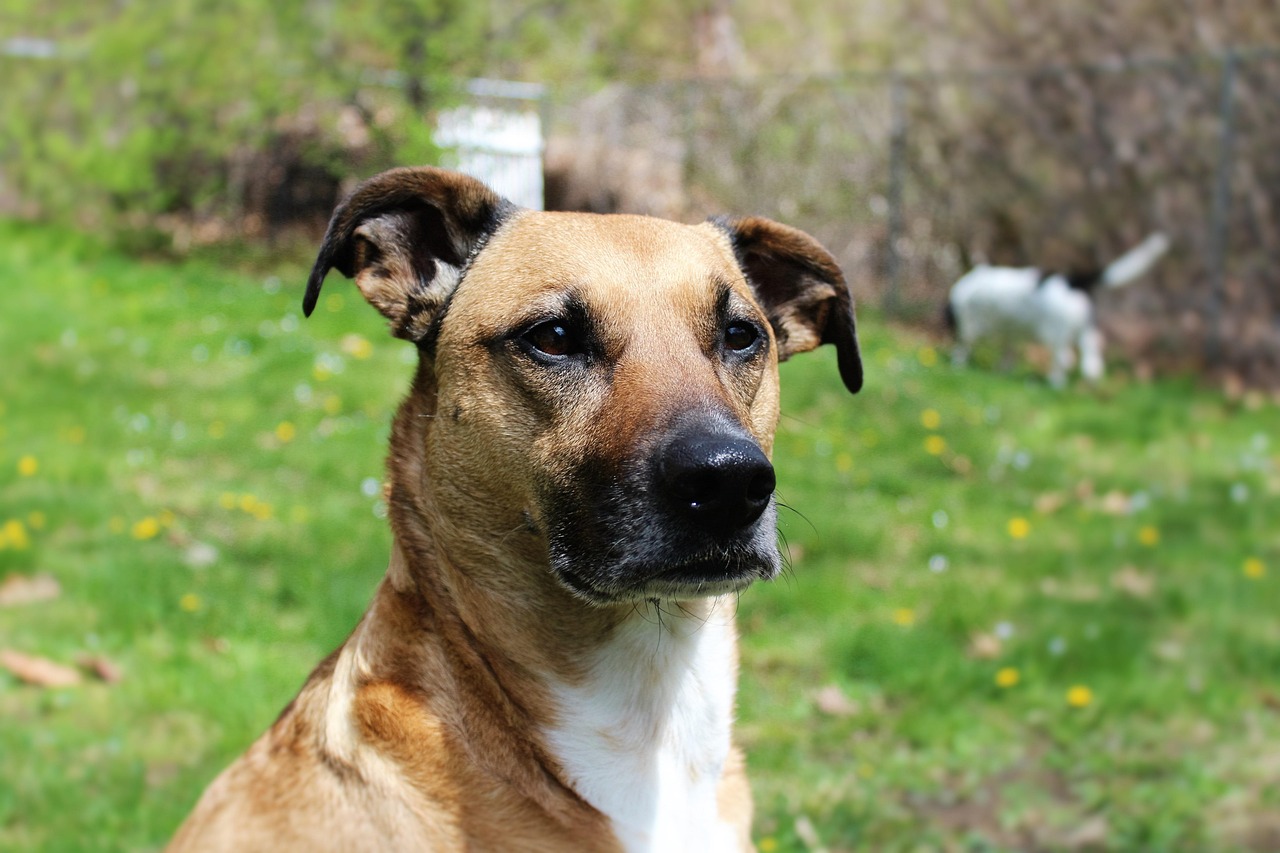

Fear and Anxiety in Rescue Dogs: Special Considerations
Understanding fear and anxiety in rescue dogs is critical for successful rehabilitation. These dogs often experience overwhelming feelings due to past trauma or neglect. It’s crucial to recognize the signs of anxiety, which can manifest as excessive barking, destructive behavior, or withdrawal. Owners should be patient as they work through these issues with their dogs. Building trust takes time, and using positive reinforcement training can significantly help. Socialization is a key aspect for any dog, especially rescues who may struggle in new environments. Gradual exposure to different situations can ease their anxiety. Furthermore, establishing a consistent routine can provide a sense of security for them. Safety in the environment is paramount; avoiding loud noises and sudden movements can help reduce stress. Owners should also explore various calming techniques such as aromatherapy or anxiety wraps. Seeking professional help from trainers who specialize in canine behavior can also be beneficial. Understanding a dog’s unique needs is essential in helping them cope with fears and anxieties effectively. Reminding ourselves that healing is a journey can foster patience and compassion in the owner-dog relationship.
Each rescue dog’s history shapes its behavior, including how fear manifests. Factors such as breed, previous experiences, and individual personality contribute greatly to overall anxiety levels. For instance, some breeds are inherently more anxious, while others may already have fears associated with specific stimuli. Rescue organizations can provide valuable information about a dog’s background, which can guide owners in their approaches. It is advisable for owners to be observant and sensitive to their dog’s reactions. Identifying triggers—such as certain sounds, environments, or types of people—can help in developing appropriate strategies for desensitization. Gradually exposing the dog to these stimuli while rewarding calm behavior is an effective technique. Creating a safe space within the home, such as a designated calming area with comfortable bedding, toys, and minimal disturbances, could also greatly aid the dog’s mental state. Additionally, providing mental stimulation can help alleviate anxiety; puzzle toys, training exercises, and interactive play are essential. Monitoring the emotional responses of rescue dogs is critical to ensuring they do not feel overwhelmed or anxious in their new environment.
Signs of Fear and Anxiety
Recognizing signs of fear and anxiety in rescue dogs is essential for intervention and support. Common symptoms to watch for include cowering, tail tucking, excessive barking, or attempts to hide. In some cases, dogs may exhibit destructive behaviors, which can be misunderstood as mischief rather than a cry for help. It is also essential to be aware of avoidance behaviors. If a dog consistently avoids certain people or places, it can indicate unresolved fears. A dog may also exhibit physiological signs, such as drooling or rapid panting, especially in stressful situations. Understanding that each dog exhibits fear differently is crucial; one dog may bark loudly, while another might become completely still. Creating a checklist of signs specific to your dog can aid in identifying when they are anxious. Monitoring body language, such as stiff stance or dilated pupils, can also help owners intervene effectively. Consistent observation allows for immediate action during triggering situations, providing reassurance to a fearful dog. Owners should celebrate small victories when their dog confronts fears successfully, reinforcing positive behavior and encouraging gradual progress.
Training techniques play a vital role in managing fear and anxiety in rescue dogs. Positive reinforcement, based on rewarding desirable behaviors, can create a positive feedback loop, encouraging dogs to feel secure in their environment. Owners should focus on incremental training sessions, rather than overwhelming their dogs with too much information at once. Short, regular training exercises encourage the dog to succeed and build confidence. Social skills and basic commands can be taught through engaging games and treats, ensuring the experience remains enjoyable. Furthermore, it is essential to incorporate desensitization methods into the training regimen. This can involve safely exposing the dog to anxiety-inducing stimuli in a controlled manner. Gradually increasing exposure can help the dog learn to associate these triggers positively. Incorporating calming tools, such as calming music or secure items with familiar scents, can further assist in the training process. Consulting a professional dog trainer who specializes in anxiety can be incredibly useful. Their expertise offers tailored training plans to suit the dog’s unique needs, helping accelerate the learning process while ensuring emotional stability.
Environmental Changes
Making necessary environmental changes can greatly improve a rescue dog’s sense of security. A tranquil home environment, free from chaos and loud noises, can alleviate stress and anxiety. Setting up a specific area for the dog, filled with comforting items, can foster a safe refuge. It is crucial to establish consistent rules and routines, which provide predictability for anxious dogs. A daily schedule that includes feeding, walks, and playtime can help a dog adjust and feel secure. Gradual introductions to family members and pets can also aid the rescue dog in adapting to its new family dynamic. Setting appropriate boundaries will ensure the dog does not feel overwhelmed. It can also assist in controlling the dog’s breeding instincts, especially if there are signs of aggression or anxiety. Regular exposure to varying environments can slowly build the dog’s confidence. This can also involve visiting calm parks or going for quiet walks. Evaluating the surrounding environment for stressors like loud vehicles or erratic movements can effectively alleviate anxiety. Owners must take an active role in creating a positive atmosphere conducive to a rescue dog’s emotional comfort.
Providing mental stimulation is an essential component in easing anxiety for rescue dogs. Engaging their minds through interactive toys or training exercises can significantly distract them from fearful thoughts. Activities like hide-and-seek, scent games, or puzzle-solving can effectively reduce stress. Owners should look for opportunities to keep their dogs engaged and entertained, as boredom can lead to increased anxiety. Outings to pet-friendly cafes or dog parks can also foster socialization while providing mental challenges. Regular exercise is equally important; physical activity helps to release pent-up energy, which can exacerbate anxiety. Daily walks or playtime sessions can offer both physical and mental stimulation. It is essential to strike a balance between exertion and relaxation, ensuring your dog has time to decompress after energetic activities. Developing a routine of alternating between high-energy play and quiet relaxation can promote harmony. Furthermore, incorporating training sessions within their daily structure not only strengthens the bond with the owner but also helps build confidence. Observation and experimentations with various activities can help determine which ones best captivate the dog’s interests.
Seeking Professional Help
Sometimes, professional help is necessary to address severe fear and anxiety in rescue dogs. Understanding the importance of enlisting the guidance of a certified trainer or animal behaviorist can be invaluable. These professionals can assess your dog’s behavior comprehensively and develop customized strategies based on observations and assessments. It is essential to communicate openly and effectively with the professional, providing thorough information about the dog’s history and behavior patterns. Professional trainers often utilize scientifically backed methods that ensure a humane approach to behavior modification. Furthermore, they can support owners in employing proper techniques to reinforce positive behaviors while eliminating undesirable ones. Behavioral therapy, along with training, can provide deeper insights into the dog’s psyche, helping to bridge the gap between owners and their pets. Additionally, incorporating therapy options, such as TTouch or other calming methods, into the plan can bring about great improvements. Group classes can further enhance social skills and reduce anxiety in a supportive environment. Seeking out nearby resources or online consultations can initiate the road to recovery, ensuring that the dog receives compassionate love and guidance.
Finally, understanding that recovery takes time and patience is vital when addressing fear and anxiety in rescue dogs. Rescues often carry the emotional weight of their past, making patience absolutely essential in the process. Every small step forward should be celebrated, reinforcing the bond between the owner and dog. It is crucial to remain consistent and never punish a dog for reacting fearfully; this can worsen anxiety. Instead, provide reassurance during moments of fear and highlight positive behaviors. Establishing a support system through veterinarians, trainers, and fellow dog owners can also be beneficial for both dogs and their handlers. Regular check-ins and discussing progress can help maintain motivation and create a network of shared experiences. Keeping an open mind to new methods and researching various approaches can provide fresh perspectives on overcoming challenges. Owners should stay informed about the latest developments in canine behavior to continually find effective techniques. Engaging in ongoing education benefits both the dog and owner, allowing for more effective communication and wellness. Above all, compassion and understanding should guide the journey of healing for both parties involved.