
Protecting Your Dog’s Paws During Outdoor Activities
When engaging in outdoor activities with your dog, it is crucial to prioritize their paw safety. Their paws are sensitive and can suffer from various outdoor elements like hot pavement, rough terrains, and sharp objects. Consider always inspecting the ground before you walk your dog. If the surface feels too hot for your hand, it’s likely too hot for your dog’s paws. Invest in high-quality dog booties designed for protection against harsh conditions. They can provide insulation from hot or cold surfaces, and the added grip can prevent slips on uneven ground. During walks, be mindful of your dog’s interaction with different terrains. Be aware that some surfaces may cause abrasions or burns. After walks, routinely check their paws for any signs of injury or irritation. Immediately address cuts or debris lodged in their paw pads. Keeping their claws trimmed can also enhance their paw comfort while exercising. If you live in an area with extreme weather, consider paw balms designed to moisturize and protect the paw pads. Overall, putting your dog’s paw safety first sets the stage for enjoyable outdoor adventures.
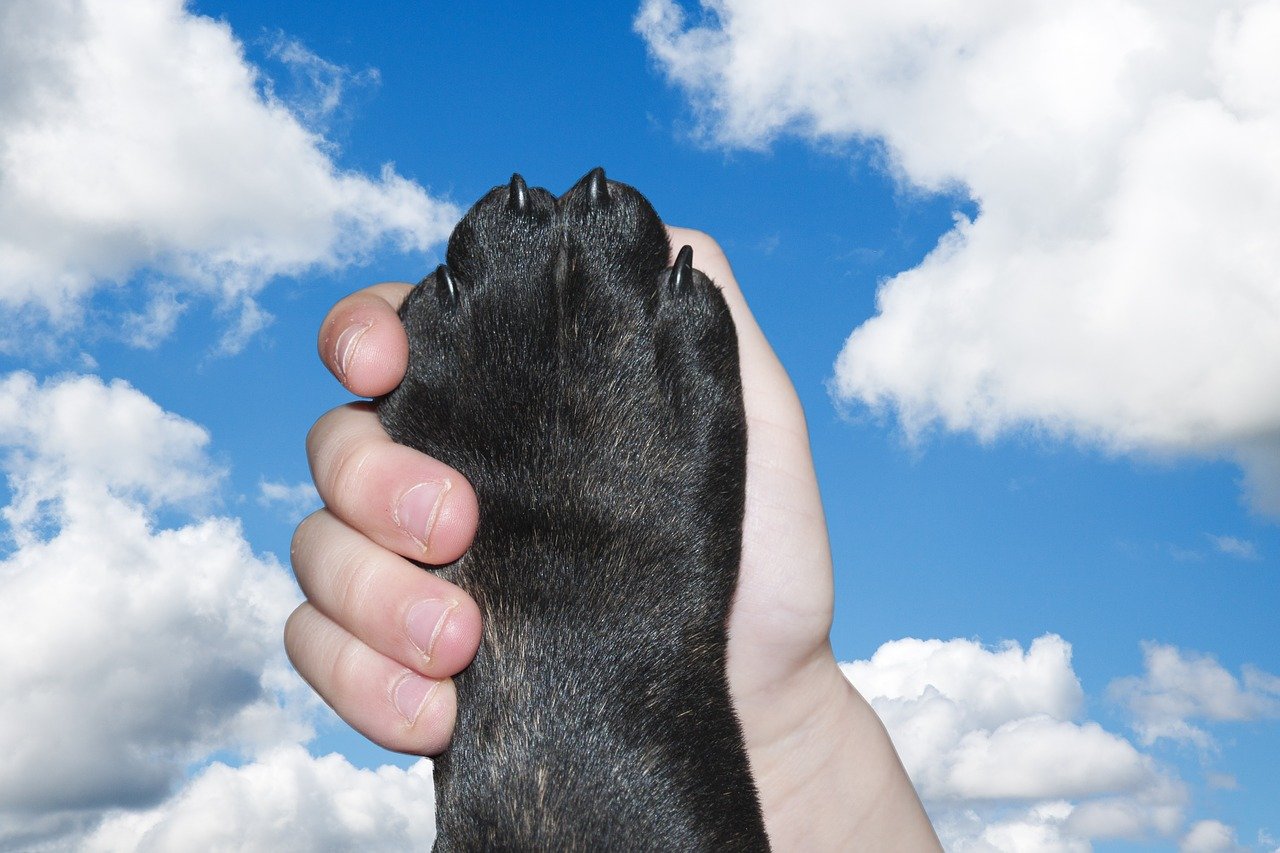
Additionally, understanding the signs of potential paw injuries is important for dog owners during outdoor activities. Dogs cannot communicate discomfort in the traditional sense, so being observant is critical. If your dog is limping or reluctant to walk, that may indicate an injury. Watch for excessive licking around the paws, as this behavior can signal irritation or pain. Take a moment to examine their paws closely when you notice these behaviors. Look for cuts, redness, or swelling that may need immediate attention. If you suspect an injury, limit the activity level of your dog to allow healing time. Depending on the extent of the injury, it may be advisable to consult a veterinarian for treatment. Ensure your dog does not engage in high-energy activities until fully healed. It’s vital to have a first-aid kit ready for your dog during outdoor explorations, containing items like antiseptic wipes and gauze. Educate yourself on basic first-aid procedures to manage minor injuries while on-the-go. Proper knowledge can significantly ease your worry and ensure the safety of your beloved canine companion during outdoor adventures.
Choosing the Right Walking Areas
When planning outings with your dog, selecting the right walking areas can greatly enhance their paw safety. Avoid busy streets and high-traffic areas where cars and bicycles may pose threats. Instead, opt for parks with grassy surfaces that provide a softer, more forgiving environment for their paws. These locations typically have fewer sharp objects that could cause injuries. However, be aware of any harmful plants or substances that might be present in the park. Always check for signs indicating hazards, specifically in trails or natural areas where wildlife may leave sharp objects. Look for trails less traveled that might be more natural but have more exposure to the elements. If you live in an urban setting, consider scheduling walks during cooler parts of the day when the pavement is cooler. Always have a plan in case your dog gets overwhelmed by noise or crowds. A well-chosen walking area not only promotes paw protection but also encourages your dog to enjoy their outdoor time more effectively. Above all, keep your dog’s preferences in mind; some dogs may thrive in quieter or familiar environments.
Incorporating regular paw maintenance into your dog’s routine dramatically increases safety during outdoor activities. Regular inspections are vital to ensure their paw health. After each outdoor adventure, check for any debris or punctures between their paw pads. Also, be on the lookout for any signs of redness or swelling, particularly after walks on rough terrains. If their paw pads are dry, consider moisturizing with a vet-approved paw balm. Furthermore, maintaining a proper nail trim is essential. Overgrown nails can lead to discomfort and potential injuries when walking or running. Establish a regular grooming schedule to include paw care, keeping the nails trimmed to an appropriate length. Consider professional help if this task feels overwhelming. There are specialized grooming services that can provide tips for maintaining the health of your dog’s paws. Regularly cleaning your dog’s paws also helps eliminate harmful residue they might pick up during walks. After walks, use wet wipes or a damp cloth to clean off any dirt, salt, or other irritants. Consistent maintenance leads to healthier and happier paws throughout your dog’s life.
Essential Gear for Paw Protection
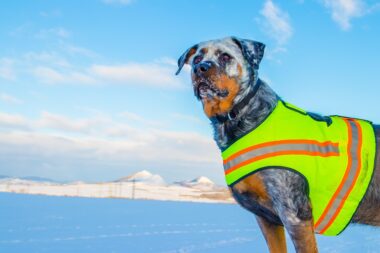
Equipping your dog with the right gear can significantly enhance their paw protection during outdoor activities. Dog booties are one of the most effective tools to safeguard against rough terrains. They shield against hot pavement in the summer and icy surfaces in winter, making them essential for keeping paws safe year-round. When purchasing booties, ensure they fit snugly without being too tight, as discomfort can lead to resistance when wearing them. Look for booties with an anti-slip grip to help your dog maintain traction on various surfaces. Additionally, paw wax can offer a protective layer, preventing moisture from penetrating and causing damage. This wax is especially beneficial in snowy conditions, providing a barrier against ice clumping between paws. If your dog doesn’t like booties, consider using a hydrating paw balm before walks, creating a slick barrier against the ground. In some regions, reflective gear is important for visibility during evening walks. A visible dog is a safe dog, so investing in reflective leashes or harnesses can be beneficial for both dogs and owners.
Training your dog to accept paw protection gear can be a valuable part of keeping them safe. Introducing booties gradually helps your dog become accustomed to having something on their paws. Start by letting them wear the booties indoors for short periods while rewarding them with treats. Gradually increase the duration and allow them to walk outside in a safe environment. Pair this with positive reinforcement to encourage willingness to wear the gear without issue. Each session involves plenty of praise, creating a positive association with the product. Monitor their behavior while wearing the protection to ensure they adapt comfortably. Some dogs may need extra motivation, so consider fun walks or playtime after they successfully wear their booties. Always be patient and don’t rush the process, as forcing them could create a negative impression. Once they are accustomed to the feel of the booties, they’ll be better equipped for any outdoor adventure. Remember that consistent training builds confidence, ensuring your dog enjoys their time outside while maintaining paw safety.
Conclusion and Final Thoughts
Prioritizing your dog’s paw safety during outdoor activities is crucial for their overall well-being. By taking proactive steps such as using protective gear, regularly inspecting their paws, and choosing safe walking areas, you can significantly reduce the risk of injuries. Keeping a close eye on their behaviors allows for timely identification of potential problems. Overall, creating a routine that emphasizes paw maintenance will ensure your dog enjoys more outdoor activities without discomfort. Remember to educate others about the importance of paw care. Sharing tips and experiences can make a significant difference in your local community. If you’re ever in doubt about your dog’s paw health, don’t hesitate to consult with your veterinarian. They can offer tailored advice and effective products suitable for your dog’s needs. Whether it’s selecting the right gear or choosing the best trails, investing time and knowledge into dog paw safety promotes an overall healthier lifestyle for your furry friend. With proper care, you and your dog can enjoy many more wonderful adventures together outdoors.