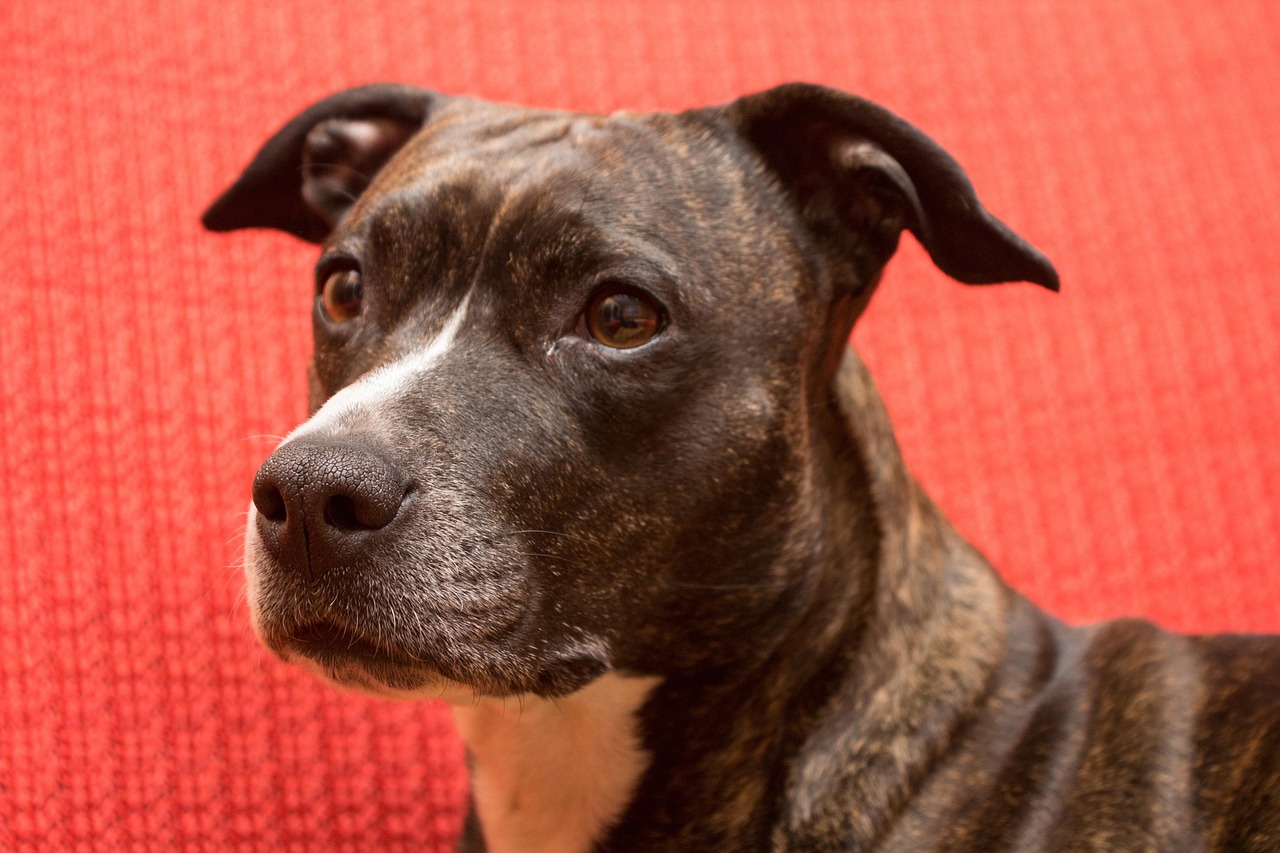

Understanding American Staffordshire Terrier Body Language
The American Staffordshire Terrier, often affectionately called the AmStaff, is known for its strength, intelligence, and loyalty. Understanding their body language is vital for any owner wanting to foster a deep bond with their pet. Body language can encompass a range of signals, from tail position to ear movement. A wagging tail may often indicate happiness, but it can also mean excitement or nervousness depending on other accompanying signs. Ears that are up and forward typically suggest that a dog is alert and interested in something, while ears pulled back might indicate fear. Moreover, when an AmStaff stands tall with a stiff body posture, it’s essential to assess the overall context; it could signal a protective instinct or assertiveness. Facial expressions can also be quite telling. A relaxed mouth and soft eyes often reflect contentment, while a tight-lipped muzzle may indicate discomfort or aggression. Recognizing these signals will not only promote a better understanding of your dog but also ensure safe interactions with others, both canine and human.
It’s important to create a trusting environment where your American Staffordshire Terrier feels comfortable expressing itself. When your dog feels safe, its body language will likely become relaxed and easy to read. In situations that induce stress, you might notice changes such as excessive panting, avoidant behaviors, or hiding. All these are signs of anxiety and should not be ignored. Approaching your AmStaff calmly can help alleviate tension. Offer it a safe space where it can retreat and observe its surroundings. Providing mental stimulation, like puzzle toys, can serve to keep your dog engaged, reducing anxiety levels. Environments with too many stimuli can overwhelm an AmStaff, leading to erratic behaviors. If your dog is showing signs of stress, it is crucial to identify the cause. This can include loud noises or the presence of unfamiliar animals, among other things. Socialization is equally important for minimizing anxiety. Gradual exposure to new experiences while observing your dog’s reactions can bolster confidence. In doing so, you’ll help your dog learn how to communicate effectively.
Common Body Language Signals
Recognizing common body language signals unique to the American Staffordshire Terrier will enhance your interaction with the breed. When your AmStaff is happy, its body language is relaxed; you might notice a wagging tail low to the ground. This is quite distinct from an alert or anxious wag that tends to be higher and more jerky. You’ll also often see the playful bow, where your dog stretches its front legs while keeping its hind end up in the air. This is an invitation to play! Conversely, a stiffened posture indicates your dog may feel threatened. In such cases, you may observe your AmStaff growling or showing teeth. Distancing themselves from a situation, such as moving away from a person or other dog, can also indicate discomfort. It’s critical to allow your dog to express these feelings as forcing interactions can lead to negative experiences. Remember, not only does improving your understanding of these signals help you communicate better, but your dog will also feel heard and respected.
Socialization and positive experiences play a significant role in shaping an American Staffordshire Terrier’s behavior. A well-socialized AmStaff will typically be more relaxed and confident in new situations. From an early age, it’s essential to expose your dog to different people, environments, and other dogs in controlled settings. Even simple trips to the park or participation in puppy classes can create lasting positive associations. Additionally, using treats and praise can reinforce good behaviors and calm body language. Positive reinforcement teaches your dog which behaviors lead to rewards, making them more likely to repeat those actions. Over time, you’ll notice how your dog’s overall demeanor shifts, becoming more comfortable and less anxious in various situations. Consistency is crucial; reinforcing behaviors that display relaxation and playfulness will promote a positive disposition. Conversely, if your AmStaff encounters negative experiences, it may show signs of fear or aggression. Understanding this connection between training, socialization, and body language fosters a deeper emotional bond that benefits both you and your AmStaff.
Understanding Fear and Anxiety
Fear and anxiety can affect an American Staffordshire Terrier’s body language dramatically. When a dog is fearful, you may see signs such as cowering, tucking the tail between its legs, or avoiding eye contact. These signals indicate your dog is uncomfortable and may need reassurance. Understanding your dog’s triggers is essential, whether it be loud noises, new environments, or strangers. Creating a safe space for your AmStaff can be beneficial. Allow it to have a designated area where it can retreat when feeling anxious. The use of calming products, such as anxiety wraps or diffusers, can also help soothe stressed dogs. Taking time for gradual desensitization can turn frightening situations into manageable experiences. This can involve slowly introducing your dog to new settings or scenarios with positive reinforcement when it shows calm behavior. Remember, patience is key; pushing your dog too quickly can exacerbate anxiety issues. Seeking advice from a professional dog trainer specializing in fear-related behaviors can also facilitate this process. Remember that each dog has its individual personality and reactions.
Another crucial aspect of recognizing American Staffordshire Terrier body language is being aware of specific cues indicating aggression or discomfort. When a dog begins to show warning signs—such as growling, raising hackles, or lunging—these are serious signals. They should certainly not be ignored. While these behaviors can sometimes be redirected through training, they require immediate attention. It’s essential to identify contributing factors, such as other animals or unfamiliar people nearby. Understanding the context behind these aggressive behaviors can help inform a proper response. Engaging in avoidance strategies, like removing your dog from uncomfortable situations, allows you to prevent potential escalation. It is important to learn when to step in and when to let your dog navigate its responses. Additionally, because of the American Staffordshire Terrier’s stocky build and strength, overly aggressive reactions can lead to serious outcomes. Establishing clear boundaries and offering consistent training will go a long way in fostering positive behaviors. The overall goal should always focus on ensuring safety while nurturing confidence in your dog.
Promoting Healthy Communication
In fostering healthy communication with your American Staffordshire Terrier, consistency and attention to body language play vital roles. A dog that feels understood and respected is more likely to develop healthy habits and a balanced temperament. Observing your dog’s reactions leads to a more humane interaction based on trust rather than fear. For example, when training commands, pairing verbal signals with consistent hand gestures can aid in your dog’s understanding. These visual cues can prompt desired behaviors, easing communication and reinforcing your bond. Affirmations through petting or treats can further encourage positive responses. Even small gestures, such as leaning into your dog while relaxing, reinforce trust. Being aware of your dog’s body language and responding accordingly can greatly reduce misunderstandings. This creates a smoother communication pathway between you and your AmStaff. Additionally, being proactive about training and preventing potential behavior issues is much easier when you understand your dog’s body language. The knowledge gained will allow you to construct an environment where your dog feels secure and loved, further enhancing companionship.
In conclusion, understanding body language in American Staffordshire Terriers is essential for fostering a strong, healthy relationship. Knowing how your dog communicates through various signals can significantly improve the quality of interactions. Each gesture, posture, and eye movement carries meaning—making it vital to watch closely. By observing these cues, you’ll also become more adept at recognizing when your dog feels threatened or content. The positive reinforcement of desirable behaviors strengthens the bond you share with your AmStaff while effectively addressing negative actions in a humane manner. With patience and understanding, you will create a robust foundation based on mutual respect and trust. This leads to a more confident, affectionate, and happy dog. Ensuring both you and your dog navigate life together—whether at home, during walks, or public spaces—requires constant attention to body language. Making this effort will not only enrich your relationship but also allow your American Staffordshire Terrier to thrive. In this exploration of canine communication, you unlock the potential for deeper companionship and joy in companionship. When both parties understand each other well, life is truly rewarding.