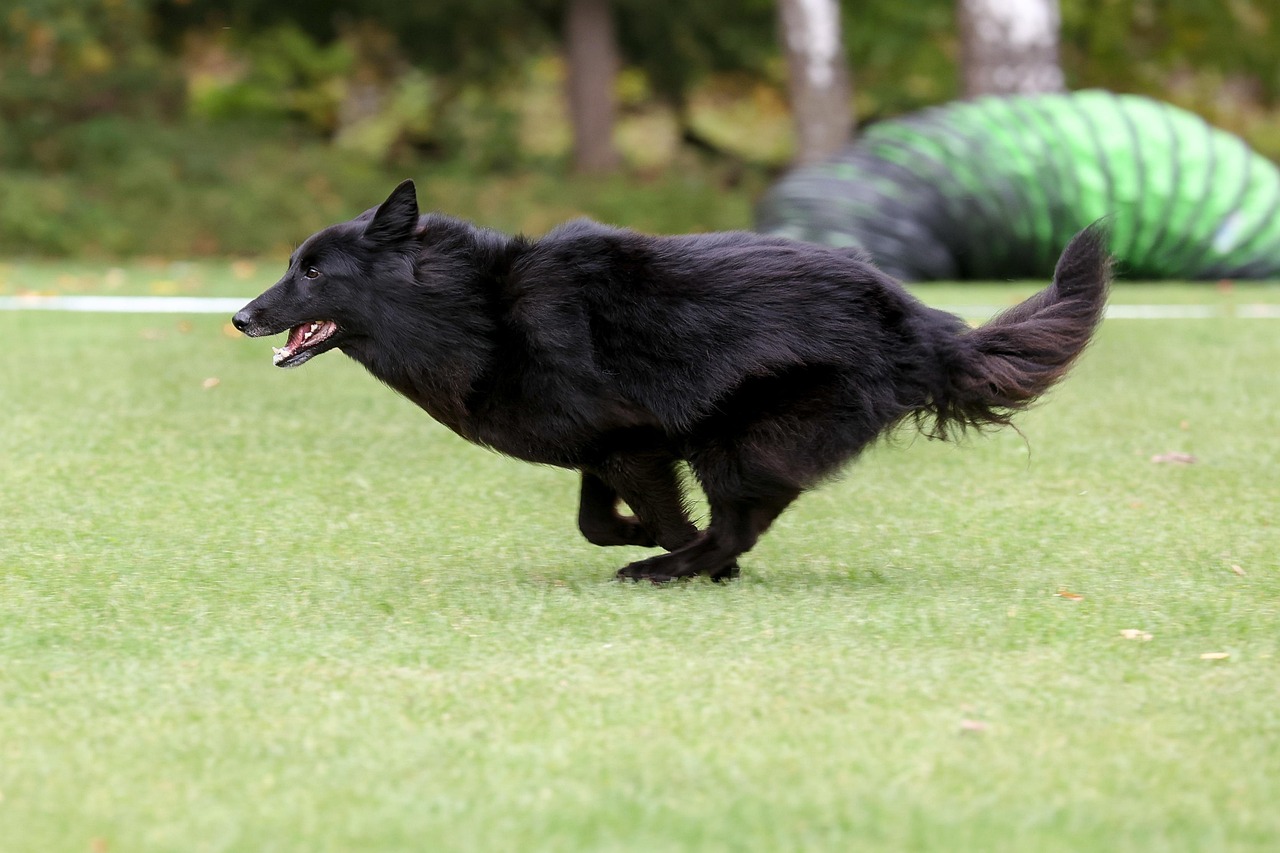

Using Group Classes to Improve Socialization and Agility Skills
Socializing dogs effectively is crucial for their overall development, especially in agility training. Group classes provide an ideal environment where dogs can interact with others, adapting to various stimuli in their surroundings. When dogs are exposed to different breeds, sizes, and temperaments, they learn essential social cues that help them behave well in diverse situations. This interaction not only enhances their confidence but also prepares them for agility training by encouraging them to focus amidst distractions. Trainers often emphasize the importance of a supportive atmosphere in these classes. Positive reinforcement techniques are commonly applied, allowing dogs to associate socializing with rewarding experiences. Additionally, owners can observe their dogs closely in these settings, gaining insights into their behavioral tendencies. Understanding these nuances can help foster better training methods in agility disciplines. Group classes are often structured to include specific exercises aimed at improving agility skills while promoting social interactions. Through structured play and agility drills, dogs become more adept at navigating challenges. Therefore, investing in group classes is an excellent choice for enhancing both socialization skills and agility performance.
One of the key benefits of group classes is the ability to learn from other dog owners and handlers. Observing various training techniques exhibited by different participants can provide valuable insights into effective methods for socialization and agility. Additionally, group settings often foster camaraderie among participants, creating a supportive community that encourages everyone to share their experiences and knowledge. This shared learning environment affirms owners as they witness their dogs improving alongside others. Furthermore, engaging in group classes promotes a sense of routine and discipline for both the dogs and their handlers. The structured environment helps establish learning patterns while preparing them for real-life scenarios. As dogs progress through training, practicing skills in the company of peers enables them to adapt to different social contexts. Thus, these interactions do more than simply socialize dogs; they enhance their overall capabilities. For example, handling distractions in agility training becomes easier with practice in group settings. Owners become more confident in their skills, further motivating them to participate actively. Consequently, group classes create solid foundations for improved socialization and agility skills among dogs.
Selecting the Right Class
When considering group classes for socializing dogs, selecting the right program is essential. Each dog’s needs differ, so tailored experiences can yield the best results. Research potential classes in your area, focusing on trainers with strong qualifications and positive reviews. Understanding the specific goals of the class should drive your choice. For instance, some might prioritize basic obedience, while others focus primarily on agility training. Additionally, it’s beneficial to observe a class before enrolling. This observation allows you to assess the trainer’s methods and how they handle different dog personalities. Look for classes that emphasize both socialization and agility, providing a balanced approach. Furthermore, the class size should also be considered. Smaller groups can often provide more personalized attention, leading to better outcomes for your dog. Ensure the environment is safe and conducive for learning, with enough space for agility exercises. Lastly, engage with the trainer about your dog’s specific needs. Clear communication will help ensure you receive the best guidance tailored for your dog’s success. Ultimately, the right class enhances socialization and prepares dogs for the demands of agility training.
Moreover, the role of positive reinforcement in these group classes cannot be overstated. Utilizing treats, praises, and rewards during training sessions significantly reinforces desired behaviors. Positive encounters, such as receiving treats for calm behavior around other dogs, help instill essential skills over time. Dogs begin to associate social interactions with pleasant experiences, leading to increased confidence among their peers. Additionally, it’s essential to match the reward to the dog’s motivation level, ensuring they remain engaged and responsive. The use of clicker training is also quite popular. This method provides a distinct sound to mark desired behaviors, making it easier for dogs to understand what they did right. In group environments, the diverse range of interactions creates opportunities for dogs to practice this learned behavior during agility drills. Consequently, positive reinforcement transforms challenging situations into fun and rewarding experiences, allowing dogs to thrive in both socialization and agility practices. As training progresses, handlers will notice situational awareness improving significantly. This improved focus is particularly beneficial, as it allows dogs to handle agility courses more effectively in various environments.
The Importance of Consistency
Consistency in training is vital for successful socialization and agility skills. Attending classes regularly fosters familiarity, which reduces anxiety in dogs. By consistently promoting exposure to various environments and interactions, dogs can develop well-rounded social skills. This notion of regularity extends beyond just attending classes; incorporating training exercises into daily routines can also yield positive results. Practicing commands and agility exercises at home solidifies lessons learned in classes, reinforcing skills. For instance, using simple commands while out for walks can enhance responsiveness to directives given during training sessions. Moreover, consistency leads to a rhythm that dogs can learn to anticipate, facilitating better focus on their owners. Handler engagement is crucial in creating a cohesive experience, which translates to agility training. By maintaining a routine, dogs become more adept at overcoming challenges posed by agility courses. Likewise, handlers develop stronger bonds with their dogs, resulting in improved performance through trust and communication. Reinforcing these connections ultimately enhances overall performance during agility competitions. Therefore, adopting a consistent approach allows both dogs and handlers to excel in socializing and agility training endeavors.
As you observe your dog progress through group classes, it’s important to celebrate their successes. Every little triumph contributes to the positive learning experience, helping build confidence alongside skills. Recognizing achievements in socialization and agility training reaffirms the bond between handler and dog. This acknowledgment can take many forms, from verbal praises to special treats after mastering new skills. Additionally, providing opportunities to showcase these newfound abilities can further boost confidence. Participating in local agility events or friendly competitions creates fun environments for both dogs and their owners. Such events foster a sense of accomplishment, sharpening the skills learned in class. Furthermore, interacting with other attendees broadens your network of fellow dog lovers, providing an opportunity to exchange ideas and experiences. Sharing stories of growth encourages a supportive community, ultimately motivating everyone involved. Keeping the atmosphere positive ensures that training remains enjoyable for both dogs and their handlers. Lastly, continue to assess your dog’s progress regularly. By identifying areas for improvement, you can adjust training approaches accordingly, ensuring continued growth and success in socialization and agility training.
Conclusion and Future Goals
In conclusion, utilizing group classes for socializing dogs enhances not only their interaction skills but also prepares them for agility training. As dogs learn to navigate a variety of social dynamics, their confidence grows, allowing them to face challenges with ease. Group settings foster camaraderie among participants, making training enjoyable and supportive. Moreover, trainers provide guidance on positive reinforcement techniques that solidify the principles of socialization and agility. The importance of selecting the right class that matches the dog’s unique needs cannot be overstated; thorough research and active participation play a significant role in maximizing results. Consistency in attendance and practice further cultivates these essential skills. Recognizing and celebrating achievements builds confidence among dogs, while participating in events offers an opportunity for owners to connect with others. As you and your four-legged friend continue on this journey, remember to establish clear goals that align with your training aspirations. By dedicating time and effort, you set the stage for lifelong benefits and experiences. Embrace this exciting journey of socializing and agility, as the rewards extend far beyond just training, enriching your lives together.
In the dog training community, continual learning is encouraged and pursued. Exploring new skills, agility techniques, or advanced socialization methods can keep the experience fresh and engaging. Consider enrolling in additional classes beyond the foundational ones. This commitment ensures dogs maintain their interest and enthusiasm in training. Engaging in specialty workshops can also be beneficial, offering chances to hone specific agility skills and practices. These workshops expose dogs to advanced equipment and obstacles, expanding their capabilities. Furthermore, the bonding experience between handler and dog grows stronger as they learn together in various settings. Establishing a rich training journey promotes not only skill-building but also lasting connections. Members of local training groups can also provide information about specialized classes or seminars in the area. These networks often assist in finding opportunities that address specific agility goals. Collaborating with other dog owners in enthusiast groups further enriches both training and socialization experiences. As you both progress, achieving milestones and adapting together creates a fulfilling journey that deepens mutual respect and confidence.