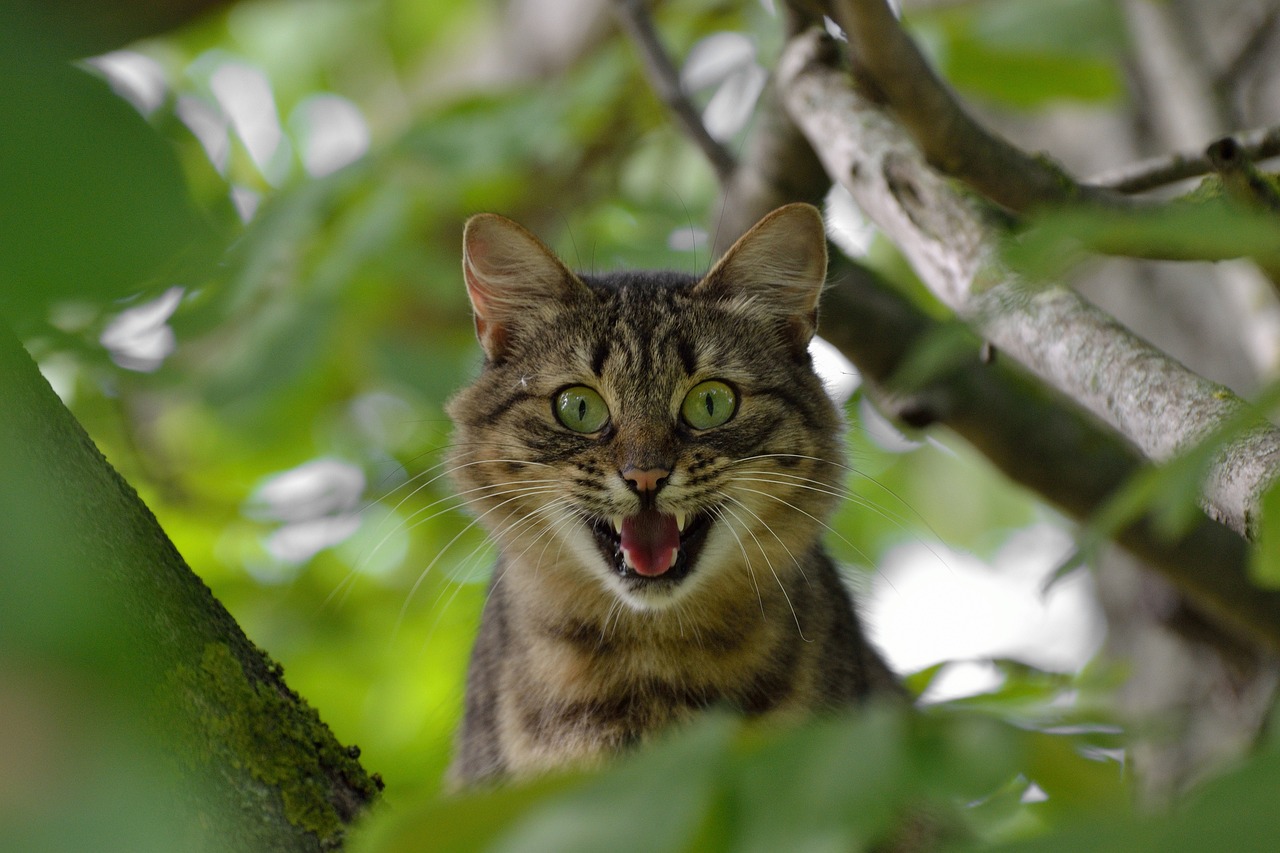

Using Positive Reinforcement to Curb Aggressive Behavior
Understanding aggression in multi-pet households is essential for harmony. Cats can exhibit aggressive behaviors due to various reasons, including fear, territorial disputes, or competition for resources. Recognizing your cat’s aggressive triggers is crucial. Each cat is unique, and their reactions differ based on their personalities, past experiences, and social dynamics. In a multi-pet home, aggression can lead to stress not only for the cats involved but also for the entire household. Owners must take a proactive approach to managing these aggressive incidents effectively. A well-structured environment can influence their behavior positively. Just like humans, cats thrive in environments where they feel safe and secure. This sense of security can be bolstered through positive interactions and reinforcement. Maintaining a structured routine, providing adequate resources, and ensuring plenty of hiding or retreat spaces can counter potential aggression. This strategy promotes peace and allows pets to navigate their territory without conflict. Understanding your cat’s behavior helps to create a stable environment where aggression can be significantly diminished, allowing for happier coexistence within your pet family.
Positive reinforcement is a powerful tool. By rewarding desirable behavior, you encourage the same actions in the future. In multi-pet households, this approach can be particularly effective in mitigating aggressive behaviors. Start by identifying specific, positive behaviors you want to reinforce. This could include calm interactions between cats, grooming, or playing together. When you notice these behaviors, immediately reward your cats with treats or praise. This strengthens the association between positive actions and rewards. Consistency is key; ensure you apply the rewards uniformly across both cats. This builds trust and encourages social interaction. Repeated positive reinforcement will gradually change the cats’ perception of one another, fostering friendly relations. Additionally, it’s essential to avoid punishment, which can exacerbate anxiety and aggression. Instead, focus on redirecting negative behavior toward more positive actions through encouragement and rewards. Remember, understanding the nuances of feline behavior requires patience and observation. The transformation may take time, but with regular practice, your multi-pet household can achieve a more harmonious environment. This strategy not only enhances relations between pets but also enriches the overall atmosphere of your home.
Creating a Positive Environment
Creating a positive environment for all pets is vital. Environmental enrichment plays a crucial role in reducing aggression in multi-pet households. Cats naturally enjoy exploring their surroundings, and providing avenues for stimulation can prevent boredom-induced aggression. Incorporate climbing trees, scratching posts, and puzzle toys to satisfy your cats’ instinctual needs. These activities promote physical and mental dexterity, keeping them engaged and happy. Additionally, ensure multiple feeding stations and litter boxes are available, which decreases competition. Spreading out resources allows each cat to feel less territorial. Designate safe zones where individual cats can retreat when feeling stressed or threatened. These areas should have comfortable bedding and toys, giving the cats ownership of their personal space. Incorporating playtime into your daily routine fosters bonding and creates positive associations among your pets. Teach gentle play behaviors through interactive toys, showing them that playing together can be fun. Observing your cats’ interactions can provide insights into potential triggers. By fostering a stimulating environment, cats can better manage their emotions, leading to decreased aggressive behaviors over time. This approach ultimately enhances the household atmosphere, promoting tranquility and harmony.
Introducing new pets to the household requires careful consideration. The process should be gradual and involve positive reinforcement techniques to ensure successful integration. When introducing a new cat, it’s essential to allow each cat to acclimate to each other’s scents first. Using bedding that has the scents of both pets can help with this process. Once they are comfortable with scents, start with supervised short interactions. Always monitor their body language for signs of stress or aggression. If one cat displays aggression, calmly separate them and give them time to cool off before trying again. Positive reinforcement during these interactions is crucial. Reward both cats when they display calm behavior in the presence of each other. Doing so encourages them to associate each other with positive experiences. Additionally, consider using pheromone diffusers designed to reduce stress, as they can create a calmer atmosphere during introductions. Maintain patience throughout this process. Some cats may require weeks or even months to adjust fully. Ensuring a gradual and supportive environment fosters trust and reduces the potential for aggressive encounters, ultimately leading to a more peaceful coexistence.
Observing and Understanding Triggers
Careful observation of your cats’ behaviors and routines is crucial in identifying triggers for aggression. Not every aggression stems from faulty behavior; sometimes, anxiety triggers aggressive responses. This may include loud noises, rapid movements, or other environmental stressors. By keeping a close eye on their interactions, you can gain valuable insight into when aggressive behavior occurs. For instance, consider noting times when aggression escalates, such as during feeding or when certain toys are present. Recognizing these patterns allows owners to modify their approach accordingly. You may need to implement specific changes to reduce these triggers. Consider adjusting feeding times, ensuring more separation during meal times, or monitoring playtime closely. Providing additional toys can also diffuse tension. Furthermore, understanding body language is essential. Signs such as hissing, swatting, and ears pinned back indicate discomfort. Responding to these signals promptly can prevent escalation. The focus should always be not just on reducing negative behavior but also on nurturing positive social interactions. Implementing these insights leads to a happier, safer environment for your multi-pet household.
Understanding the significance of each pet’s territory is paramount. Cats are territorial creatures, and the introduction of new pets can disrupt established hierarchies, leading to confrontational behaviors. To minimize territorial issues, ensure that all resources, including toys, climbing structures, and food, are abundant and evenly distributed. This way, each cat feels secure in its domain. Every cat needs its own space, equipped with essentials such as comfy bedding, food, and litter boxes. Creating vertical spaces by incorporating shelves or cat trees lets cats establish their safe zones. By allowing them to perch above their peers, they gain a sense of control over their environment. Also, make transitions smoother for all involved by taking things slow. Allowing exploration without forcing interaction promotes curiosity rather than aggression. Additionally, consider using calming supplements or pheromones, which can ease the transition and mitigate stress levels during introductions. Remember to regularly review their interactions, looking for signs of improvement or further issues. Responsible pet ownership involves continuous behavioral assessment to maintain harmony in multi-pet households while fostering love and care between all your pets.
The Power of Clicker Training
Clicker training is a highly effective method for modifying feline behavior through positive reinforcement. This technique utilizes a distinct sound, signifying that a reward will follow shortly. Incorporate this training into your household to help curb aggression by conditioning your cats to associate positive behaviors with rewards. Start sessions in a quiet space where cats feel comfortable. Use the clicker to mark desired behaviors, such as approaching another cat or playing gently. Reward them immediately after clicking, reinforcing these positive interactions. Regular training sessions help improve communication between you and your pets, promoting trust and understanding. Remember to keep training sessions short and engaging, roughly five to ten minutes. After several sessions, your cats will begin associating the click sound with positive experiences. Being consistent is crucial; it helps establish clear boundaries and expectations. As you observe changes in behavior, expand sessions and gradually incorporate more challenging interactions. Over time, clicker training can dramatically reduce hostile behaviors, enhancing social relations among your pets. This method thrives on patience and consistency, leading to a harmonious environment, free from aggressive outbursts between your beloved pets.
In conclusion, adopting positive reinforcement strategies is instrumental in managing aggression. Multi-pet households often bring unique challenges, but with the right techniques, improving the social dynamics among your cats is achievable. Every cat requires time, understanding, and patience to adjust to their companions. Because each pet has different triggers, fosters recognizing safe and enjoyable experiences. Ensuring every pet enjoys their resources signals security, reducing competitive anxiety. When using positive reinforcement, you are not only correcting unwanted behavior but also fostering a loving and accepting environment. Rewarding friendly interactions enhances bonds between pets and encourages their overall happiness. Addressing aggression with empathy allows you to cultivate a space where enjoyment outweighs fear or anxiety. Work attentively with your pets, celebrating small victories and encouraging good behaviors. Over time, your multi-pet household can transform into a harmonious and loving sanctuary for all. Remember, prevention is more effective than correction. Establish routines and provide sufficient enrichment from the beginning to ensure a peaceful atmosphere. Ultimately, an environment filled with love, understanding, and well-structured interactions leads your pets to thrive together.