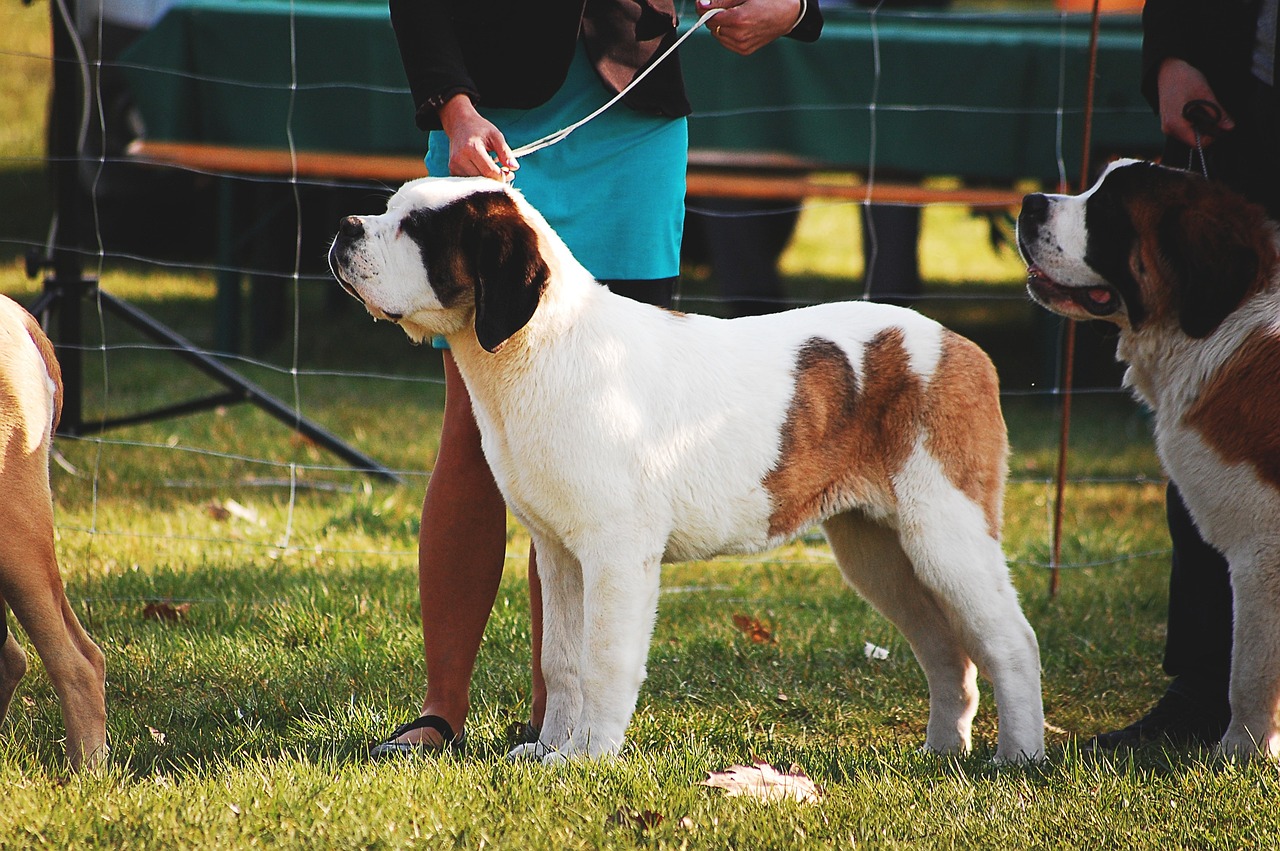

Using Video Analysis to Improve Your Dog’s Show Presentation
In the competitive world of dog shows, the presentation of your pet can make a significant difference in its success. One valuable tool that has emerged is video analysis. Utilizing video technology allows trainers to assess their dog’s movement, stacking, and overall presence in the ring. Understanding how to optimize these elements can drastically enhance a dog’s performance. Recording your practice sessions provides insights that go unnoticed in the moment. It enables you to examine details such as posture, gait, and handler interactions. The goal is to identify and correct flaws before entering a competitive setting. Additionally, sharing these videos with a dog training community can generate constructive feedback. Such engagement facilitates learning and improvement not only for you but also for fellow trainers. With consistent practice and feedback, both you and your dog can develop more polished skills. Ultimately, video analysis serves as a crucial element in preparing for shows and enhancing your dog’s potential success. Observing improvements over time can strengthen your bond with your dog and make the process enjoyable for both of you.
Once you’ve recorded your training sessions, the next step is analyzing the footage to identify key areas for enhancement. Begin by watching the video without sound to focus purely on visual aspects. Pay attention to your dog’s movement—does it show confidence and agility, or are there hesitations? Look for moments when the dog appears unsure or stressed and consider how to tackle these issues. Annotate your video with timestamps for specific observations, such as poor stacking or lack of enthusiasm. Use these notes to create a targeted training plan, emphasizing areas needing improvement. Furthermore, view the videos from different angles and observe how the dog responds to the handler’s cues. Assess your own body language and handling style as well, since these factors significantly influence a dog’s performance in the ring. By dissecting both visual and behavioral components, you and your dog can work towards a seamless presentation that dazzles judges. Integrate this video analysis systematically, making it a fundamental part of your training regimen, ensuring both you and your dog are consistently improving together.
Incorporating Feedback into Training
As you begin to implement video analysis in your practice, incorporating feedback becomes essential. Seek insights from experienced trainers, judges, or online communities by sharing your video. Constructive criticism can illuminate blind spots you might not have noticed. Focus on specific feedback that highlights both strengths and weaknesses. For example, if a judge notes your dog’s lack of enthusiasm, think about how to create a positive experience during training sessions. Techniques like rewarding your dog for good behavior or creative methods to maintain motivation can be beneficial. A well-rounded training plan should not only focus on corrections but also celebrate progress. Regularly revisit previous videos to measure your dog’s improvement over time. This not only boosts your dog’s confidence but also strengthens the handler-dog bond. Furthermore, engaging in discussions with fellow enthusiasts can provide fresh perspectives and techniques that can enhance your training. By refining your approach continually, you pave the way for successful show presentations, allowing you to present your dog in its best light.
Another significant aspect of using video analysis is focused leash work. The way you handle the leash can greatly influence your dog’s performance. Recording your training sessions while emphasizing leash techniques allows for an objective review of how you guide your dog. Pay attention to whether your dog is following your lead or becoming distracted. Often, ensuring that the leash is always loose during movement can positively affect your dog’s confidence and gait. By analyzing leash handling on video, you can identify moments of tension or struggle, which may hinder free movement. Furthermore, practice transitioning between different maneuvers such as turns, stops, and stacked positions while filming. This provides an excellent opportunity to refine coordination between you and your dog. Moreover, ensuring that you encourage calm and focused responses to leash commands can lead to beautifully executed movements during competitions. Video analysis assists not only in identifying issues but also in recognizing progress, making it an invaluable tool for anyone serious about dog show training.
Building Confidence Through Video Review
Confidence is a crucial element for dogs competing in shows. Video analysis can facilitate building this confidence in several ways. First, reviewing footage where your dog performs well can boost morale for both you and your pet. Celebrating these moments reinforces positive behavior and strengthens the bond you share. Consider creating a highlight reel of successful training sessions, showcasing all the improvements your dog has made, enhancing both your spirits. Furthermore, when you identify areas needing work, make sure they are manageable. Breaking down training into smaller components makes it less overwhelming. For example, rather than focusing on improving the overall presentation, work on each element—stacking, gait, and attitude—individually. By celebrating each small win during practice, you foster a positive experience for your dog, alleviating anxiety during performance. Continuous encouragement and dedicated practice will naturally enhance your dog’s confidence. Regular video review, coupled with focused training, creates a rewarding experience that reinvigorates your ambitions for success in the world of dog shows. Confidence nurtured through this practice transforms both you and your dog into show ring contenders.
In addition to improving presentation and confidence, video analysis can also help manage stress. Dogs can easily become overwhelmed in show environments, making it critical to prepare them adequately. Videos of previous shows highlight instances of stress or anxiety your dog might exhibit. By understanding triggers that cause discomfort, you can create a strategy to address them. For instance, if a crowded space or loud noises seem to unsettle your dog, practice exposing them to similar environments gradually. Analyze recorded sessions to determine if specific reactions correlate with those stressors. Create a plan to desensitize your dog to such experiences, ensuring they feel more at ease during actual events. Regularly reviewing both home training sessions and show footage allows you to better prepare your dog for various situations. This strategy not only helps to overcome stress-related behaviors but also promotes a positive attitude toward competitions. The calmer your dog feels, the better it can focus on the tasks at hand and deliver a stunning performance in front of judges. Video analysis, therefore, is not merely for performance enhancement but also serves as a tool for psychological well-being.
Conclusion: The Transformative Power of Video Analysis
In conclusion, integrating video analysis into your dog show training regimen is a transformative approach that yields significant benefits. By capturing training sessions, you’re provided with invaluable insights that can refine your techniques and enhance your dog’s presentation. From assessing movement and stacking to evaluating leash work and handler techniques, video allows for a holistic approach to training. Constructing a roadmap based on observed strengths and weaknesses may lead to a more focused and effective training experience. As you remain iterative, integrating feedback from trained professionals only amplifies the advantages of this method. Building confidence, managing stress, and creating a rewarding practice experience becomes attainable goals through careful video observation. Ultimately, your dog will not only improve in capabilities but also enjoy the process more thoroughly. By consistently monitoring progress via video, you reinforce a positive cycle of learning and adaptation. Investing time into this practice ensures that both you and your dog are well-prepared for the challenges of competitive dog shows. Embrace the journey, as every step taken towards improvement is a step towards acclaim in the show ring.
With the many resources available today, it’s essential to leverage tools such as video analysis for optimal preparation, making you and your dog a competitive debut combination.