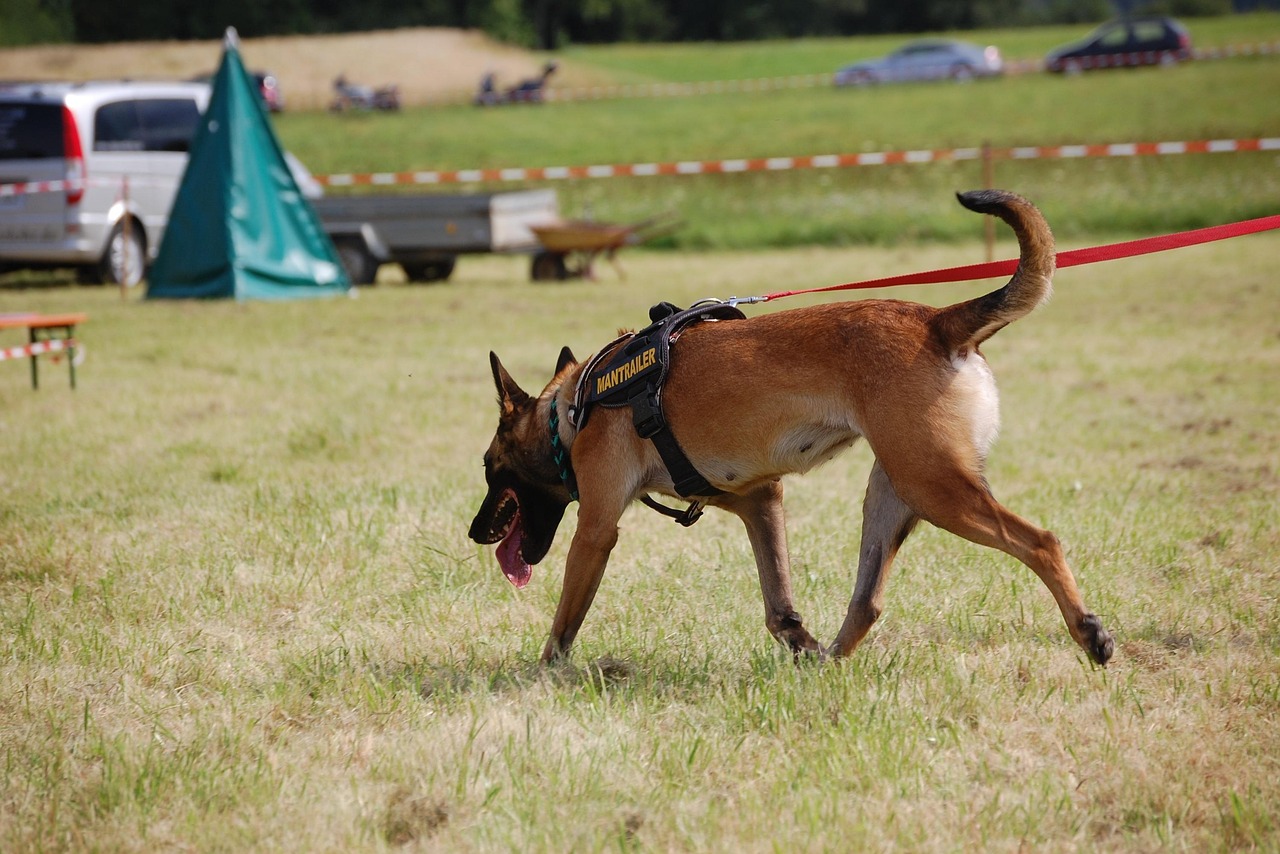

Cognitive Skills Development in Search and Rescue Dogs
Understanding dog psychology plays a crucial role in enhancing the cognitive skills of search and rescue dogs. The journey begins with recognizing their innate instinct to search, which is primarily driven by their keen sense of smell. Training these dogs requires not only physical agility but also mental stimulation to ensure they can perform under pressure. Using psychology effectively can cultivate their problem-solving abilities, enabling them to navigate complex environments. Techniques like positive reinforcement and obstacle courses foster cognitive development, as dogs learn to associate specific actions with rewards. Furthermore, the ongoing evaluation of a dog’s responses to stimuli can reveal areas for improvement. By crafting a structured training environment, handlers can help dogs adapt to various search scenarios, enhancing their confidence and performance. Utilizing toys and scents during training also engages the dogs mentally and keeps them motivated. Ultimately, a deeper comprehension of dog psychology contributes significantly to their effectiveness in rescue operations, ensuring they can locate missing persons efficiently. Investing time in mental training ultimately leads to better outcomes in real-life rescue situations, bridging the gap between instinct and trained capability.
As search and rescue training progresses, handlers must incorporate specific cognitive skills exercises tailored to enhance the dogs’ capabilities. One effective strategy includes scent discrimination tasks, where dogs learn to differentiate between various odors. This training not only sharpens their olfactory senses but also challenges their cognitive processing, strengthening their focus and determination. Coupled with memory games and problem-solving sessions, such exercises promote mental agility. Successfully completing these tasks reinforces the bond between the handler and the dog, fostering mutual trust and cooperation. Additionally, varied training environments simulate real-world scenarios, preparing dogs for unexpected challenges they may face during actual search and rescue missions. Frequent exposure to diverse settings facilitates adaptation, enabling dogs to remain calm and collected under pressure. Moreover, it’s essential to celebrate small victories throughout the training process, as this boosts motivation and encourages continued learning. The ultimate aim is to develop resilient, mentally robust rescue dogs who can handle the nuances of search operations. Comprehensive training strategies rooted in psychology ensures that these skilled animals can surpass the collection of skills to perform with unwavering excellence in real situations.
Building Strong Communication Between Handler and Dog
To build effective communication and foster a strong bond between the handler and the dog, both parties must understand each other. Dogs, as pack animals, thrive on clear and consistent cues from their handlers. This communication can be established by creating a unique set of signals, both verbal and non-verbal, representing various commands or actions. For instance, using hand signals alongside verbal commands ensures clarity, especially in noisy environments. Handlers must also recognize canine body language to gauge emotional states, allowing them to adapt training methods accordingly. Whether it’s a wagging tail or lowered ears, interpreting these signals enhances mutual understanding. Clear expectations from handlers equip dogs with the knowledge they need, solidifying their roles in search missions. Positive reinforcement remains an effective tool for promoting good behavior and successful task completion. By utilizing treats, praise, or playtime, handlers can motivate dogs effectively, ensuring they remain engaged. Consequently, a strong communication framework results from consistent training routines, fostering trust where dogs feel secure to operate independently while remaining receptive to their handler’s guidance.
The environment plays a pivotal role in canine cognitive skills development during training sessions. Dogs are incredibly perceptive and can quickly pick up on subtle environmental cues. Therefore, handlers should conduct training sessions in varied locations, simulating the unpredictable nature of real-life search scenarios. Incorporating distractions, such as sounds or different types of terrain, challenges dogs to focus solely on their objectives. This form of training emphasizes their keen ability to filter out noise and enhance problem-solving skills. Additionally, urban areas present different challenges when compared to wooded regions, necessitating the adaptation of strategies according to terrain. It’s crucial to observe how different situations affect a dog’s performance, as this impacts overall training strategies. Designing scenarios that involve multiple search elements allows dogs to employ various skills, improving their adaptability. Furthermore, adding complexities, such as team collaboration exercises, teaches cooperation among multiple search dogs. Ultimately, a diverse training environment prepares dogs for successfully addressing unpredictable circumstances encountered during rescue operations, making them agile and proficient in their tasks.
Encouraging Mental Resilience through Challenges
Part of developing cognitive skills in search and rescue dogs involves incorporating mental challenges. These challenges enhance cognitive abilities that are vital for success in search operations. Tasks such as locating hidden objects or navigating through mazes stimulate critical thinking and decision-making. Handlers must create scenarios that evolve progressively, ensuring dogs face increasingly complex problems. By gradually increasing difficulty, dogs learn to rely on their instincts and problem-solving skills, which is invaluable during operation. Moreover, instilling resilience during training prepares them for high-pressure situations where adaptability is crucial. Using high-value rewards encourages dogs to tackle tougher challenges without hesitation, as they associate these tasks with positive outcomes. It’s important to switch activities regularly to maintain engagement and prevent boredom. Incorporating activities like interactive toys or treat puzzles also provides mental stimulation, ensuring dogs develop keen analytical skills. Ultimately, the challenges presented during training sessions reinforce the vital connection between mental resilience and performance in real-world applications. Effectively developing cognitive skills leads to dogs that are not only adept at search functions but also confident and resourceful problem solvers.
Continuous evaluation of progress is essential to ensure the effectiveness of cognitive training methods for search and rescue dogs. Handlers should regularly assess each dog’s performance in various scenarios, providing targeted feedback to optimize further training. This evaluation helps identify strengths and areas needing improvement, facilitating tailored training plans. Employing tools such as video recordings enables handlers to analyze performance critically, allowing for modifications to training methods when necessary. Keeping detailed training logs assists in tracking progress and ensuring consistency. Moreover, the role of socialization should not be overlooked during evaluations. Interacting with various dogs and people enhances a dog’s adaptability, an essential trait for rescue missions. Consistent exposure to new environments, scents, and stimuli significantly contributes to overall cognitive skill development. Promoting interaction with a range of individuals further reinforces confidence. Ensuring dogs are well-socialized prepares them for unexpected encounters during operations, contributing to their effectiveness. Ultimately, an iterative training process that relies on evaluation not only improves skills but also nurtures the dogs’ psychological well-being, leading to resilient canines ready for crucial missions.
The Future of Rescue Dog Training
As we look toward the future of search and rescue dog training, incorporating advancements in technology could greatly enhance cognitive skill development. Utilizing tools such as GPS tracking for training scenarios allows handlers to understand dogs’ search patterns and effectiveness. Moreover, integrating virtual reality experiences can prepare dogs for various realistic scenarios. The fusion of modern technology with traditional training methods creates dynamic learning environments. This innovative approach not only accentuates cognitive advancement but also fosters engagement during training. Furthermore, developments in canine neuroscience present insightful perspectives on dog behavior, providing handlers with advanced techniques. Understanding the neurological processes behind decision-making opens up additional avenues for tailored training plans. Collaborating with animal behaviorists can yield new findings, ensuring solutions adapt over time. Ultimately, the future of search and rescue dog training lies in the ability to blend cutting-edge technology with profound psychological understanding of the canine mind. This integration promises to elevate both the efficiency and effectiveness of dogs in real-life rescue missions, ensuring that they continue to serve humanity reliably and optimally.
In conclusion, the potential of search and rescue dogs is vast when their cognitive skills are properly nurtured through psychology-based training approaches. Each aspect of their development leads to enhanced problem-solving capabilities, emotional resilience, and stronger bonds with their handlers. By employing innovative training techniques and understanding the psychological underpinnings behind canine behavior, we prepare dogs not just as tools for search and rescue but as companions integral to human safety. The knowledge gained and shared in this field significantly impacts the success of rescue operations, as canines become adept at navigating the unpredictable nature of emergency situations. Additionally, the journey of training these dogs represents a mutual growth experience, where handlers also develop a profound understanding of canine instincts and responses. Emphasizing the psychological facets of training shapes not only the dog’s performance but also the handler’s ability to adapt and respond effectively. Therefore, investing in the comprehension of dog psychology yields a sustainable approach to enhancing cognitive skills, ultimately leading to significant advancements in the realm of search and rescue. This training paradigm promises to elevate the standards of operational effectiveness, ensuring a future in which trained dogs are invaluable in saving lives.