
Equipment and Gear Every Search and Rescue Dog Handler Should Know
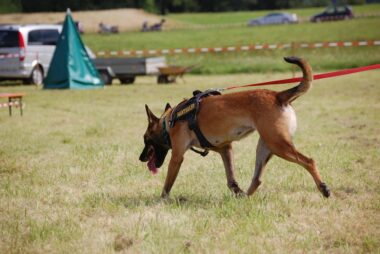
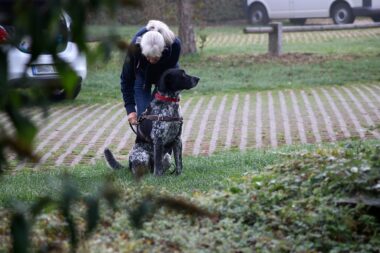
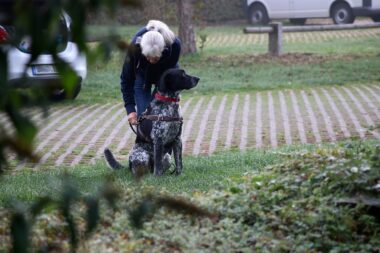
When it comes to search and rescue dog handling, having the right gear is vital for success. Equipment needs to be both functional and durable, able to withstand harsh conditions. Among the essential items are high-quality harnesses designed specifically for search and rescue. A good harness ensures your dog remains secure while offering maneuverability. Additionally, collars should be sturdy and fitted with an ID tag that contains crucial information. Training leashes are equally important, allowing handlers precise control during operations.
Another integral piece of equipment is the vest worn by the search and rescue dog. These vests are usually bright and reflective, making the dog visible even in poor conditions. Significant also is a GPS tracking device that helps handlers keep track of their dog’s location during searches. Not only does this enhance safety, but it also improves search efficiency. Portable water bowls and dog food are essential tools for hydration and energy sustenance during long operations, ensuring the dog remains fit. Always include first-aid supplies tailored for canines in your kit, allowing quick response to any injuries.
Adequate Training Tools
Beyond basic equipment, training tools play a pivotal role in preparing search and rescue dogs. These tools include agility training kits such as tunnels and jumps that enhance the dog’s physical capabilities. Scent training kits consisting of scent articles help refine the dog’s tracking abilities. Regular training routines utilizing these tools ensure that both the dog and handler develop effective teamwork. Handlers should also keep a detailed log of training sessions, making it easier to track progress, skill improvement, and readiness for real-life encounters.
In addition to physical training, including mental exercises is crucial in maintaining a dog’s focus during a search. Interactive toys and scent puzzles can serve as stimulating challenges that keep the dog alert and engaged. Engaging dogs by mixing their training schedule helps prevent boredom and fosters better learning experiences. Always consider personalizing the training approach based on your dog’s temperament and energy levels. Finally, continue to seek out additional training workshops and seminars with professional trainers for advanced skills and techniques.
Outdoor Gear for Handlers
Handlers must also think about their own gear when participating in search and rescue operations. Properly fitted hiking boots with excellent grip and sole durability provide stability across various terrains. A weather-appropriate outer layer, ideally waterproof and breathable, is also essential for comfort and protection. In cases where visibility is low, wearing reflective clothing or a vest can enhance personal safety. Always have a durable backpack, large enough to fit all your necessary gear like water, food, and first-aid supplies.
Furthermore, a reliable map and compass or GPS device can assist in navigation during searches. Being familiar with the terrain and location beforehand saves valuable time during an operation. Whether trekking through thick forests or navigating urban landscapes, it’s advantageous for handlers to be prepared. Additionally, packing extra pairs of socks can keep your feet dry and prevent blisters, boosting your endurance on long missions. Always prioritize safety by informing someone about your plans and whereabouts during training and actual rescue missions.
Conclusion: The Importance of Preparedness
In conclusion, the combination of proper gear and training leads to success in search and rescue operations. Handlers are encouraged to invest in high-quality, durable equipment, creating a safe environment for both themselves and their dogs. Not only does this enhance performance during searches, but it also safeguards the health and safety of everyone involved. Remember that continuous education and adaptation to new techniques is key in this ever-evolving field. Fostering a strong handler-dog bond through positive engagements and training solidifies trust, critical in high-pressure environments.
Ultimately, being well-equipped does not simply mean having the latest gadgets but rather understanding the necessity of each item in your arsenal. Assessing both your dog’s and your own needs during training and operations will lead to better preparedness. As the search and rescue community continues to grow, sharing knowledge and gear tips with fellow handlers sheds light on best practices. Together, handlers and dogs can work efficiently, demonstrating the vital importance of teamwork in saving lives during critical situations.