
Home-Based Rehabilitation Exercises for Injured Dogs
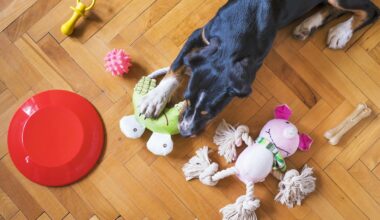
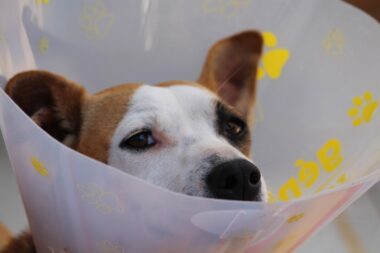
Rehabilitating injured dogs at home requires patience, understanding, and the right approach. Following an injury, dogs often need specific exercises to regain strength and mobility. Owners can significantly help their pets through these rehabilitation exercises. It’s crucial to consult with a veterinarian or a professional canine rehabilitation therapist before starting any program. They can provide invaluable insights and tailor a regimen suited for your dog’s specific condition. Start with gentle range of motion exercises. Careful stretches can avoid stiffness and improve flexibility. Additionally, encouraging light movement is a great initial step. Create a safe space where your dog can comfortably engage in these exercises. Use soft mats to cushion their movements and avoid injury. Remember to monitor your dog closely, watching for signs of discomfort or pain. It’s important to go at their pace, progressing gradually as they build strength. Consistent short sessions are often more effective than long ones. Engaging your newly energetic companion in play also contributes to their rehabilitation. Incorporating their favorite toys can provide motivation in a fun and enjoyable manner, enriching their recovery experience.
Range of Motion Exercises
Range of motion exercises are essential in helping your dog regain flexibility and strength post-injury. These exercises focus on gently moving your dog’s limbs through their normal ranges, which can help reduce stiffness and improve circulation. Start with passive range of motion exercises, where you carefully move your dog’s legs without their assistance. In a calm environment, support their leg and slowly extend it, hold it for a few seconds, and then gently return it to the original position. Repeat this for each leg, ensuring your dog is comfortable. Always maintain a calm demeanor and speak soothingly to reassure them. Gradually introduce active range of motion exercises as your dog improves. You can encourage them to stretch their legs by enticing them with treats or toys. Incorporating activities like gentle walks around the house or yard can also be beneficial. Aim for consistency by practicing these exercises several times a week. If your dog shows any signs of pain or discomfort during these sessions, stop immediately. Always consult with your veterinarian before increasing the intensity of these exercises or incorporating new ones into their routine.
Strengthening exercises are pivotal for the recovery of injured dogs. After an injury, dogs may lose muscle mass and strength, making specific rehabilitation exercises crucial for their regaining of full function. One effective way is to implement controlled weight-bearing exercises. For example, encourage your dog to stand for short periods. You can do this by rewarding them with treats while gradually increasing the duration as they become more comfortable. Stability balls or balance discs can also be utilized to improve their core strength. Always supervise your dog during these activities to ensure their safety. Another method is to engage them in hill walking, which reinforces strength in their hind legs. This encourages muscle engagement while being low impact. Start slowly on a slight incline, then progressively challenge them with steeper hills once they’re more capable. Incorporating these activities into your dog’s routine can lead to significant improvements in their strength and overall mobility. Additionally, ensuring proper nutrition, suitable for their condition, is essential. Consult your vet for dietary recommendations that might help your dog regain muscle and energy more effectively during recovery.
Walking and Swimming
Walking and swimming are two excellent exercises for rehabilitating injured dogs. Swimming, in particular, is a low-impact activity that engages multiple muscle groups while reducing stress on injured joints. Find a dog-friendly pool or a safe body of natural water where dogs can swim. Always supervise your dog closely during swimming sessions, ensuring they feel confident and secure in the water. Initially, introduce them to the water gradually and help them learn to paddle. Use flotation devices if needed, ensuring they maintain confidence. Walking is another effective exercise, though it should start gentle and progressively increase in duration and intensity. Aim to take short walks multiple times a day, monitoring your dog’s comfort levels closely. Gradually extend the distance as their recovery progresses. Make the experience enjoyable by incorporating their favorite toys or choosing interesting paths. Maintain a relaxed pace and pay attention to the ground type; soft surfaces are preferable in the early stages. Combining both swimming and walking will provide diversity, keeping your dog’s mind engaged while promoting healing. These activities will encourage adaptability and outdoor enjoyment through their rehabilitation.
Hydrotherapy’s role in canine rehabilitation cannot be overstated; it significantly benefits injured or recovering dogs. Hydrotherapy uses water to assist rehabilitation, allowing injury-affected limbs to move without full weight bearing. Notably, this environment aids in pain relief and helps with muscle strengthening. Visit a specialized facility where certified professionals conduct hydrotherapy sessions for dogs. Safety is paramount; make sure it’s a reputable place equipped with trained staff. Hydrotherapy sessions typically entail walking on underwater treadmills or guided swimming. Both these activities are controlled and closely monitored by professionals. Regular therapy enhances mobility and lessens muscle atrophy. Another important aspect is to blend hydrotherapy with personalized exercise programs, emphasizing your dog’s specific needs during recovery. Always incorporate physical assessments to track their progress. Additionally, communicate openly with your vet or trainer about any concerns you observe during sessions. Tracking their advancement not only optimizes treatments but also gives you insights on how best to help at-home rehabilitation efforts. Adopting a multi-faceted approach including hydrotherapy can facilitate a smooth recovery process, ensuring that your dog regains optimal function and quality of life.
Maintaining Motivation
Ensuring your dog remains motivated throughout their rehabilitation process is essential. Recovery can often be tedious, leading to decreased interest in cooperation from your dog. Incorporating playful elements into exercise routines can dramatically enhance their enthusiasm. Use their favorite toys or snacks to encourage participation during exercises and stretches. Additionally, incorporate various games that require both mental and physical engagement. Simple fetch games where they run short distances can promote exercise while having fun. Keep the sessions short and upbeat; maintaining positivity during rehab is crucial. If they start to tire or lose interest, it’s alright to take breaks and return later. Creating a structured schedule can also help; dogs thrive on routine, and knowing what to expect can reassure them during this uncertain time. Always celebrate their small accomplishments, offering praise and treats as rewards for their efforts. This will reinforce their achievements, no matter how small. By maintaining motivation and focus on interactive play, your dog can look forward to rehabilitation. This mindset shift transforms a challenging process into a more enjoyable journey toward recovery.
Monitoring your dog’s recovery progress is integral for successful rehabilitation. Regular assessments are vital to ensure your dog is healing correctly and returning to their previous activity level. You can track their improvements by keeping a daily log of their physical activities, from the duration of walks to the quality of exercises. This record allows you to identify patterns, helping pinpoint any areas of concern. Consult with your veterinarian on what indicators to observe, such as changes in appetite, behavior, or mobility. Additionally, it’s helpful to photograph their progress visually. This provides a reference to see how far they’ve come. Adjustments in their rehabilitation program may be necessary based on observed performance. It’s essential to celebrate every milestone, regardless of how minor it seems. Acknowledging these moments fosters positivity for both you and your dog. Regular evaluations will clarify whether the progress aligns with their recovery goals, and it also affirms the effectiveness of the rehabilitation strategy implemented. Such a proactive approach not only encourages physical improvement but also strengthens the bond between you and your canine companion throughout this journey.