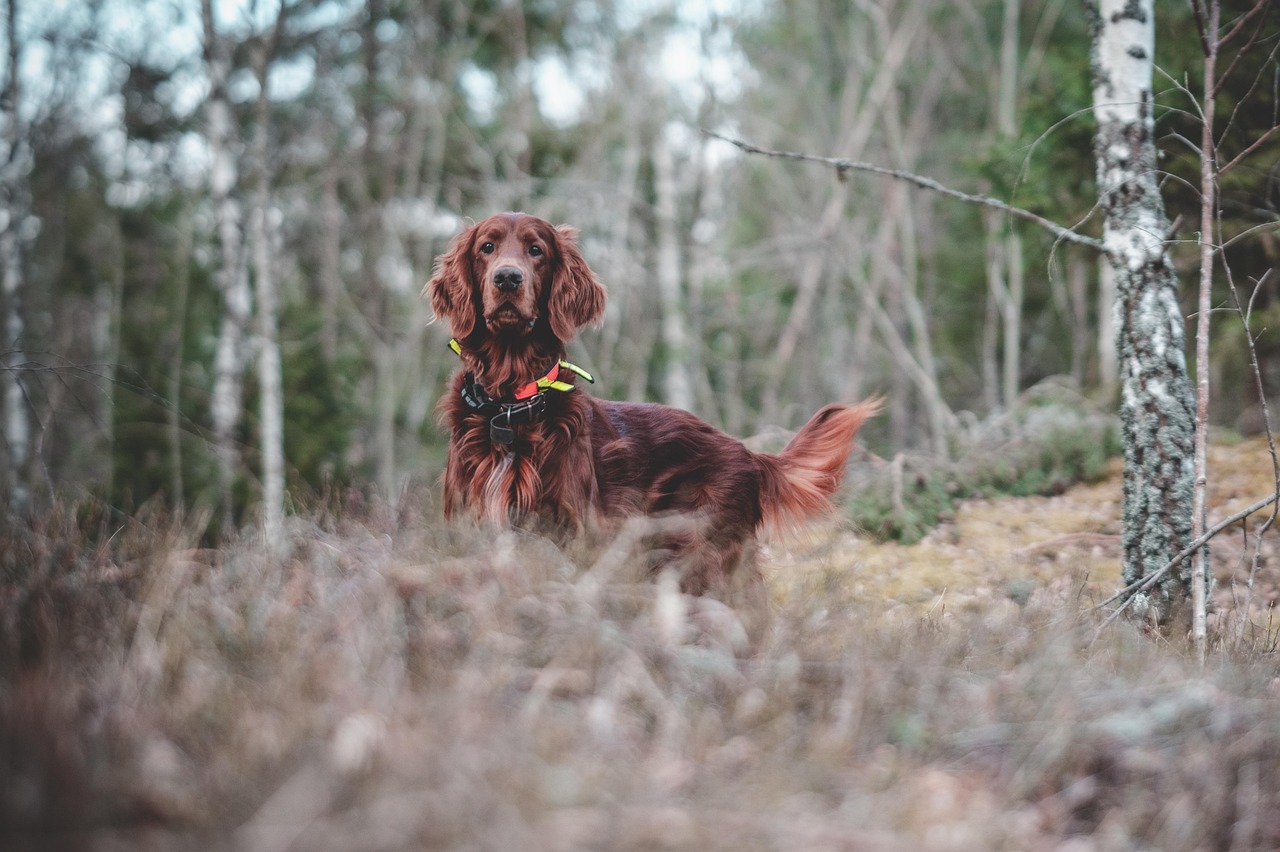

How Problem Solving Training Enhances the Human-Dog Bond
Problem-solving training plays a crucial role in developing a strong bond between humans and dogs. When dogs engage in activities that challenge their intelligence, they become more aware of their surroundings and their connection with their owners. This training not only boosts their cognitive skills but also instills a sense of confidence that enhances their overall relationship with humans. Additionally, this process encourages open communication, which is fundamental in building trust and understanding between a dog and its owner. Owners who participate alongside their dogs in problem-solving exercises often find that these shared experiences deepen their emotional ties. It allows the dog to perceive their human as a reliable guide, making it easier for them to navigate the complexities of their environment. Through fun and interactive puzzles, dogs learn to rely on their owners for guidance, ultimately strengthening their mutual bond. Engaging in this kind of training also helps to alleviate behavioral issues by focusing the dog’s energy on constructive tasks. Overall, problem-solving skills enrich the lives of both dogs and their owners in numerous ways, creating a harmonious living environment.
As dogs learn to tackle problems, their behavioral issues tend to diminish. Engaging in challenging activities reduces anxiety and prevents boredom-related destructive behaviors. The process of problem-solving engages dogs physically and mentally, leading to higher satisfaction levels. For example, a well-trained dog can respond positively to commands, thus minimizing instances of aggression, hyperactivity, and other negative behaviors. Owners who understand their dog’s learning process can tailor activities to suit each dog’s unique personality and capability. Consistency in the training routine builds a predictable environment, helping dogs feel secure. With time and effort, dogs recognize that their owners are invested in their development, and this trust fosters an open line of communication. Recognizing that dogs respond better to positive reinforcement can make this journey enjoyable for both parties. Owners should regularly praise and reward their dogs as they successfully navigate obstacles or puzzles. This makes the sessions fun and encourages dogs to engage eagerly during future sessions. Moreover, a dog’s success in problem-solving tasks significantly boosts its self-esteem, which reflects back in its interactions with its owner and family.
Building Trust Through Interactive Problem-Solving
Interactive problem-solving builds trust between the dog and its owner. Engaging dogs in tasks where they can evaluate their options enhances their learning experience. Such interactions help them perceive their humans as caring and supportive partners. With each challenge completed, dogs gather positive reinforcement, fostering trust that allows them to feel more secure in their relationship with their owners. Interactive exercises can also involve the use of toys, snacks, or obstacles, making practice enjoyable and diverse. Achieving success together creates a rewarding experience beneficial for the emotional bond. Over time, a dog’s ability to problem-solve affects its overall behavior on a daily basis. Consistent training leads to better obedience, which reduces frustration for both the human and the dog. A harmonious partnership facilitates fun in daily activities, such as walks or playtime. Furthermore, the engagement fosters mutual respect between both parties. Owners observing their dog achieve success feel a sense of pride, boosting the emotional connection. Training sessions can be tailored to various themes or problems to keep the dog mentally stimulated while spending quality time with its owner.
Problem-solving training often enhances a dog’s ability to cope with new situations. Dogs that excel in this training demonstrate adaptive learning skills that mitigate stress when facing adversity. This programming helps them respond appropriately in diverse scenarios, from visiting the vet to interacting with new people. Understanding that they can rely on their human ally brings dogs peace of mind in unfamiliar situations. The training process reinforces their ability to accept guidance during anxiety-inducing moments. When dogs become skilled problem-solvers, they also showcase better social skills. They can engage seamlessly with both humans and other dogs, reducing fearful or aggressive behavior. This adaptability is particularly significant for rescue dogs who may have initial trust issues stemming from past experiences. Through problem-solving training, these canines gradually regain their confidence and display healthier behavioral patterns. This training serves as an essential bridge in transforming their relationships with both their humans and their life circumstances. Owners can significantly benefit by learning to manage their dog’s stress levels while building a supportive alliance that strengthens their bond.
The Emotional Connection of Shared Experiences
Shared experiences during problem-solving tasks deepen emotional connections between dogs and their owners. Engaging them in collaborative activities promotes teamwork that translates to greater affection for one another. Simple activities like hide-and-seek, scent detection, and puzzle aids create enthusiastic interactions loaded with joy. Such shared moments become memorable milestones in their relationship’s journey. The excitement of overcoming obstacles together generates positive emotional responses for both parties and reinforces their bond. Celebrating successes together, such as offering treats or praises, solidifies these moments in their memories. The emotional investment made during training correlates directly with trust levels within the relationship. Dogs remember the comfort of their owner’s presence during challenging encounters, enhancing their emotional attachment. It’s essential for owners to remain engaged and patient during training sessions to cultivate a positive environment. These experiences teach dogs adaptability and resilience, enabling healthier habits that last. Consequently, the companionship flourishes, enhancing the quality of life for both parties involved. Through a blend of joy, education, and collaboration, owners foster an unwavering bond with their dogs based on mutual respect and admiration.
Problem-solving training can also alleviate common behavioral problems. Dogs that frequently take part in these challenges are less likely to exhibit issues such as aggression or separation anxiety. When dogs have sufficient engagement from their owners, they are less prone to destructive habits that arise from boredom. The focus on problem-solving exercises allows dogs to channel their energy into activities that yield positive outcomes. Issues often stem from lack of mental stimulation, and this training serves as a remedy to bridge the gap. Engaged dogs find purpose and direction, reducing their likelihood of developing anxiety-driven behaviors. Training instills a sense of routine that helps dogs feel secure in their living environments. Regularly scheduled activities and exercises help owners create a structure that dogs thrive in. This structured approach to training establishes predictability in their daily lives, essential for emotional stability. Ultimately, a well-rounded training regimen helps instill confidence in dogs, ensuring they develop into well-mannered, reliable companions. By addressing behavioral problems directly through training, owners can enjoy a peaceful and harmonious relationship with their dogs.
Conclusion: Strengthening Bonds Through Problem Solving
In conclusion, problem-solving training significantly enhances the bond between dogs and their humans. By incorporating fun and challenging activities, both parties learn essential communication skills that translate into deeper trust. As dogs navigate through problem-solving exercises, they develop key cognitive skills that positively impact their daily behaviors. A well-established relationship built on trust and shared experiences not only enriches the dog’s life but also rewards the human owner. Such rewarding experiences contribute to a peaceful household where both parties can thrive. Additionally, owner engagement is vital in facilitating this training while boosting the dog’s confidence. As dogs become adept at overcoming challenges, owners witness remarkable positive changes, creating a harmonious coexistence. The emotional connection forged during these training sessions can lead to lifelong companionship based on mutual respect. Fostering a supportive environment where their dogs can excel ultimately transforms the experience of dog ownership into one filled with joy and fulfillment. In short, dedicating time towards problem-solving training cultivates a resilient bond that enhances everyday life for both dogs and their humans.