
How to Monitor Your Cat’s Water Intake Using Fountains
Monitoring your cat’s water intake is crucial for their health, especially when using fountains or alternative water sources. Fountains provide flowing water, which can encourage cats to drink more compared to stagnant options. By keeping track of how much water your cat consumes, you can prevent dehydration, which is particularly important for cats prone to urinary issues. Here are some steps you can take to effectively monitor your feline friend’s drinking habits. Start by measuring the water level in the fountain daily. Take note of how much water is added on average each day. You can use a measuring cup to ensure accuracy in your readings. Consider using a dry-erase board or a notebook to record your observations. Uneaten food can also contribute to low water intake, as it may indicate your cat is not feeling well. If you detect any patterns, such as drinking less during certain times of the day, it might be worth consulting your vet. Keeping an eye on behavior can provide valuable insights into your cat’s overall health and help you make necessary adjustments to their care routine.
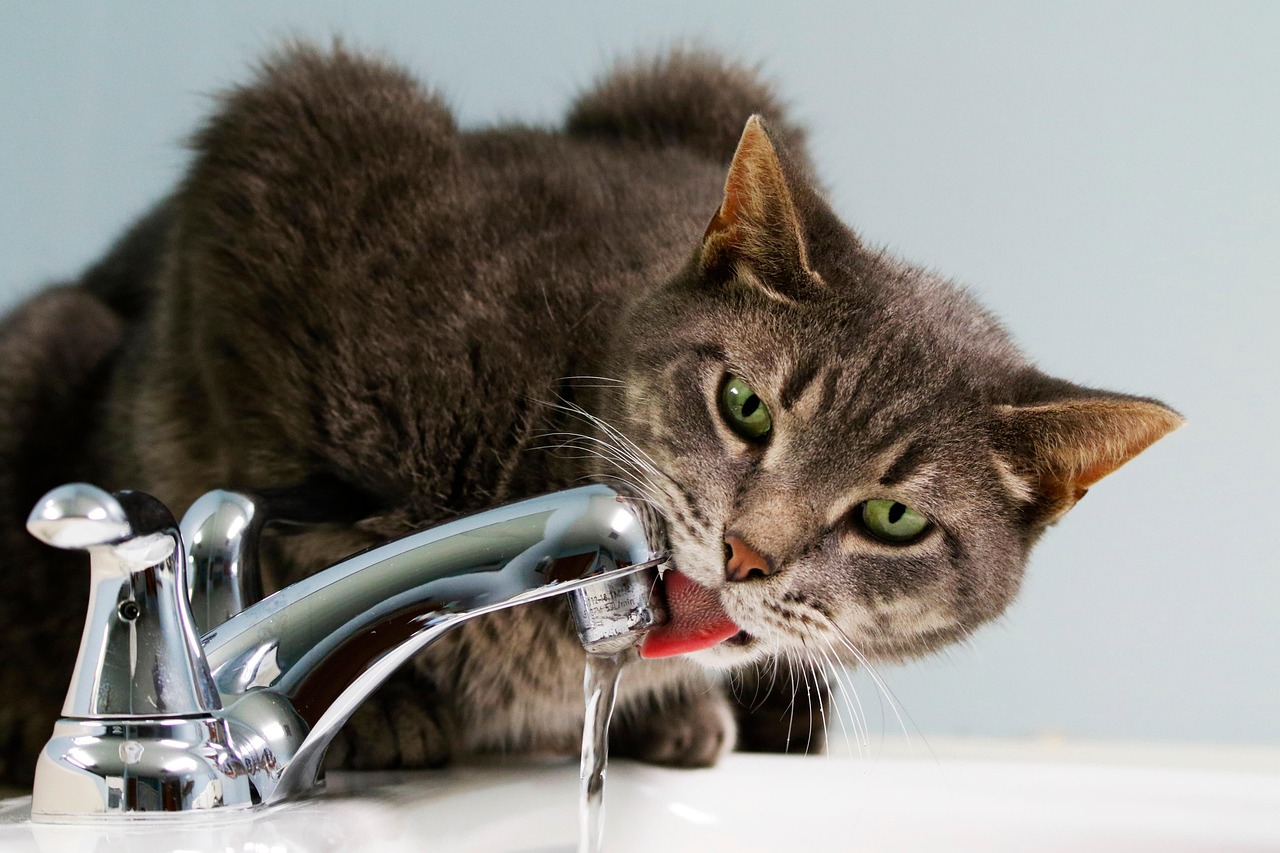
Another effective method to monitor water intake is observing the fountain’s activity level. Is your cat frequently at the fountain, or do they seem uninterested? Cats can be picky, and their preferences may change over time. You can enhance their experience by ensuring the fountain is clean and well-maintained. Accumulated debris or algae can deter even the thirstiest cats from drinking. Regularly disassembling the fountain to wash its components is crucial for hygiene and improving the allure of fresh, flowing water. Furthermore, different fountains may provide various flow rates or designs, making certain models more appealing to some cats than others. Explore different options to find one that resonates best with your cat’s personality. Make it accessible and located in a quiet space. Cats are more at ease to drink when they feel secure and can approach a water source peacefully. If your cat has dental issues, encourage them to drink more water by softening their food or providing water-rich treats. Pay attention to any changes in their drinking behavior or preferences and adapt accordingly to ensure their hydration needs are met.
Recognizing Signs of Dehydration
Recognizing signs of dehydration in cats is vital for their health management. Dehydration can quickly become a serious issue, leading to health problems. Common signs of dehydration include dry gums, lethargy, and loss of skin elasticity. You can perform a simple skin test; gently pinch the skin on the back of their neck and release it. If the skin does not promptly return to its normal position, it is a sign your cat may be dehydrated. Additionally, monitor their urination habits. Dehydrated cats may produce less urine, which can lead to concentrated urine that is darker in color. Regular trips to the litter box should be the norm, so any decrease in frequency is notable. Also, take note of their eating habits; a change might indicate they are not drinking enough. If hydration issues persist, it’s recommended to seek veterinary advice. Adjust their diet accordingly, introducing wet food options which can assist in increasing moisture intake. Including water-rich fruits or veggies safe for cats can also help you support their hydration efforts effectively.
To improve your cat’s drinking patterns, consider adding some enhancements to the water fountain. For instance, placing ice cubes or offering chilled water can make the experience more appealing. Some cats are more receptive to water at cooler temperatures, which may attract them to drink more frequently. You could also experiment with a flavored water additive designed specifically for pets, which can entice your cat to drink more. However, always ensure these additives are safe and suitable for feline consumption. This method can be particularly useful for cats that are otherwise uninterested in drinking. Analyze how your cat interacts with the fountain; if they seem hesitant, try introducing additional sources of water around your home. This can include shallow bowls or water dishes in bedrooms or cozy spots around the house. Keep observing to determine which locations see the most interest from your cat. Providing variety can combat any reluctance to hydrate and can assist in ensuring your cat’s hydration needs are met daily. Use rewards such as treats or praises to encourage positive behavior around drinking more water from the fountain.
Understanding Fountain Benefits
Utilizing a fountain for watering your cat can have numerous benefits, particularly in preventing health issues related to hydration. Cats often instinctively prefer flowing water, which appeals to their natural instincts as hunters. The sound and movement of flowing water can entice them to drink more often, promoting better health. Unlike traditional bowls, fountains provide a continuous supply of fresh water, which can greatly enhance your cat’s drinking habits. Moreover, many modern fountains come with built-in filters that help in keeping the water clean and free from contaminants, providing healthier hydration. Additionally, fountains can lessen the likelihood of pets contaminating the water with their paws or food. Cleaning becomes less cumbersome than regularly replacing stagnant water in a bowl. Many fountains also have adjustable flow settings, allowing you to customize the water flow to suit your cat’s preferences. It can engage curious cats who might enjoy playing with the water as they drink. This constant availability can ultimately support a well-hydrated feline that is active and healthy, reducing the risk of urinary tract issues and improving overall wellness.
In tracking your cat’s water intake, consider using technology to assist you. There are smart water fountains available that feature apps to help monitor your cat’s drinking habits remotely. These technologies can be useful for pet owners who are often away from home and want peace of mind regarding their pet’s hydration. By utilizing the corresponding app, you can get alerts about water levels, reminding you to refill when necessary. Monitoring intake patterns could help identify any thirst-related issues quickly. Track the frequency and amount your cat drinks to detect any anomalies. This data can be particularly beneficial if you visit the vet, as they might want insights into any changes in behavior. You can present your findings, allowing the vet to assess better the health of your pet. Some fountains even come equipped with a built-in gauge to track overall water usage. Understanding your cat’s drinking habits through technology can empower you to make informed decisions regarding their hydration and health, enhancing their quality of life and hydration efficacy.
Conclusion and Best Practices
In conclusion, monitoring your cat’s water intake using fountains can be a proactive approach to ensure their hydration needs are met. Utilize the tips mentioned to track and encourage drinking habits effectively. Regular maintenance of the fountain is crucial, ensuring freshness and cleanliness to keep your cat interested. Be mindful of signs of dehydration and adjust your strategies accordingly. Consider investing in smart technology to enable effective tracking of hydration habits. Incorporate different water sources around your home to provide variety and motivate your cat to drink. Implement changes in their diet, favoring wet food and possibly safe water additives, to boost fluid consumption. Regular consultations with your veterinarian regarding hydration and overall health can support informed pet ownership. This attention to your cat’s hydration will not only improve their quality of life but will also reduce the risks associated with dehydration. Ultimately, the goal remains to ensure your furry friend receives the appropriate care they deserve. With these practices in place, you can enhance your cat’s well-being and contribute to their happiness for years to come.
By focusing on the overall monitoring of your cat’s water intake, you are taking significant strides towards better health for your feline companion. The benefits extending over time can vastly improve their quality of life. Remember to remain consistent with your observation practices and be adaptable to their changing preferences. Hydration is vital for a cat’s physical well-being, which further affects their behavior and energy levels. Providing an engaging and appealing water source allows them a chance to thrive. Your attentiveness not only helps with hydration but also creates a stronger bond with your pet through understanding their needs. Proactively ensuring adequate hydration can help in averting health complications, thus securing every moment spent together. By recognizing your cat’s specific preferences and habits, alongside veterinary check-ups, you set the cornerstone for a happy, healthy life. Keep exploring new water sources, methods, and technologies to reinforce this important aspect of your pet’s care. Taking these ongoing steps will significantly improve your cat’s lifestyle and overall satisfaction with their drinking habits.