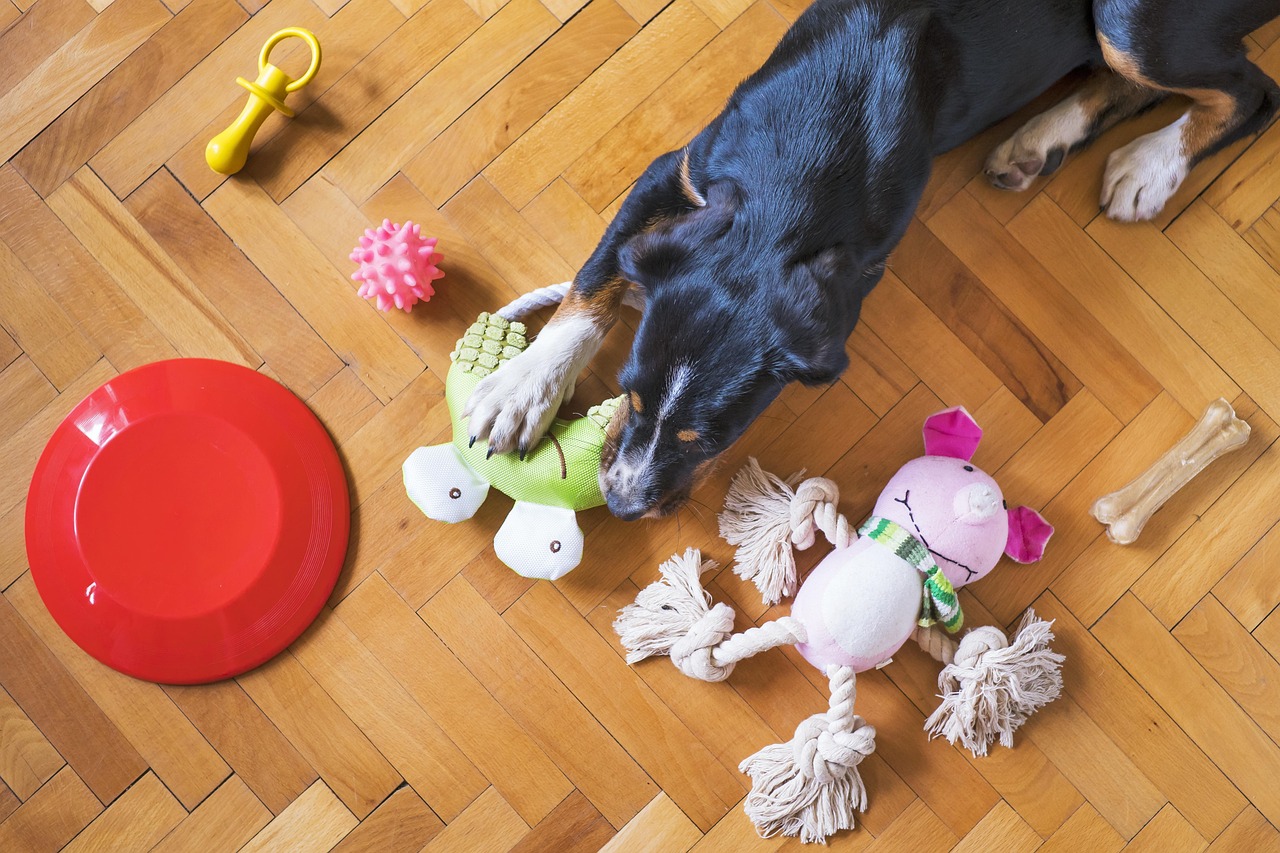

Interactive Dog Toys as Chew Bone Alternatives to Stimulate Your Pet
As any pet owner knows, keeping your dog entertained and active is essential for their mental and physical health. One excellent way to achieve this is by introducing interactive dog toys, which serve as exciting alternatives to traditional chew bones. These toys often engage your dog’s natural instincts, providing both stimulation and exercise. Options like puzzle feeders and fetch toys promote problem-solving behavior, encouraging dogs to think and overcome obstacles. Furthermore, while chew bones may break down and pose risks of choking, interactive toys tend to be safer, reducing the chances of harmful ingestion. When selecting toys, consider your dog’s size and chewing habits. Larger breeds may require sturdier options, while small breeds might prefer softer toys. In addition to promoting healthy chewing habits, these interactive alternatives can help reduce anxiety and boredom, resulting in a happier pet. Always supervise your dog during playtime to ensure their safety and prevent excessive wear and tear on the toy. By choosing the right interactive dog toys, you can offer your pets mental challenges while ensuring their enjoyment and well-being while keeping them engaged and healthy.
When considering interactive dog toys as alternatives to chew bones, it’s crucial to recognize the various types available on the market today. Many of these toys are designed with innovative features to capture a dog’s interest. For instance, some toys dispense treats as your dog interacts with them, providing an enticing reward that encourages prolonged playtime. Additionally, there are electronic toys that engage dogs with sound and motion, keeping them intrigued. These devices often stimulate instinctual behaviors like chasing and hunting. Chew toys that make sounds or can be filled with food can also make them more engaging. To maximize the benefits of interactive toys, consider rotating them regularly, introducing new challenges, and preventing boredom. If you notice your dog losing interest, swapping out toys or adding new ones can rekindle enthusiasm. Another advantage of these interactive toys is their availability in a wide range of sizes, shapes, and styles, catering to different dog breeds and preferences. Remember that playtime is not only about providing entertainment; it can also strengthen the bond between you and your furry friend through shared activities and enjoyable experiences that enrich their daily lives.
Benefits of Using Interactive Toys
Many pet owners are discovering the numerous benefits that interactive dog toys provide compared to traditional chew bones. These toys effectively stimulate a dog’s mind and promote better overall health. One of the key advantages is improving a dog’s cognitive abilities through challenging tasks and engaging activities. Interactive toys often require problem-solving skills, which keep dogs mentally sharp and can enhance their learning capabilities. Moreover, these toys also provide a physical workout, contributing to maintaining a healthy weight and strong muscles. As dogs engage in play, they burn off excess energy, which can reduce problematic behaviors such as chewing furniture or excessive barking. Additionally, interaction through play helps foster a stronger bond between pets and their owners, creating a rewarding experience for both parties. Engaging your dog with interactive toys can also alleviate loneliness and anxiety, particularly if the dog is left alone for extended periods. To maximize the benefits, involve yourself in the play, encouraging your dog to explore their new toys. This interaction not only deepens your relationship but also ensures that your dog receives emotional support and stimulation, vital for their well-being and happiness.
As you navigate the vast selection of interactive dog toys, it’s essential to consider factors like durability and safety. Many dogs can be heavy chewers, necessitating toys made from sturdy materials that can withstand wear and tear. Rubber or nylon toys are popular for their durability, while those designed specifically for chewing can offer extended use and enjoyment. When choosing an interactive toy, ensure it is free from harmful chemicals and toxins, as dogs often use their mouths to explore. Look for brands that prioritize safety, providing reassuring details about their manufacturing process and material sourcing. It’s also wise to consider the toy’s size; too small could create a choking hazard, while too large may be difficult for your dog to handle. Additionally, read reviews or consult with other pet owners about their experiences with specific toys. Not only will you gain insights into functionality, but you’ll also uncover the most loved and effective options available. Paying close attention to these aspects can ensure that your chosen interactive playthings thrill your furry friend while maintaining a high level of safety and enjoyment in their playtime routine.
How Interactive Toys Address Behavioral Issues
Interactive toys do more than entertain pets; they also play a crucial role in addressing common behavioral issues among dogs. Chewing, digging, and excessive barking can stem from boredom or lack of mental stimulation. By introducing engaging toys, pet owners can effectively target these behaviors and foster healthier habits. Puzzle toys, for example, require dogs to think critically and strategize to access treats, effectively redirecting their energy and focus. Furthermore, when dogs engage in constructive play, they experience a sense of accomplishment, reducing feelings of frustration and anxiety. Creating a routine that incorporates interactive playtime can help establish boundaries and expectations, making dogs feel more secure and happy. In some cases, destructive behaviors arise from anxiety or fear while left alone. By providing interactive toys during these separations, dogs can channel their energy positively, allowing pet owners to feel more at ease. Choosing toys that offer varied challenges will keep dogs engaged longer, resulting in a healthier lifestyle. Remember, the goal is to create a satisfying play environment where playing serves as both fun and functional, helping mitigate undesirable behaviors while ensuring every pet remains stimulated and happy.
Another noteworthy aspect of interactive dog toys is their role in socialization. When dogs interact with their toys, especially those that stimulate pack behavior, it encourages them to engage socially with both their owners and other pets. For example, toys designed for games of fetch or tug-of-war can turn playtime into a more interactive experience that strengthens bonds among dogs and their human companions. Additionally, some toys are engineered for group activities, promoting competition and camaraderie between pets. This structured play helps dogs develop critical social skills they may not acquire while playing solo. Moreover, as your dog learns to share toys or wait for their turn, they cultivate patience and cooperation, which are vital traits for any well-adjusted pet. Incorporating social play into your dog’s routine also aids in reducing anxious behaviors, fostering a sense of belonging. Playdates with other dogs can further enhance these benefits, ensuring a fun-filled environment where dogs interact and hone their social abilities. Thus, by investing in interactive toys, including those suitable for group use, pet owners can contribute significantly to their dog’s development and overall happiness.
Conclusion and Recommendations
In conclusion, interactive dog toys represent a valuable investment for pet owners seeking engaging alternatives to traditional chew bones. By promoting mental stimulation, encouraging healthier behaviors, and facilitating socialization, these toys contribute significantly to a dog’s physical health and emotional well-being. When selecting the right interactive toys for your pet, keep in mind their personality, age, and specific interests. Each dog is unique, and the appropriate toys will ultimately cater to their individual needs. Furthermore, observing how your dog interacts with toys can guide your future purchases, allowing you to tailor playtime experiences effectively. Regularly replacing toys can keep your pet’s interest piqued and ensure continued excitement each time they play. Encourage interactions not only with the toys but also with you, integrating yourself into the playtime routine. Using the right combinations of toys, you can create enriching experiences enhancing the relationship you have with your pet. Investing in engaging toys will foster a vibrant, interactive, and enjoyable environment for your dog, allowing them to thrive in a fulfilling and stimulating way, guaranteeing a happier and healthier life.
Finally, it’s essential to maintain a structured routine that incorporates interactive play. Dogs thrive on consistency, and an established schedule will help effectively channel their energies. Make sure to incorporate different types of activities throughout the day, creating a diverse play experience. Over time, your dog will become more adaptable and responsive, recognizing playtime as a cue for positive interactions. Moreover, treating interactive toys as part of a comprehensive approach to your dog’s daily life will enhance their overall experience. This holistic approach to play not only focuses on their immediate enjoyment but also contributes to their long-term well-being. Ensure that play is coupled with proper exercise, social interaction, and training, creating a balanced lifestyle for your furry companion. Always keep observing your pet’s preferences and adjusting accordingly, discovering new toys or games that keep them engaged. Ultimately, the key to a happy and healthy dog lies in respecting their needs and providing suitable stimulation through interactive toys and varied activities, so they can continue to thrive in their environment.