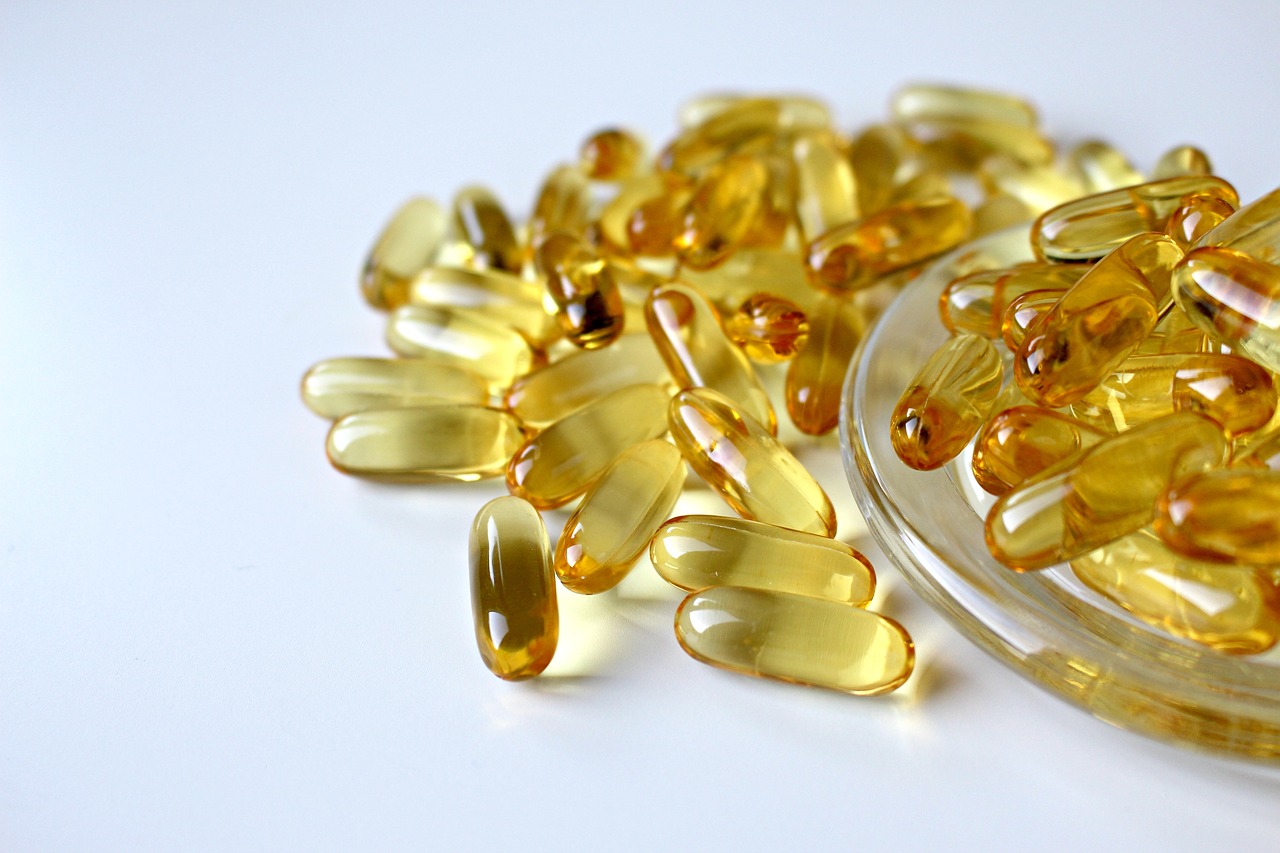

Myth vs. Fact: Do Dogs Need Supplements?
Dogs have different nutritional needs than humans, leading to many questions about whether canine companions require supplements. A common myth is that all dogs need additional vitamins and minerals to stay healthy. In fact, most high-quality dog foods contain balanced nutrition designed to meet a dog’s dietary requirements. However, some dogs may benefit from supplements, depending on their specific health needs. For instance, puppies might need specific supplements as they grow, while older dogs may require additional joint support. It’s crucial for dog owners to consult with veterinarians regarding their pet’s individual needs. Providing supplements without professional guidance can lead to health complications, an overload of certain nutrients, or an imbalance in their diet. The emphasis should always be on a balanced diet provided by quality dog food. Owners should observe their dogs, considering factors like activity level, age, and existing health issues. Supplementation should be a personalized decision rather than a one-size-fits-all approach. Always assess the dog’s unique situation when considering supplements.
Understanding Your Dog’s Needs
Understanding what your dog specifically requires is vital for its wellness. Dogs that are pregnant or nursing may require supplements to support healthy development in their puppies. Moreover, dogs with specific medical conditions may necessitate a specialized diet that may include added supplements. For instance, dogs with arthritis or hip dysplasia might benefit from glucosamine and omega fatty acids to support joint health. Another common misconception is that homemade diets are inherently better than commercial ones. While home-cooked meals can be healthy, they often lack essential nutrients unless properly formulated. Many dog owners assume that all dogs require probiotics; however, the need for probiotics can be species-specific, and not all dogs benefit from them. Often, adding supplements without veterinary consultation can create imbalances, leading to health issues in the long run. That’s why before introducing any dietary changes or supplements, it’s wise to discuss with a veterinarian. They can help assess whether a dog genuinely lacks specific nutrients or merely needs a switch in food brands. Careful attention and understanding are the keys.
Another prevalent myth is that raw diets necessitate additional nutritional support through supplements. While proponents of raw feeding argue that dogs get more natural nutrients from raw food, there is often an overlooked risk of nutritional deficiencies. Raw diets can sometimes lack important vitamins and minerals if not carefully balanced. This can lead to healthcare issues, especially as a dog ages. Moreover, many owners believe that the inclusion of supplements means they can cram in all sorts of unregulated products without considering interactions or potential side effects. Some store-bought supplements can contain fillers or low-quality ingredients that might not be suitable for every dog. In fact, quality is paramount when choosing supplements, recognizing those that are scientifically backed. Legitimate, high-quality brands conduct thorough research and testing to ensure their products deliver real benefits. Owners should always read labels carefully or consult professionals before introducing any supplement into their dog’s diet. Easy access to supplements has indeed created confusion, urging many to prioritize understanding their dog’s health requirements rather than jumping to conclusions.
Signs Your Dog Might Need Supplements
Some signs indicate that your dog might need supplements. Let’s consider instances such as thinning fur, fatigue, or frequent digestive issues, which may signal a deficiency of specific nutrients. For instance, if your dog constantly experiences gastrointestinal upset, this might indicate a need for digestive enzymes or probiotics. Additionally, skin issues might suggest a necessity for omega fatty acids, known to assist with coat and skin health. Age-related changes can also be significant; older dogs often experience a decline in bone and joint health, thus requiring more support. While observing these signs, owners should also evaluate the overall diet and ensure it’s high in quality and properly balanced for their breed and age. Regular veterinary check-ups play a crucial role in determining your dog’s health, helping to identify nutritional gaps. Blood tests can reveal deficiencies that might otherwise go unnoticed. Your trusted veterinarian is the best resource to assess these signs accurately and suggest appropriate supplements based on your dog’s unique dietary requirements.
It’s important to remember that natural doesn’t always equal better for dog diets or supplements. Over-the-counter supplements may not go through rigorous evaluation, leaving room for inferior options flooding the market. Some products claim to deliver health benefits, backed merely by marketing. For pet owners, understanding the difference between marketing and scientifically validated products can be vital. Claims should be supported by vet endorsements or clinical findings. Look for products that are certified by organizations or approved for canine use. Reading reviews and seeking recommendations from trusted sources can also steer you toward high-quality options. It is a challenging landscape filled with misinformation; hence skepticism is wise. Opting for products from reputable brands or those that consult nutritionists or veterinarians for development is key to ensuring you’re making wise choices for your dog’s needs. Staying informed will help you navigate the complexity of canine nutrition and supplementation effectively. Prioritize quality over price; your furry friend’s health is not a place to cut corners.
Consulting with Your Veterinarian
Veterinarian consultations are essential when considering dog supplements. They possess the expertise to assess your dog’s lifestyle and health status adequately. A veterinarian can recommend whether your dog requires any supplements and guide you on the type and dosage necessary. It’s also crucial to discuss any existing medications your dog might be taking, as certain supplements can interact negatively with meds. Additionally, the veterinarian can advise on adjusting diets to lift potential deficiencies without immediately resorting to supplements. Establish open communication with your vet about how your dog feels, energy levels, and any behavioral changes you observe. Documenting changes can provide useful insights leading to more tailored advice. Veterinarians can also offer diet plans or suggest quality products known to work effectively for different breeds. In this way, you’re not making assumptions without scientific backing. Ensuring your dog receives optimal nutrition can significantly enhance its life quality and longevity, giving the best chance to live happily and healthily. Emphasizing the importance of professional guidance cannot be overstated in this process.
In conclusion, the conversation around whether dogs need supplements is nuanced and requires careful consideration. While many dogs may not require additional nutrients, specific circumstances can necessitate tailored supplementation. Always prioritize quality nutrition through balanced dog foods before considering supplements. When supplementing is needed, consulting with a veterinarian is paramount to ensure safe and effective choices that meet your dog’s health needs. Being proactive about your dog’s nutrition and health can lead to years of companionship full of vibrant energy. Engage with your veterinarian regularly to update dietary needs as your dog ages or as health conditions change. Stay informed about canine nutrition by seeking reliable sources and scientific studies. Avoid falling for myths and misconceptions that could mislead you into unnecessary supplementation. Every dog is unique, and their health and dietary needs vary significantly; understanding this will empower you to make informed decisions. The relationship between nutrition and health plays a crucial role in a dog’s well-being. Together with professional guidance, you can support your furry friend in living the happiest and healthiest life possible.