
Natural Hunting Behaviors and Their Influence on Cat Feeding
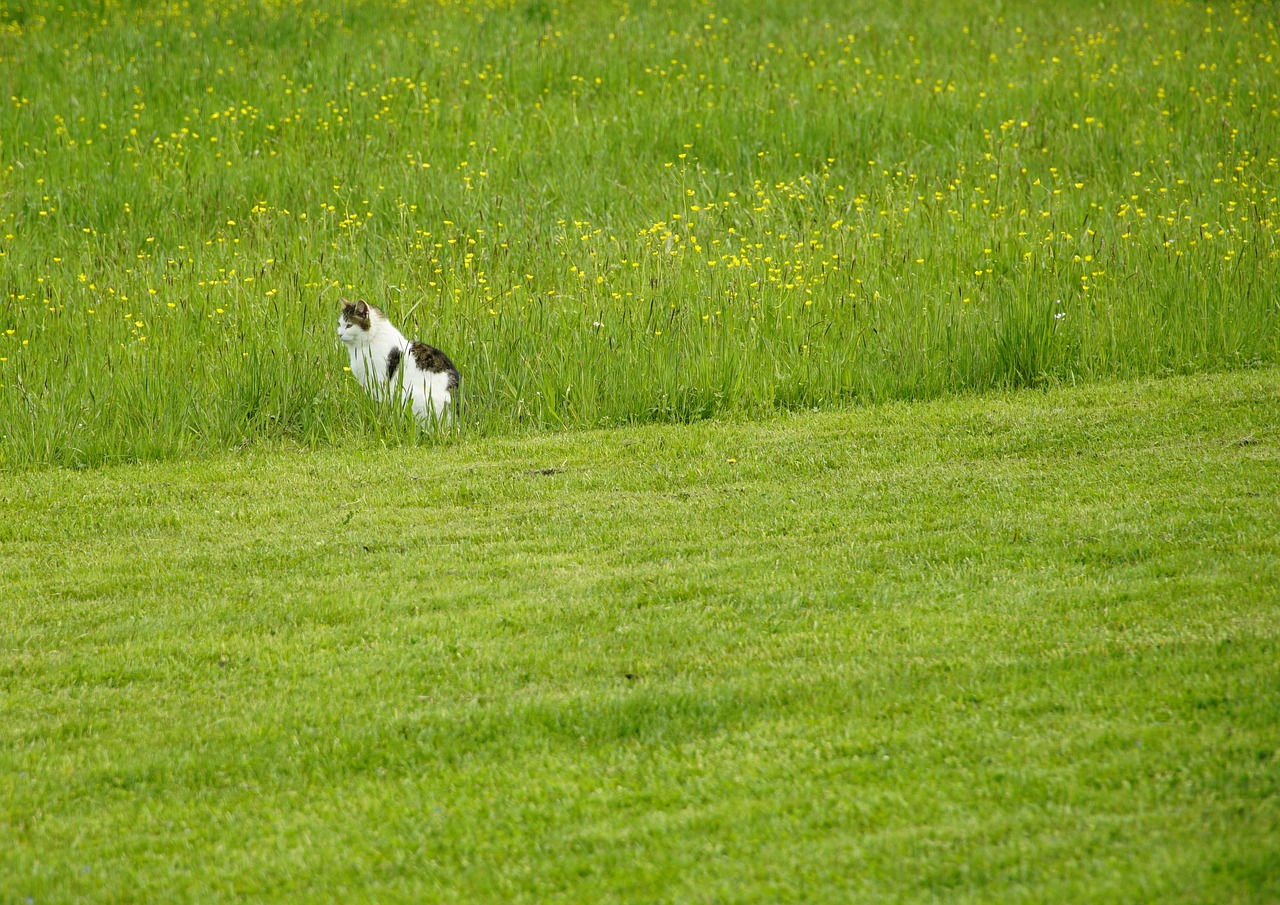
Understanding feline hunting instincts is crucial for developing effective feeding strategies. Cats possess innate hunting behaviors that are deeply rooted in their ancestry, greatly influencing how they approach food and feeding times. In the wild, cats would typically hunt small prey throughout the day, spending considerable time stalking, pouncing, and capturing their meals. This behavior is not just about sustenance; it also serves as an important form of mental stimulation. Modern domesticated cats may not need to hunt for survival, but they still retain these instincts, and providing them with opportunities to engage in their natural behaviors can significantly improve their overall wellbeing. By incorporating interactive feeding methods, such as puzzle feeders or food toys, owners can mimic the natural hunting process, satisfying both the cat’s physical and mental needs. Additionally, understanding these behaviors allows pet owners to create an environment that fosters enrichment, helping to prevent boredom and associated behavioral issues. Therefore, adopting a feeding approach that encourages a cat’s natural instincts contributes positively to their health and happiness.
Furthermore, it’s essential to note that the behavior of hunting extends beyond merely catching food. It involves various components such as stalking, chasing, and capturing, each of which is vital for a cat’s cognitive and physical development. By observing these natural hunting patterns, owners can tailor their feeding regimens to align with their cats’ instincts. For example, feeding smaller, frequent meals mimics the hunting experience better than large, sporadic meals. This not only keeps cats engaged but also has health benefits, such as reducing the risk of obesity and related diseases. To encourage these natural behaviors at home, owners can place food around the house to promote movement and exploration. Additionally, using scent trails can stimulate a cat’s sense of smell, further enhancing their experience. The importance of incorporating play into feedings cannot be overstated, as it not only replicates hunting behavior but also strengthens the bond between the cat and owner. Ultimately, creating a feeding environment that respects and nurtures natural behaviors can lead to more enriched, happier, and healthier cats.
The Role of Environmental Enrichment in Feeding
Environmental enrichment encompasses various strategies aimed at enhancing a cat’s quality of life by stimulating their instincts and senses. When it comes to feeding, environmental enrichment can play a significant role in mirroring a cat’s natural behaviors. For instance, providing various surfaces or heights for feeding can engage a cat’s curiosity and encourage exploration. Specialty feeding products, such as slow feeders or food puzzles, challenge a cat’s natural abilities to problem-solve, mimicking the challenges they face while hunting. Additionally, incorporating scents can tap into a cat’s acute olfactory senses, enhancing their interest in food. Feeding time can also become a form of play rather than just a routine task. Positioning food in different locations encourages movement and mimics foraging behavior in the wild. The diversity in feeding methods not only fosters a healthier approach to meal times but promotes mental stimulation, reducing the likelihood of boredom or anxiety-related behaviors. Thus, providing a stimulating feeding environment is fundamental for a cat’s overall happiness.
Moreover, the social aspects of feeding should not be overlooked. Cats are known to be solitary hunters; however, many households consist of multiple cats. In such environments, it’s vital to consider how feeding can be structured to accommodate social dynamics. Feeding stations can be set up in different areas to minimize competition, allowing each cat to engage in its natural behaviors without the stress of being overshadowed. This promotes a harmonious environment and allows every cat to interact with their food in a way that feels secure. Owners can benefit their feline friends by ensuring that feeding areas are clean and located in quiet spaces, further reducing interruptions during meal times. It’s crucial to remember that the way a cat is fed significantly influences their behavior and overall health. The integration of environmental enrichment in feeding thus creates a more satisfying and enjoyable experience for both cats and their owners. Overall, this philosophy encourages responsible cat ownership while enhancing the bond between humans and their feline companions.
Variety in Diet and Its Importance
Incorporating variety into a cat’s diet not only contributes to their nutritional needs but also respects their natural instinct to hunt and forage. In the wild, a cat’s diet would consist of different types of prey, enhancing the variety of nutrients they receive. By offering a diverse range of foods, owners can replicate this natural feeding experience. This approach is essential in preventing dietary boredom, which can lead to unwanted behaviors or issues such as selective eating. It’s important to introduce new flavors and textures gradually to avoid digestive upset, ensuring a seamless transition. Furthermore, using feeding methods that require mental engagement, such as rotating food choices or using different textures, furthers their exploratory behavior. Owners should also stay informed about the nutritional value of various foods and consult with veterinarians when making significant dietary changes. Overall, a varied diet creates a stimulating feeding experience for cats that can lead to better health outcomes and aligns closely with their natural behavior. By respecting their instinctual preferences, we build healthier and happier feline companions.
Additionally, maintaining a balanced diet is paramount for a cat’s physical wellness, directly linked to their hunting and foraging behaviors. Cats require specific nutrients, such as taurine, which they derive from animal sources. Consequently, offering high-quality proteins and fats aligned with their natural diet can positively impact their overall health. Understanding a cat’s dietary needs encourages owners to choose foods that not only satisfy hunger but also fulfill their wellness requirements. Furthermore, introducing occasional treats in a structured manner can mimic the natural rewards of hunting. Engaging in practices like slow feeding promotes the fulfillment of instinctual behaviors, allowing a cat to enjoy their meals fully. Enrichment doesn’t end with environmental stimuli; variety in diet also plays a crucial role in enhancing the feeding experience significantly. Importantly, observing behaviors during meals can provide insights into a cat’s preferences and needs that may not be apparent otherwise. This proactive approach helps create a feeding regimen that fosters both physical health and mental satisfaction, ensuring a well-rounded cat domestically.
Encouraging Play Alongside Feeding
Understanding the synergy between play and feeding is critical for fostering healthy feline behavior. Cats are naturally predisposed to play, which resembles hunting — making it a significant aspect of their daily routine. Therefore, integrating play into meal times can create an enriching environment that fulfills both feeding and mental stimulation needs. Using feeding toys or interactive trays can prompt cats to engage in physical activity while they eat, combining play with nutrition. Additionally, setting aside specific times for interactive play before meals can mimic the natural cycle of hunting and feeding. By tiring them out before dinner, owners encourage a more engaged and enthusiastic eating experience. Furthermore, using toys that resemble prey can trigger a cat’s hunting instincts, allowing for a more instinctual approach to meal times. The emotional rewards received from play can significantly enhance their overall satisfaction and wellbeing. These activities not only support physical health but can lead to reduced stress and anxiety levels, creating a happier, more content cat. Ultimately, merging play into feeding routines creates a holistic environment that nurtures both body and mind.
In conclusion, enriching a cat’s feeding experience through natural hunting behaviors contributes significantly to their psychological and physical health. From understanding the instinctual patterns of hunting to implementing various methods of food presentation, improving meal times builds a healthier lifestyle for cats. Continuous observation of behaviors during feeding establishes a deeper connection between cats and their owners while addressing nutritional needs effectively. Enrichment isn’t just about physical activities; it extends into mental challenges and social interactions, creating an optimal environment for thriving felines. By integrating puzzle feeders, intermittent play, and diverse diets, owners can align themselves with their cats’ natural instincts, maximizing their wellbeing. Taking these steps may require effort, but the positive outcomes significantly outweigh any challenges. Healthy feeding practices that respect a cat’s true nature can rejuvenate their overall quality of life. In nurturing their natural instincts, cat owners not only enjoy healthier pets but also enrich their lives through fulfilling companionship. Therefore, understanding and implementing these principles can revolutionize the way we feed and bond with our feline friends.