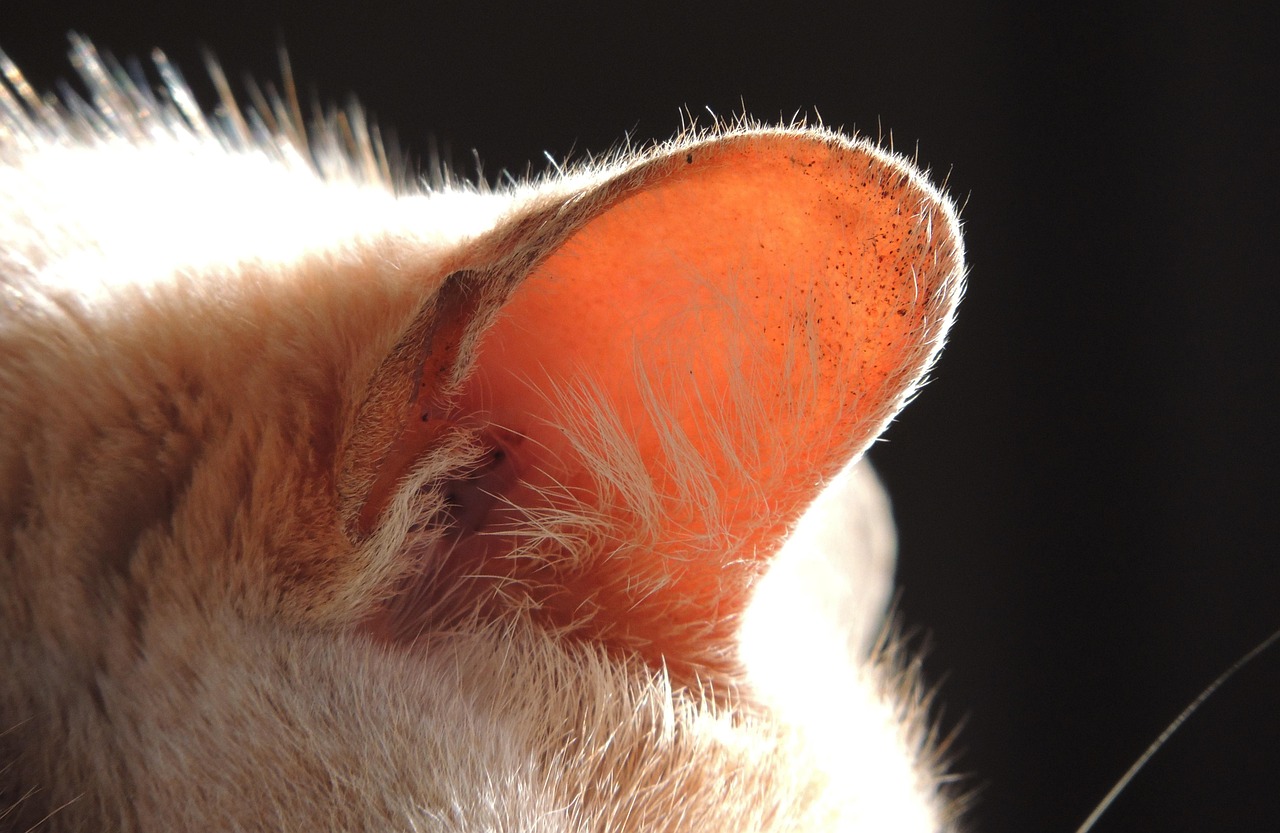

Successful Management of Ear Mites in Cats: Case Study Review
Ear mites are a common issue affecting cats worldwide, often leading to discomfort, itching, and inflammation. This case study highlights a successful management strategy that demonstrates the effectiveness of parasite control in feline ear mite infestations. The focus will be on a specific case where a domestic shorthair cat, named Luna, suffered from severe ear mite infestation. The owners first observed Luna shaking her head frequently, exacerbated by the onset of intense scratching at her ears. Veterinary examination confirmed the presence of Otodectes cynotis, the ear mite responsible for these infections. Early diagnosis and immediate intervention are critical in managing such infestations. The veterinary team devised a tailored treatment regimen, focusing on both the removal of mites and alleviating inflammation. As per standard guidelines, treatments included topical solutions and thorough ear cleaning. The success of the management plan not only relieved Luna’s symptoms but also prevented complications. The owners were educated about the importance of continuing follow-up appointments to monitor Luna’s recovery, ensuring long-term control of ear mite infestations. This case exemplifies the importance of a proactive approach in managing feline ear mites effectively.
Understanding Ear Mite Infestations
Ear mite infestations pose a significant risk to cat health, leading to discomfort and potential secondary infections. These parasites thrive in warm, dark environments, such as cat ears, making them ideal for infestation. Cats can acquire ear mites through direct contact with contaminated animals or environments. Adult mites reproduce quickly, with prolific egg-laying capabilities, exacerbating the problem. Symptoms commonly reported include excessive ear scratching, shaking of the head, and the appearance of dark, waxy debris within the ear canal. Moreover, some cats may develop otitis externa, which complicates the situation. An effective management strategy begins with a proper diagnosis by a veterinarian. Diagnosis usually involves an inspection of the ears and microscopic examination of the ear debris to confirm the presence of mites. Following diagnosis, educating pet owners about maintenance and prevention is critical. Regular ear inspections are recommended along with proper grooming practices. Maintaining cleanliness in the cat’s environment, including bedding and common areas, significantly reduces the possibility of reinfestation. Owners also learn the signs of ear mite infestations to act swiftly, further improving outcomes.
Compliance with the prescribed treatment is vital to ensure total eradication of ear mites. In Luna’s case, the owner was instructed to use a topical antiparasitic medication, applied directly in the ear canal. This medication functions by disrupting the life cycle of the mites, leading to their elimination. Additionally, regular cleaning with a veterinarian-approved ear cleaner helped to remove excess wax and debris, enhancing the treatment’s effectiveness. It is essential to follow the directions carefully, as improper use may result in incomplete treatment and persistent infestation. Regular follow-ups with the veterinarian are also advised to assess the cat’s condition and recovery progress. The owner successfully managed Luna’s treatment plan, adhering to the schedule and keeping documented records of her symptoms. After a few weeks of diligent adherence, Luna showed remarkable improvement, with her itching significantly reduced. It is important to monitor any recurrence of symptoms, as untreated environments can lead to reinfestation. Pet owners must understand the importance of re-evaluation post-treatment to confirm that all mites are indeed gone. Comprehensive parasite control strategies enhance the likelihood of a successful outcome.
Understanding environmental controls is crucial for long-term management of ear mite infestations. The veterinarian provided Luna’s owner with specific guidelines on how to maintain her living environment, effectively reducing the risk of reinfestation. Washing bedding, blankets, and toys in hot water diminished the possibility of harboring mites. Vacuuming regularly also plays a significant role in keeping the living area flea and mite-free. It is suggested to avoid close interaction with other pets that may also be harboring these parasites, particularly if they show signs of infestation. This minimizes the risk of transmission between animals. Furthermore, understanding the life cycle of ear mites is fundamental for effective management; treating affected individuals is a start, but it must be complemented by controlling the surrounding environment. The lessons learned from Luna’s case reaffirm the idea that one must be vigilant in its approach to parasite control. Standard recommendations include continuing a monthly preventative parasite treatment even after resolution of the infestation. This proactive approach can prevent future outbreaks of ear mites. Ultimately, observing your cat’s behavior for any changes is a vital part of responsible pet ownership.
Luna’s remarkable recovery serves as a testament to the importance of teamwork between veterinarians and pet owners. Improved understanding and proactive management of ear mite infestations are achievable when both parties communicate effectively. This case illustrates a successful model for treating feline ear mite infestations, highlighting that preventative care is as pivotal as treatment. After Luna showed significant improvement, the owner was encouraged to continue monthly checks in partnership with the veterinarian. Regular veterinary visits promote awareness and adherence to the parasite control protocols established. This case has been documented with explicit attention to owner education and symptom monitoring, with effective outcome reporting. Post-treatment evaluations revealed no signs of reinfestation, showcasing the effectiveness of the treatment plan. The importance of education surrounding ear mites allows for a community-based approach to feline health care, leading to better overall outcomes. Each case contributes valuable insight into managing feline ear mites effectively. Following Luna’s successful case, many other cat owners sought to apply similar strategies upon observing initial symptoms in their pets, showcasing the ripple effect of successful case studies across feline health outlets.
Conclusion and Next Steps
Effective management of ear mites in cats, as illustrated in Luna’s case, emphasizes the need for prompt veterinary intervention, targeted treatment, and proactive prevention strategies. Owners should remain vigilant, regularly monitoring their pets for any signs of infestation and maintaining a clean environment. Awareness and education are key components for both pet owners and veterinary professionals assisting with cases. This case study also highlights the significance of regular follow-ups to ensure that treatments remain effective and that the cat does not revert to an infested state. Sharing successful case outcomes fosters community awareness and inspires others to manage similar cases. Collaborating with local communities to spread awareness and improving accessibility to veterinary services could drastically help in identifying and treating ear mite cases earlier. Through local engagement, recommendations of treatment plans can also reach a wider audience, thus boosting the overall health of the feline population. Continuous research and sharing insights about treatments and management practices across veterinary fields can further enhance knowledge and expertise in this area of feline health. Raising awareness from individual to community levels ultimately creates a more robust approach to parasite control.
In conclusion, the management of ear mites in cats is a multifaceted approach involving timely intervention, effective treatment, and continued prevention efforts. Luna’s case is just one example from which other cat owners can learn about the importance of recognizing symptoms, seeking veterinary help, and following prescribed treatment plans. As a recommended practice, maintaining a consistent schedule when it comes to pet care routines, including grooming and inspections, diminishes the likelihood of problems arising in the future. Equipment such as ear cleaners and medications should always be kept at hand, ready to respond if anything seems off with the cat. Ultimately, education regarding parasite control and feline care enhances the welfare of pet cats across the board. Encouragingly, through Luna’s treatment journey, her owner became an advocate for educating others about cat health and wellness. Insights gained from handling such cases can empower communities to advocate for better pet care practices. Each small step taken contributes towards larger goals of healthier pets and responsible ownership. Implementing broader public health education efforts surrounding parasite issues can fundamentally shift the wellbeing of feline companions.