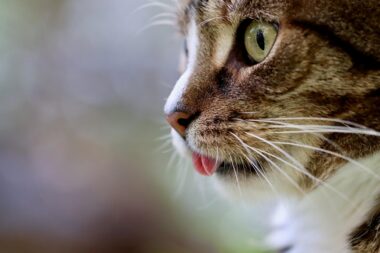

The Connection Between Nutrition and Cat Reproductive Health
Proper nutrition is pivotal in ensuring optimal reproductive health in breeding cats. Just as in humans, a balanced diet plays a crucial role in the ability of cats to conceive, carry, and raise healthy litters. Nutritional deficiencies can lead to complications such as poor conception rates and developmental issues in kittens. A high-quality diet will encompass proteins, vitamins, and minerals that are specifically essential for breeding felines. Additionally, hydration is equally important, as adequate water intake influences overall health and metabolism. Some essential nutrients include taurine, which is vital for heart health, and fatty acids that contribute to a healthy coat and skin. Each nutrient has a specific role, and a well-rounded diet ensures that breeding cats maintain their health, enhancing their reproductive capabilities. Breeders should consult with a veterinarian or a feline nutritionist to develop a tailored diet that meets the needs of their breeding cats. The impact of nutrition on a cat’s reproductive cycle cannot be overstated, making it a crucial aspect of responsible breeding practices.
Focusing on the specific nutritional requirements of pregnant cats is essential. During pregnancy, a cat’s energy needs increase significantly. High-quality kitten food is typically recommended as it is rich in protein and essential nutrients necessary for the health and development of growing kittens. This elevated nutritional profile supports milk production as well, which is fundamental for the nutrition of nursing kittens. It is recommended to increase the frequency of feeding pregnant cats to support their energy demands. Look for foods that include DHA, which promotes brain development in the fetuses. The transition from regular to pregnancy nutrition should be gradual to prevent digestive upsets. Furthermore, consult a veterinarian regarding supplementation needs during pregnancy. Proper nutrition becomes even more critical during lactation, where the cat’s body must provide nourishment to her kittens through her milk. This stage is demanding, so high-calorie diets are essential for maintaining the health of both the mother and her offspring. Understanding nutrition during these key phases can ensure each cat has successful pregnancies and healthy kittens.
Postpartum Nutrition
Postpartum nutrition is equally crucial for breeding cats as it impacts their recovery and milk production. After giving birth, cats face significant energy depletion and need replenishment. Providing a nutrient-dense diet rich in calories, protein, and hydration helps facilitate recovery. The quality of food should ideally include high protein levels to foster healing and restore energy. The cat will also need consistent access to clean, fresh water, as hydration is critical for lactation. Further, omega-3 fatty acids, found in fish oil, can enhance milk quality, benefiting the kittens’ growth. Monitoring the mother’s weight is vital during this period since weight loss can impact her health and milk production. It’s also essential to minimize stress for the mother to ensure she can focus on raising her kittens adequately. Additionally, avoiding abrupt changes in diet after delivery helps to stabilize the maternal gut and prevent gastrointestinal issues. Each of these factors contributes significantly to the well-being of both the mother and her new kittens, ensuring a healthier start for the litter.
When assessing the nutritional needs of breeding cats, it is crucial to consider age and breed-specific requirements. Younger cats, for instance, may need a diet tailored not only to their reproductive health but also to their growth. Some breeds have particular sensitivities that affect their dietary needs, necessitating tailored nutrition. It’s beneficial to provide variety in their diet by including wet and dry food. While dry food can support dental health, wet food offers hydration and may increase palatability. Furthermore, consider the ethical implications regarding the source of the food—emphasizing sustainability and well-being in your choices. High-quality, ethically sourced ingredients often contribute significantly to a cat’s overall health, including their reproductive success. Education on label reading can assist in selecting the best food options, ensuring the cat receives the essential nutrients required. Breeders should also stay current with research in cat nutrition, as findings evolve over time. Incorporating this knowledge into breeding practices leads to healthier cats and better quality litters.
Behavior and Nutrition
The relationship between nutrition and behavior in breeding cats is an area worth exploring. A cat’s diet can directly affect its mood and behavior, which in turn can impact reproductive health. Cats fed a balanced diet tend to exhibit more stable and predictable behaviors, while nutritional deficiencies might lead to stress or aggression. Stress in cats can disrupt their reproductive cycles, making it vital to ensure a calming environment along with proper nutrition. Additionally, certain ingredients, like those found in premium cat food, support brain health and calmness. For example, complex carbohydrates can provide steady energy without causing spikes in blood sugar, leading to anxiety. Additionally, incorporating play and enrichment activities can help alleviate stress, allowing cats to thrive in their breeding environment. The balance of nutrition alongside environmental factors is key to nurturing a healthy and productive breeding cat. Regularly monitoring the cat’s demeanor can yield insights into how their diet may be affecting them, guiding improvements where necessary. These considerations together, comprising food quality and a stress-free environment, can enhance overall feline health.
Introducing any new dietary changes requires caution and care. Significant shifts in a breeding cat’s diet can cause gastrointestinal distress, leading to decreased appetite and overall health issues. It is essential to transition foods gradually over a week to allow the cat’s digestive system to adapt. This practice applies not only to switching brands but also to changing types of cat food—whether wet or dry. Pay attention to the cat’s reactions throughout the transition, looking for any signs of distress or declining health. Additionally, avoid following trends or fads without adequate research and veterinary advice since not all options are suitable for every cat’s needs. Each cat is unique; thus, their dietary requirements can differ dramatically based on their individual health and circumstances. Regular veterinary check-ups play a vital role in monitoring a breeding cat’s overall condition, allowing for timely adjustments in nutrition. Keeping a close eye on any changes, including weight fluctuations or dental health, can provide clues to necessary dietary modifications that would support reproductive health effectively.
Conclusion
In conclusion, the connection between nutrition and reproductive health in breeding cats cannot be overlooked. Proper nutrition significantly influences the ability of cats to reproduce successfully and play an important part in the health of both mothers and their litters. Understanding the different stages of reproduction, from pregnancy to lactation, sheds light on specific dietary needs that must be met for optimal health outcomes. Collaboration with a veterinarian can lead to significant improvements in nutritional practices, ensuring vaccinations, nutrients, and proper weight management throughout each stage. The right overall dietary approach emphasizes quality ingredients that foster health rather than just filling a bowl. Each breeder carries a responsibility toward their cats to provide environments rich in the necessary nutrition required for reproductive success. Taking the time to understand the complex relationship between diet and reproductive well-being is vital for ensuring that breeding practices yield healthy kittens and satisfied mothers. In doing so, breeders can optimize their efforts and contribute positively to the longevity of feline health.
This is another paragraph with exactly 190 words…