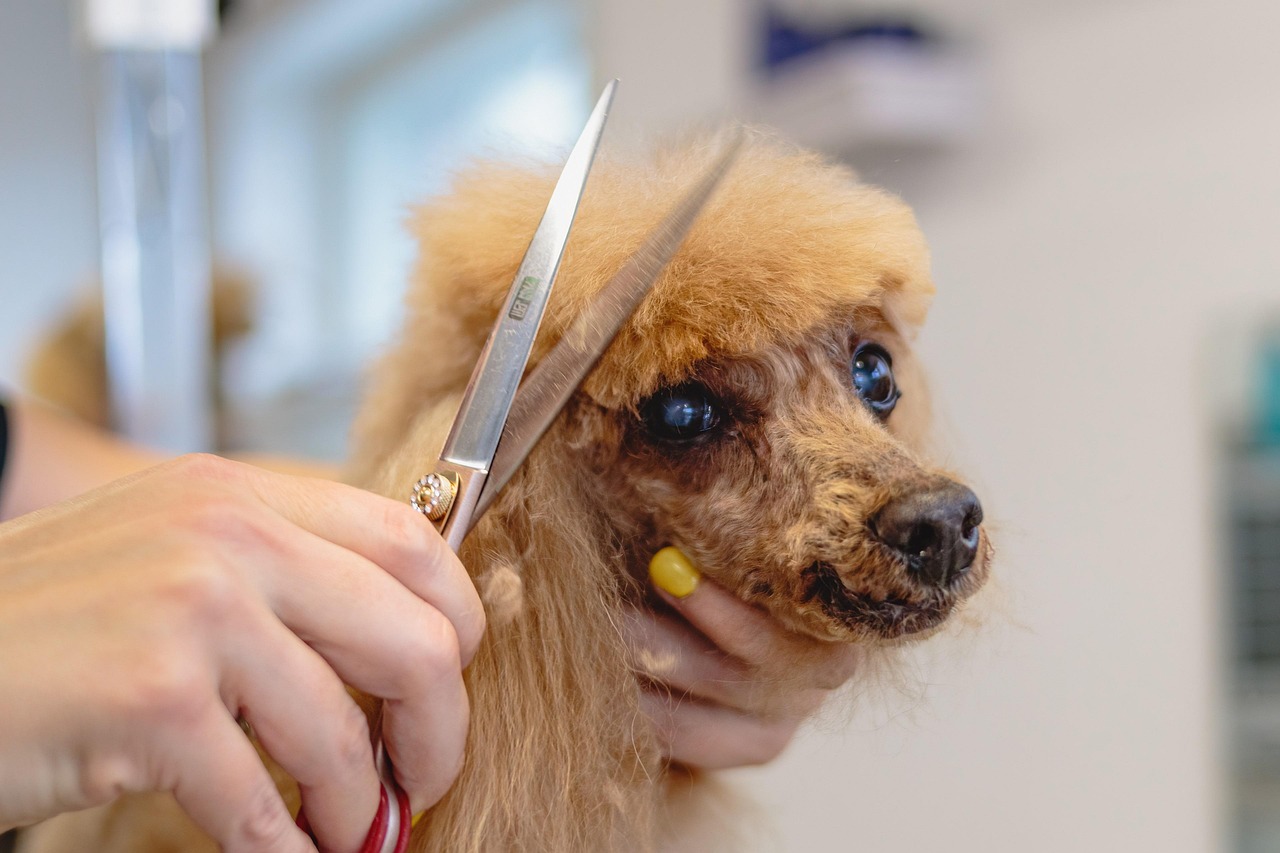

Tips for Grooming Puppies: Clipping and Trimming for New Pet Owners
Welcoming a puppy into your home is incredibly exciting, and grooming becomes essential for their health and happiness. Mastering the art of clipping and trimming can ease the burden of maintaining your pup’s coat and hygiene. Before you begin grooming, ensure that you have all necessary tools, such as clippers, scissors, and brushes suitable for your puppy’s breed. Familiarize yourself with how each tool works, and always keep their comfort in mind. Establishing a routine is vital to ensure your puppy becomes accustomed to the process. Regular grooming not only helps in managing shedding but also strengthens your bond with them. Patience is paramount; take your time, and your puppy will likely respond well. A good practice includes introducing grooming gradually and ensuring positive reinforcement through treats and praise. Remember, a calm environment will help your puppy feel secure and relaxed during grooming. In time, they may come to see it as a pampering session rather than a chore, laying a foundation for a long-lasting grooming relationship. Investing time in learning these techniques can make grooming a rewarding experience for both you and your four-legged friend.
Understanding your puppy’s breed requirements is crucial when it comes to grooming. Not all dogs are created equal, and different breeds will require different grooming practices. For example, breeds like Poodles often need extensive grooming due to their curly fur, while short-haired breeds may only require occasional brushing. By researching your puppy’s specific breed standards, you can adapt your grooming tools and techniques accordingly. Pay attention to your pup’s coat texture, shedding patterns, and sensitivity to grooming tools. This knowledge helps you make informed decisions regarding the type of clippers or scissors you’ll need. It’s advisable to consult your veterinarian or professional groomer for specific insights into your dog’s grooming needs. You may also find online resources or communities that provide helpful tips and advice tailored to your breed. Additionally, being aware of your puppy’s skin type and any potential allergies is essential. Always prioritize their well-being by using products that are puppy-safe and appropriate for their age. Tailoring your approach not only promotes their physical health but also fosters a positive experience during grooming sessions.
Choosing the Right Tools
Selecting the right grooming tools can make a significant difference in the clipping and trimming experience for both you and your puppy. It’s vital to invest in high-quality clippers and scissors designed specifically for dogs, which will ensure efficiency and comfort. Look for clippers with adjustable speeds and guard sizes to suit various coat types. When shopping, consider the overall size and weight of the clippers, as lightweight models will reduce wrist strain and fatigue during longer grooming sessions. Scissors should be sharp but user-friendly, equipped with safety features to prevent accidental cuts. Ideally, you should also have a good pin brush and a comb at your disposal for detangling before clipping. Providing a comfortable grooming area where your puppy feels secure is equally important. This space should have good lighting and be free from distractions. This setup can help reduce your puppy’s anxiety about grooming. Ensure you familiarize your pup with the tools before getting started. Allow them to sniff the equipment and desensitize them slowly to the sound of clippers.
The comfort of your puppy during grooming should always be a top priority. Ensure they are adequately positioned and supported to prevent any injury. Use a non-slip mat or towel on the grooming surface, so they feel secure while being groomed. To start the clipping process, calmly introduce your puppy to the clippers, allowing them to familiarize themselves with the sound. Begin with short sessions to prevent overwhelming your puppy. Tools like pet-friendly calming sprays or treats can go a long way to ease anxiety. If your puppy becomes anxious, take a break and resume when they seem more relaxed. Acclimating your puppy to various grooming tools will foster trust. Another technique is to engage them in play or offer a favorite toy during grooming. Different puppies respond uniquely to grooming, and individualized approaches work best. Maintain a steady speed while grooming, and avoid rushing to ensure a safe process. It may take some time, but being gentle helps create a positive association with grooming.
Safety Considerations
Safety during grooming is essential for a positive experience when clipping and trimming your puppy. Knowledge of basic anatomy and sensitivity areas can prevent accidental injuries. Avoid cutting too close to the skin or near sensitive areas like their ears and paws. Use clippers designed for grooming dogs rather than human clippers, as they are specifically designed to be safer and more efficient. Always keep a first aid kit nearby in case of any minor nicks or scrapes. Understanding your puppy’s behavior is also key; if they seem uncomfortable or in pain, stop immediately. Regularly checking the blades of your clippers for any signs of dullness is crucial. Dull blades can cause tugging on the hair, leading to discomfort. Keeping tools clean and well-maintained is equally important for hygiene and effectiveness. Always groom in a well-lit area, giving you a clear view of the grooming process. It’s also useful to enlist the help of a friend or family member, especially for first grooming sessions. Having assistance can help keep your puppy calm, allowing you to focus on getting it right.
Emphasizing the importance of hygiene during grooming is vital, as maintaining your puppy’s cleanliness promotes overall health. Regularly brushing your puppy not only reduces shedding but also removes dirt and debris from their coat. It exposes any skin issues that might need attention while providing you the chance to bond with your pet. Bath time is another opportunity to ensure your puppy smells fresh and clean, using recommended puppy shampoos that won’t irritate their sensitive skin. After bathing, ensure the fur is completely dry to prevent matting, especially for those with thicker coats. Drying can also include gentle brushing for optimal results. Remember to clean your grooming tools thoroughly after every use to prevent spreading bacteria or parasites. Sanitizing clippers, scissors, and brushes should be a regular part of your grooming routine. This not only keeps your tools in good shape but also protects your puppy from any infections. Top-notch grooming promotes healthier skin and coat, improving your puppy’s overall well-being and happiness.
When to Seek Professional Help
At times, despite your best efforts, you may find it challenging to manage your puppy’s grooming needs. Recognizing when to seek professional grooming services is essential. If your puppy’s coat becomes severely tangled or matted, a professional may have the expertise and tools to remedy the situation without distressing the dog further. Similarly, certain breeds require specialized grooming skills, particularly those with intricate coat types. Your budget, time availability, and the complexity of the grooming task will influence your decision. If you’ve recently adopted a puppy or are unsure of grooming techniques, arranging a visit to a groomer can provide you valuable insights. Observing a professional at work can provide useful tips and help you learn effective grooming techniques for home practice. Many groomers are happy to share advice on maintaining your puppy’s coat in between visits, fostering a collaborative approach to grooming. Additionally, professional grooming can sometimes relieve you of the burden of your pup’s more complex grooming requirements, allowing you to enjoy your time together without the stress of grooming.
In conclusion, learning effective clipping and trimming techniques for your puppy is necessary for their health and happiness. Investing time in grooming routines not only ensures a well-groomed pet but strengthens your bond. Embrace patience and know that, like any skill, grooming takes practice. Your efforts will be rewarded as your puppy grows more comfortable with grooming sessions. Adapting your techniques to suit your puppy’s breed characteristics, staying attentive to their comfort, and maintaining hygiene will create a pleasant grooming experience. Equip yourself with suitable tools to enhance efficiency and safety during grooming, ensuring your puppy’s well-being remains a top priority. Seek professional help when needed, as groomers can provide advice, support, and convenience. As a pet owner, you have the power to influence your puppy’s perceptions of grooming positively. With careful guidance and a gentle touch, you can turn grooming sessions into enjoyable moments that foster trust and companionship. So, take your time to embrace this aspect of pet ownership fully, and you’ll find grooming to be a genuinely rewarding activity for both you and your beloved puppy.