
Heatstroke Prevention for Dogs During Summer Walks
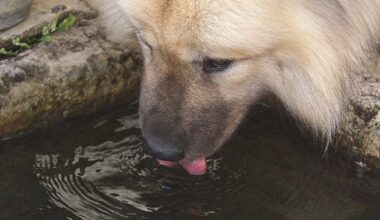
As summer approaches, ensuring your dog’s safety during walks becomes paramount. Dogs are particularly vulnerable to heat, and heatstroke can happen quickly. Before heading out, monitor the temperature. On particularly hot days above seventy-five degrees Fahrenheit, consider adjusting your routine. Early morning or late evening walks can be cooler and more enjoyable. Also, take breaks often, allowing your furry friend to rest in the shade. Staying hydrated is essential; bring fresh water on each outing. Dogs can’t sweat like we do, so they rely on panting to cool down. If your dog starts panting heavily, it may be a sign of overheating. Learn the symptoms of heatstroke: excessive panting, drooling, or lethargy. If you notice any, it’s crucial to find a cool area immediately. Ice packs on the neck and belly can help prevent escalation. Always keep an eye on your dog, and be proactive about their health during summer activities. Responsible pet ownership includes being aware of the weather and its potential effects on your pet’s well-being. With a few precautions, you can enjoy comfortable summer walks with your dog.
Proper hydration is vital, and always ensure your dog has access to cool water. In addition to frequent breaks, consider the surfaces your dog walks on. Asphalt can get very hot, causing burns on their paws. Try to walk on grass or dirt paths. It’s also beneficial to use protective gear like dog booties on particularly hot days. If your dog is a breed with a short snout, they may be even more susceptible to heat. Bulldogs, pugs, and other brachycephalic breeds can struggle to breathe effectively in high temperatures. Pay extra attention to them and reduce exertion times. Many dogs enjoy water play, so incorporating a swim or splash session can keep them cool while getting exercise. Always give them a chance to cool off naturally in water. If you plan on visiting parks or other outdoor spaces, seek shade and provide resting areas for your dog. Monitor their behavior, as some dogs may not show clear signs of overheating. Knowing your dog’s limits and unique needs is essential. Consistent observation can prevent any accidents during your walks.
Recognizing Heatstroke Symptoms
Dogs can suffer heatstroke without much warning, so being aware of the symptoms is critical. Heavy panting, excessive drooling, and lethargy are the primary warning signs. If your dog displays these symptoms, especially on hot days, act quickly. Other alarming symptoms include disorientation, rapid heart rate, difficulty breathing, and fainting. In severe cases, dogs may even experience seizures. Pay close attention to the environment and your dog’s behavior to catch any signs of distress early. When a dog’s body temperature rises above 104 degrees, intervention is necessary. A simple temperature check using a rectal thermometer can be invaluable. If the temperature exceeds this threshold, move to a shaded or air-conditioned location as soon as possible. You can also wet their hair with cool water and apply cool cloths on their body. Avoid ice-cold water, as it may shock their system and hinder the cooling process. Also, contact a veterinarian right away if heatstroke is suspected. They can provide further guidance based on your dog’s specific needs. Taking these warnings seriously can save your dog’s life.
During summer excursions, choosing appropriate times for walks helps mitigate heat risks. Avoid the midday sun, especially during peak heat hours between 11 a.m. and 3 p.m. Opt for morning or evening strolls when the temperatures are lower. If your schedule permits, check forecasts daily to find the best times for exercising outdoors with your dog. It might also help to organize play sessions at home during the hottest part of the day. Indoor games can maintain exercise levels while protecting your dog from overheating. Puzzle toys and treat balls can engage your dog mentally and physically without outdoor exposure. It’s essential to cultivate an understanding of your dog’s exercise routines, adjusting as necessary based on the heat index. Frequent bathroom breaks are also essential as hydration keeps their systems functioning optimally. Remember to check the humidity level; high humidity can exacerbate heat issues, limiting your dog’s heat dissipation. Modifying activity length and intensity based on temperature forecasts can significantly impact your dog’s well-being. Awareness of local temperature fluctuations is crucial to ensuring a comfortable summer for your furry buddy.
Preparing for Outdoor Activities
Always equip yourself for outdoor activities with your dog by having a summer checklist. Items should include fresh water, portable bowls, and cooling vests. A dog first aid kit is also a wise inclusion. Don’t forget to keep your dog’s identification up-to-date. Ensure they have a collar with related tags. Consider microchipping as an additional safety measure. While walking, a leash and harness will improve control during unexpected situations. If you plan on visiting popular parks, researching dog-friendly policies is wise. Some parks may impose leash rules or specific hours for canine visitors. Even in cooler areas, park visitors should bring water along. You can share drinks easily by providing your dog with a bowl to hydrate. Also, consider lightweight blankets to find a shady spot while resting. Your pooch may appreciate its own blanket for comfort. Discuss outdoor plans with friends, allowing for enjoyable walks and playdates during cooler hours. Being organized allows for a more relaxed and safe experience for both you and your dog. A simple checklist can prevent forgetfulness in the summer rush.
Understanding your dog’s breed helps in managing their exposure to heat. While all dogs are susceptible to heat, breeds with thicker fur or brachycephalic breeds struggle more than others. Always adjust activities based on their breed characteristics and overall health. Age plays a significant role; older dogs or those with health concerns are more vulnerable. If a dog is young, they may have excess energy but still require sensible exercise routines. While pups appear energetic, they too can overheat. Gradually introduce activities, especially if temperatures are high. If you’re uncertain about your dog’s exercise levels, consult with a veterinarian. They can provide tailored advice based on breed, age, and health status. Learning to adapt activities will make your summer outings enjoyable and safe. Being proactive in understanding these factors enables you to protect your furry friend and ensure their health. Always keep in mind that each dog has unique needs that change with temperature fluctuations. Pay attention to signals they send during walks to create a pleasant experience. This not only enhances exercise quality but strengthens your bond with your pet.
Conclusion and Final Tips
Summer walking with dogs can be rewarding but comes with risks. Knowing how to properly prevent heat-related issues is vital for dog owners. Planning ahead can make a significant difference. Always adjust your walking schedule to avoid extreme heat, taking breaks in shaded areas. Water should always accompany you during outings. Keep watch for any discomfort or changes in behavior during your walks. If heat exhaustion seems likely, take immediate action to cool your dog down. Discuss with a veterinarian any concerns regarding your dog’s health, especially in extreme temperatures. Responsible pet ownership also means understanding the needs and limits of your dog. Don’t hesitate to change your plans or seek alternatives if it’s too hot outside. Indoor activities can provide well-needed exercise while ensuring warmth and comfort. Establish a good routine that adapts to the seasons, allowing enjoyable outings for both of you. Prioritizing your dog’s health will create happy and safe summer walks. Making each decision with your dog’s well-being in mind ensures enjoyable experiences together during the sunny months.