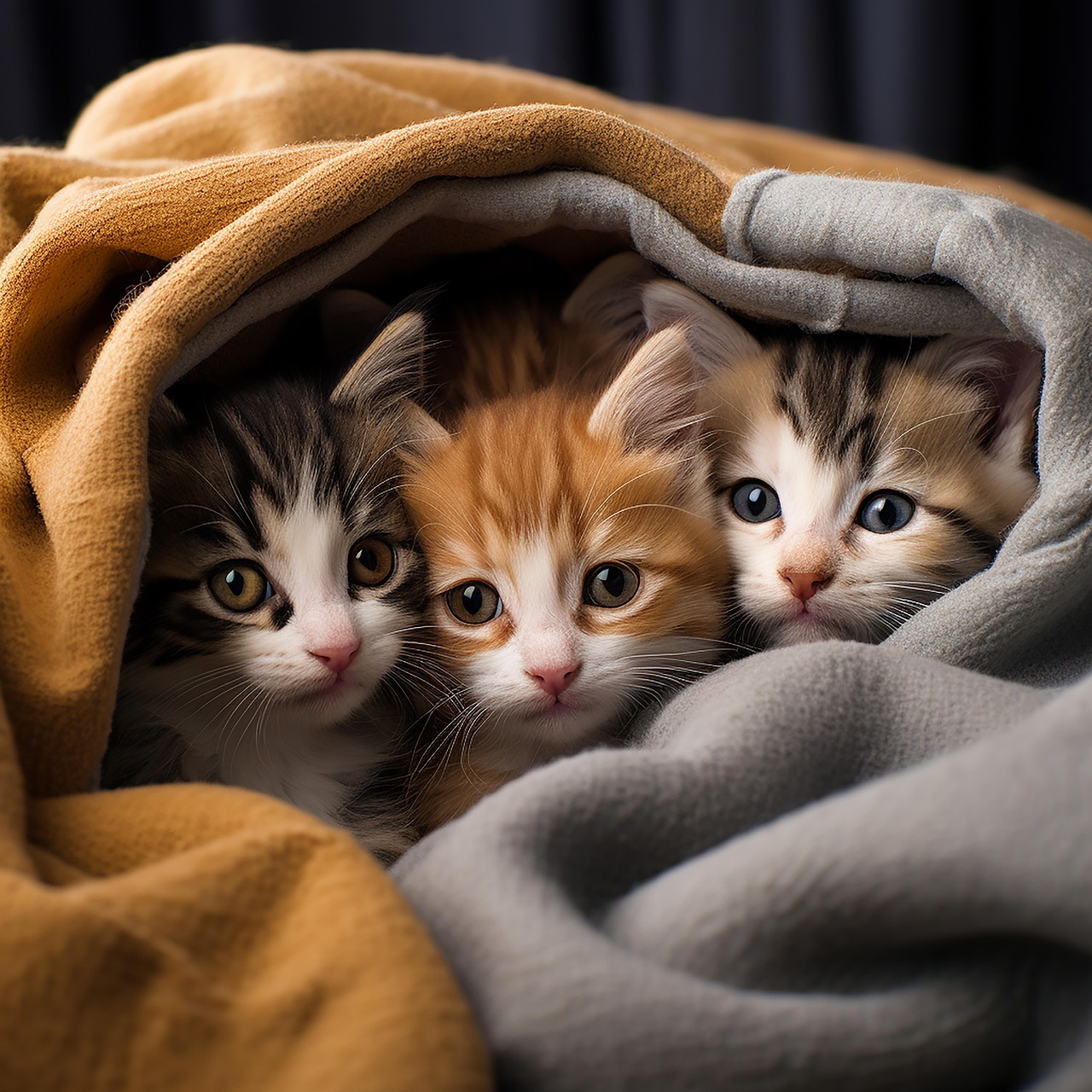

How Early Socialization Affects Cat Aggression Later in Life
Understanding cat aggression is crucial for feline owners and caregivers. Early socialization plays a vital role in shaping a cat’s behavior as it matures. Kittens learn through experiences and interactions with humans and other animals during a sensitive period, typically between two to nine weeks old. Proper socialization promotes positive behaviors and reduces stress. Kittens that aren’t socialized may develop fearful and aggressive tendencies later. Socialization can foster confidence and security in their environment. Engaging in play and positive reinforcement can help alleviate potential aggression issues later. Recognizing these traits in young cats can help prevent unwanted behaviors in adulthood. The importance of early interactions cannot be overstated, as they lay the foundation for future behaviors. Moreover, understanding the significant psychological impacts on kittens is vital for any pet owner. Visiting a veterinary behaviorist can assist in identifying problematic behaviors early on. Therefore, ensuring a nurturing environment with adequate social exposure is integral for their development as well as reducing aggression. Without these positive experiences, the likelihood increases for developing aggression later, emphasizing the need for responsible pet ownership during early stages.
One important factor in early socialization is exposure to various stimuli. Kittens should experience different sounds, sights, and smells during their formative weeks. This can include witnessing other animals, watching humans engage in routine activities, or hearing household noises. All these interactions help develop their coping skills, ultimately reducing fear and potential aggression as they grow. The more diverse their experiences during this period, the more comfortable they become with the world around them. Additionally, it’s crucial that these exposures remain positive and not overwhelming. If a cat associates specific stimuli with negative experiences, such as fear or pain, they may respond aggressively later on. A gradual introduction to stressors, combined with rewards, can foster a positive association. Moreover, controlled play with other friendly and well-socialized cats can teach kittens important social cues and boundaries. This helps them learn how to interact appropriately with feline peers. A lack of such experiences can lead to an inability to communicate effectively with other cats, increasing aggressive behaviors. All these considerations play an essential role in fostering a well-adjusted adult cat. Owners can prevent future issues by actively participating in their kittens’ socialization process.
The Role of Environmental Enrichment
Environmental enrichment is a vital component in preventing aggression by promoting mental stimulation. Providing a stimulating environment enhances a cat’s quality of life, allowing them to explore and interact in safe ways. Incorporating play activities, climbing structures, and toys can keep a kitten engaged and satisfied. This also reduces boredom, a common trigger for unwanted behaviors, including aggression. A lack of stimulation can lead to stress and frustration. Dedicating time each day to interactive play sessions can have lasting effects on their behavior. Such activities help build a bond between a cat and its owner while channeling pent-up energy positively. Furthermore, using puzzle toys can encourage problem-solving skills and improve their learning capabilities. Regular exposure to various settings and companions also contributes to their sociability. Creating a dynamic environment prevents issues related to territorial aggression that can arise in cats. Additionally, maintaining a routine that incorporates diverse experiences is essential. These simple yet effective enrichment strategies allow cats to express natural hunting behaviors responsibly. Ultimately, a well-rounded environment fosters happy, balanced cats while minimizing aggression risks. Early investment in environmental enrichment can yield long-term behavioral benefits for pets.
The importance of early interactions extends beyond mere socialization to include human interactions significantly. Kittens growing up in human-centric environments tend to become more sociable and friendly. Direct handling, petting, and gentle play provide essential bonding opportunities. Through consistent, positive engagement, kittens develop trust and affection towards humans. This companionship reduces potential aggression stemming from fear or defensiveness. Conversely, if kittens do not receive adequate human interaction, they may perceive humans as threats. Consequently, they may respond with aggression, particularly in situations that induce anxiety. Even basic handling help normalize their experiences with people, boosting confidence. Retailers and rescue groups often promote ‘kitten cuddle parties’ for this purpose. These events can significantly enhance human interaction. Additionally, exposing kittens to various ages and genders of people helps generalize their social skills. Adult cats that were well-socialized can often adapt better to new human introductions. Having a well-adjusted, affectionate cat can considerably enhance their quality of life. Therefore, investing in hands-on experiences during early weeks can lay a solid foundation for trust. Such interactions can significantly aid in preventing later aggressive responses that stem from insecurity.
Signs of Aggression in Cats
Recognizing early signs of aggression in cats is essential for timely intervention. Understanding the subtleties of feline behavior allows owners to address issues proactively. Common indicators include hissing, growling, and swatting, often precursors to more severe aggression. Cats may also exhibit aggression when they feel threatened or anxious. Body language plays a significant role; ears flattened, pupils dilated, or a puffed-up tail can signal distress. It’s crucial to monitor interactions between kittens and other animals or children to prevent escalation. Familiarizing oneself with these signs can assist in creating a safe environment for both pets and owners. Early correction methods should be used to guide a cat back to acceptable behavior. Utilizing positive reinforcement techniques can help encourage better behaviors. Punishment, on the other hand, may heighten anxiety and worsen aggression. Consulting professionals can provide insights into behavioral management strategies. Proper understanding of feline aggression is key to maintaining harmony within a household. Furthermore, educating family members, especially children, about safe interactions with pets is essential. Through observation and intervention, owners may effectively manage emerging aggression issues, ensuring a cordial relationship with their cats.
Addressing aggression in adult cats can be challenging but is not insurmountable. Behavioral modification techniques can significantly improve a cat’s temperamental responses, especially if initiated early on. Engaging a feline behaviorist can provide tailored strategies to reconnect and rehabilitate the cat’s aggression. Frequent negative experiences can make older cats more difficult to rehabilitate, hence the need for prompt action. Additionally, establishing safe spaces for the cat can ease stress. Creating exclusion zones allows cats to retreat when feeling overwhelmed. Regular routines and predictability also contribute to reducing anxiety. Owners should remain patient, ensuring consistent reinforcement of desired behaviors gradually. Often, medications can assist with more severe aggressive tendencies, prescribed under veterinary guidance. Moreover, training exercises can reinforce positive actions, ensuring long-term adherence to non-aggressive behaviors. Engaging toys can also help redirect aggressive behaviors during play. Equally important is recognizing triggers that lead to aggression. Environmental changes, new pets, or loud noises can provoke situations leading to aggression. Ultimately, both owners and cats require understanding, patience, and commitment in this process. Gradually, adult cats can transform their behavior through appropriate behavioral adjustments and socialization, leading to a more harmonious coexistence.
Conclusion: Fostering Peaceful Relationships
Understanding the vital role of early socialization in cat behavior can provide pet owners with essential tools for fostering peaceful relationships with their pets. By prioritizing early interactions, stimulating environments, and positive experiences, the likelihood of aggression can be significantly reduced. Furthermore, recognizing the signs of potential aggression and implementing effective strategies for intervention can set the stage for ongoing, healthy relationships between cats and their families. Developing routines that incorporate safe, engaging activities allows both owners and their pets to bond effectively. It’s equally important to remain in tune with each cat’s emotional needs and dedicate time to ensuring they feel secure. Regular veterinary check-ups can support overall health and address any behavioral concerns appropriately. Educated owners can proactively manage their pets’ interactions with the world and promote healthier behavioral habits. Collaboration with professionals can enhance understanding and enrich the caretaking process. Ultimately, cultivating compassionate environments during a kitten’s critical early stages will yield long-term benefits, leading to happy, well-adjusted adult cats. The journey of understanding cat aggression is continuous and multifaceted but essential for successful pet ownership.
Building an optimal environment for socializing kittens requires careful planning and intention. Owners must dedicate time and resources to ensure the kittens receive the right exposures. Socialization plans should include opportunities for interactions with friendly people and pets, as well as exploration of diverse spaces. Progressive exposure, combined with adequate supervision, helps create safely stimulating experiences. By following these guidelines, kittens can flourish into loving and well-socialized adults. Additionally, investing in education about cat behavior and communication can significantly improve interactions. Understanding feline behavior from an early age allows owners to foster better relationships. Graduate programs and workshops focusing on animal behavior may offer valuable insights. Lastly, documenting progress in a kitten’s socialization journey can provide both valuable lessons and rewarding memories. Not only does this encourage owners to engage actively, but it also allows reflection on the kitten’s growth. Veterinarians, trainers, and other professionals can be valuable resources in this regard. Combining knowledge, patience, and practice is key to combating potential aggression issues. A strong foundation in early socialization leads to lifelong benefits for both cats and their human companions.