
How to Safely Rescue Exotic Shorthair Cats
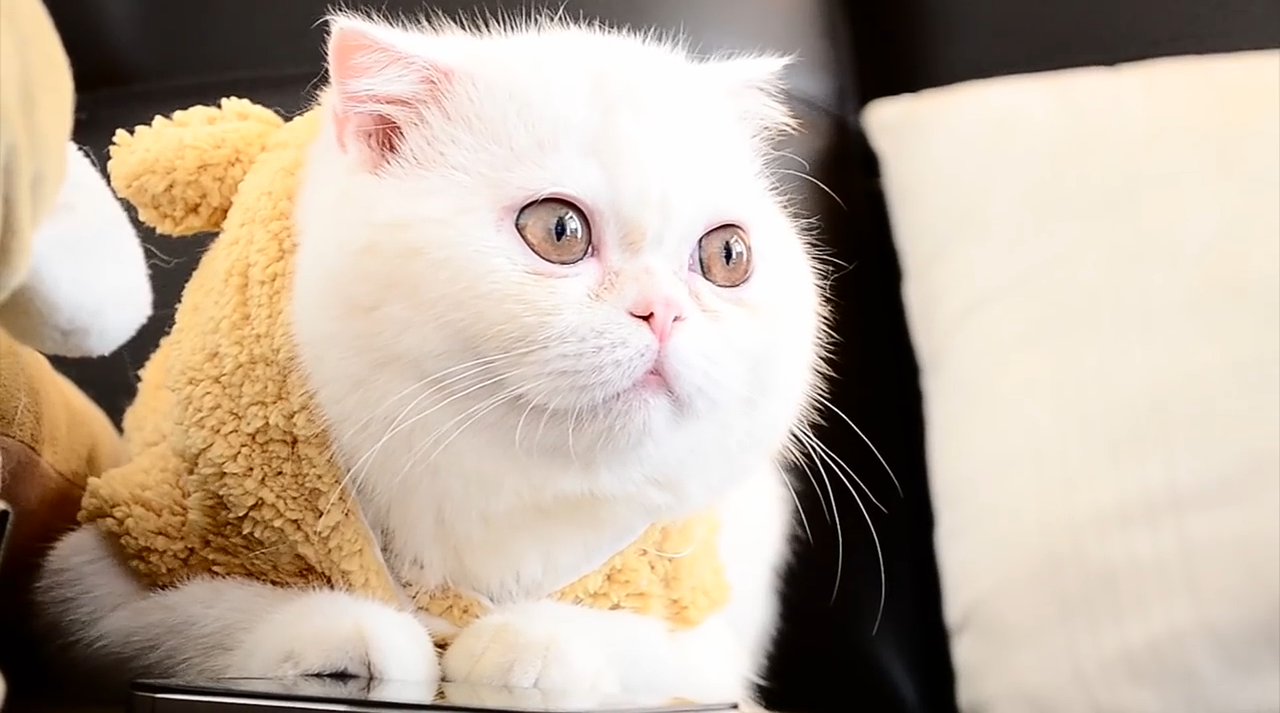
Rescuing Exotic Shorthair cats requires special consideration for their unique needs. These cats are known for their distinct appearance, including short muzzles and large eyes. Prior to attempting a rescue, it’s essential to learn about their temperament and health issues that may be prevalent in this breed. First, assess the situation where the cat is located; ensure you approach them not with excitement but with calmness. These cats can be shy and wary of strangers, so patience is key. Having the right supplies is vital. A sturdy cat carrier is essential because it ensures safety during transportation. Also, gather food, water, and comforting items such as a soft blanket. Make sure to wear gloves if the cat looks stressed, as they may scratch or bite. It’s also wise to have a basic first-aid kit on hand in case of minor injuries. Start by familiarizing the cat with its environment to build trust, and wait for it to come to you. Providing a sense of security will make rescue easier and more effective. Don’t forget to contact a veterinarian for health checks post-rescue and vaccination guidance.
When rescuing Exotic Shorthairs, understanding their behavioral traits is crucial. This breed is known for being gentle and affectionate, making them relatively easy to handle once they trust you. However, because of their unique facial structure, they may have specific respiratory issues or eye problems. Before the rescue, research the common health concerns associated with Exotic Shorthairs to be prepared. Knowing how to spot symptoms, such as excessive tearing or difficulty breathing, can also assist your veterinarian in assessing the cat’s health. While building trust is essential, safety should also be prioritized. Avoid sudden movements that could startle the cat. Approach them slowly and softly speak their name if known. Creating a safe environment is also paramount. Ensure the space is free from sharp objects and hazards that could harm the cat. Consider keeping your other pets away during the initial rescue process, as this helps reduce stress. Begin the introduction gradually, allowing the cat to acclimate freely. If the Exotic Shorthair seems territorial, show respect by giving it time to observe you without approaching. Gradual acclimatization helps ease anxiety, making the rescue process smoother and more successful.
Health Considerations for Exotic Shorthair Cats
Health considerations are paramount when rescuing Exotic Shorthair cats. Before bringing one into your home, ensure that you know where to take them for a health evaluation. Take note that many cats in shelters may not have had the best care; therefore, establishing a relationship with a vet experienced in breed-specific health issues is essential. Regular check-ups can already help mitigate specific problems associated with this breed. Look for signs of respiratory distress, as their short noses can lead to issues. In particular, feline upper respiratory infections are common. Be vigilant about dental care since this breed tends to have dental problems due to their facial structure. Discuss preventative measures and vaccination options with your vet, including treatments for parasites like fleas and ticks. Beyond physical health, it’s equally important to assess their psychological needs. Stress can lead to behavioral issues, so a calm environment along with enrichment activities will support their well-being. Introduce toys or climbing spaces gradually. This not only stimulates their minds but helps in building confidence post-rescue. The more attention you give to their health and happiness, the better their life will be.
An often overlooked area in cat rescues is the transition phase. Cats, including Exotic Shorthairs, often require time to adjust to new environments. When bringing your rescued kitty home, prepare a separate, quiet space where they can feel comfortable. Place their litter box, food, and water in this safe zone. If possible, allow them to explore this area before introducing them to the rest of your home and family. Limit access to larger spaces to avoid overwhelming them. Consider using pheromone diffusers to create a calming atmosphere; these can alleviate the stress during the adjustment phase. Observe their behavior closely; don’t rush things. Cats may take days or even weeks to acclimate to new surroundings. Celebrate small milestones; if they start to explore, it’s a great sign. Consistency is key; keep their routine stable as you introduce them to your family members gradually. Maintaining a calm environment will allow the cat to feel secure. Engage in gentle interaction to help form a bond, ensuring that every step taken prioritizes their comfort. Patience during this critical transition will foster a trusting relationship. At last, welcoming them to your home can lead to a fulfilling companionship.
Preparing Your Home for an Exotic Shorthair
Preparation is key when welcoming Exotic Shorthairs into your home. The first step is to ensure that your space is safe. Remove any hazardous items that your cat may encounter. This includes choking hazards, poisonous plants, and any sharp objects. Invest in sturdy scratch posts since Exotic Shorthairs have a natural urge to scratch and stretch. Having designated areas for their needs promotes optimal comfort. While preparing your home, take stock of the furniture; make sure your cats can safely navigate the space. Consider providing vertical spaces like cat trees or shelves, as they naturally enjoy climbing. Also, keep in mind that Exotic Shorthairs are quite sociable, so they may thrive in areas where they can see and interact with family members. Stock up on essential supplies such as litter boxes, appropriate toys, food dishes, and bedding. High-quality food that suits their dietary needs should be emphasized. Additionally, be sure to have all necessary veterinary care materials, including their vaccination records and any prescribed medications on hand. Taking these steps before their arrival will go a long way in making them feel at home and safe.
Socialization plays a key role in successfully rescuing Exotic Shorthair cats. These cats are known for their sociable nature but may also have individual personalities drawing them to specific behaviors. Developing a socialization strategy will ease your transition and promote a stable environment. Start with gentle interaction patterns and short play sessions to engage them. Utilize feather wands or laser pointers to stimulate play and exercise, crucial for their health. As they gain confidence, gradually increase interaction time to gauge their comfort level. Providing a variety of toys can cater to their interests, stimulating their instincts to chase and capture. Ensure that your interactions remain positive and stress-free; this helps build trust and affection. Also, observe any behavioral cues; if your cat appears disinterested or anxious, give them space. Finally, consider inviting friends over gradually, since introducing them to new people will help build their sociable nature further. Exposure to different situations prepares them for varied life experiences, ensuring smoother interactions in public spaces. Regular socialization not only enhances their personality but also keeps them engaged, preventing boredom and associated behavioral issues.
Finding Resources and Support
Finding resources and support is vital when rescuing Exotic Shorthairs. As a new cat owner, connect with local shelters that may specialize in the breed. These organizations often have extensive experience and can provide valuable information on care and common issues. Online forums and social media groups geared towards cat lovers can also serve as excellent platforms for advice. Engaging with communities can help you learn from other pet owners’ experiences and share best practices. Additionally, seek out grooming professionals with knowledge of the breed’s specific grooming needs. Proper grooming is vital for Exotic Shorthairs, given their unique coat. Consistent care can prevent matting and ensures their comfort. It’s also essential to keep a list of reputable veterinarians specializing in exotic breeds who can offer tailored health advice. Research can save time and ensure that your cat’s unique health needs are met. As you navigate the complexities of rescue, keep in mind that patience and information are your strongest allies. Support groups can provide emotional encouragement and practical tips, making the journey of rescuing an Exotic Shorthair rewarding rather than overwhelming.
In conclusion, rescuing Exotic Shorthair cats requires preparation, understanding, and patience. By equipping yourself with knowledge about their unique characteristics and health concerns, you can create an enriching environment for these beautiful cats. Remember, the process is not just about rescue but also about nurturing a loving relationship. Each cat has its own personality and journey, and respecting that will foster trust. Utilize support resources in your area for added guidance and assistance. As you engage in gentle play and interaction, you will find a greater connection evolving, enriching your life. The impact of your efforts will not only transform the life of a rescued cat but will also bring joy into your home. Be proactive in addressing any health issues and providing veterinary care as necessary. Most importantly, let love and patience lead the way in your transition to being a cat parent. Success in rescuing these charming felines lies in ensuring their happiness and well-being. Soon enough, you shall find a loyal companion at your side, made possible through this journey of love.