
Hydrotherapy Equipment Best Suited for Cat Athletes
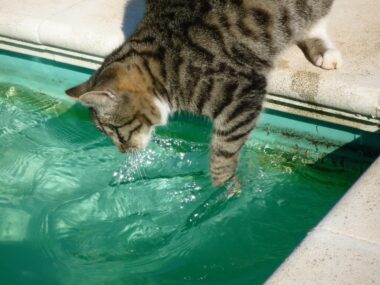
Hydrotherapy has gained recognition in the realm of cat sports as an effective way to improve performance and maintain the health of feline athletes. As such, choosing the right equipment plays a key role in ensuring successful therapy sessions. Hydrotherapy pools designed specifically for cats provide a safe and controlled environment where felines can engage in low-impact exercise. These pools often feature adjustable water temperatures, which can be tailored to individual needs, providing comfort to the cat. Furthermore, ramps and walkways within the pools allow easy entry and exit for cats, reducing the stress associated with water immersion. Specialized underwater treadmills also serve as an excellent tool for strengthening muscles while reducing strain on joints. Additionally, these treadmills can be adjusted to different water depths, creating varied resistance levels for cats. When investing in hydrotherapy equipment, it’s crucial to prioritize quality over cost. Equipment that ensures safety and comfort is essential for effective hydrotherapy, allowing cats to recover from injuries while enhancing their athletic skills, which directly supports their overall well-being and performance in sports.
Equipment designed for cat hydrotherapy also includes flotation devices that can assist novice swimmers, allowing them to build confidence in the water. These flotation aids can help cats remain buoyant while they learn the mechanics of swimming. Additionally, using hydrotherapy toys can stimulate a cat’s natural instincts while they swim or exercise. Providing engaging toys helps maintain their interest during therapy sessions, making the experience both enjoyable and beneficial. The use of jets in hydrotherapy pools can further enhance the workout by providing varying water currents. These currents assist in muscle relaxation and can ease tension in strained areas, promoting faster recovery times for cats engaged in rigorous athletic training. Cats often respond positively to hydrotherapy sessions, as they enjoy the soothing effects of water, and their comfort is paramount for an effective recovery. Educating cat owners on the available hydrotherapy equipment is vital for ensuring that their feline athletes receive the best care possible. When integrated appropriately into the athletes’ training regimes, hydrotherapy significantly boosts stamina and agility, which are crucial components to winning in competitive cat sports.
Choosing the Right Hydrotherapy Pool
When selecting the appropriate hydrotherapy pool for cat athletes, it is important to consider several factors. First, the pool’s size should accommodate as many cats as needed without overcrowding, allowing for a comfortable and stress-free environment. In addition, the pool should be easily accessible, with ramps or steps for easy entry for cats of all sizes and mobility levels. The quality of materials used in construction should also be assessed to ensure durability and safety. Opting for non-toxic, easily cleanable materials helps in maintaining hygiene and prevents illness. Furthermore, considering the pool’s filtration system is essential, as a well-maintained system ensures water cleanliness and reduces the risk of infections. Think about the heating mechanism too, as different cats will have varied preferences for water temperature. Lastly, consult with veterinarians or pet therapists to select a pool that meets the specific needs of your cats. By investing time in choosing the right hydrotherapy pool, you can provide a therapeutic space that fosters recovery, strengthens muscles, and aids in athletic training for your feline athletes.
In the realm of hydrotherapy for cats, maintaining a proper temperature is critical for effectiveness. Cats, like humans, can experience discomfort if the water temperature is either too hot or too cold. The ideal temperature for a hydrotherapy session typically ranges between 80°F and 86°F (27°C to 30°C). Ensuring the water is warm aids in relaxing tight muscles and encourages blood circulation. Monitoring the temperature continuously helps ensure the water remains within this optimal range, preventing any distress for the cats while they exercise. Additionally, providing them with the opportunity to acclimatize to the water prior to engaging in workouts allows for a more enjoyable experience. Regular assessments of the cat’s comfort level during sessions ensure that any changes can be made immediately, ensuring both safety and enjoyment. It’s also beneficial to supervise cats closely throughout their hydrotherapy sessions to address any potential issues promptly. By strategically managing water temperature and monitoring each cat’s behavior, hydrotherapy can be stress-free and effective, ultimately leading to improved athletic performance in cat sports and overall well-being.
Importance of Professional Guidance
The effectiveness of hydrotherapy for cat athletes can significantly improve when guided by a professional. Certified therapists bring expertise in feline physiology and rehabilitation, ensuring that each session is tailored to the athlete’s specific rehabilitation needs. These professionals can identify the correct therapeutic exercises suitable for each cat, enhancing their recovery process. They will guide in selecting the correct decay duration and the level of resistance needed during sessions, depending on the feline’s experience level and current physical condition. Regular evaluations from these professionals help track the athlete’s progress and make necessary adjustments to the treatment plan, contributing to optimal outcomes. A well-structured program, supervised by a qualified therapist, ensures safety during workouts while avoiding overexertion or injuries. Moreover, professionals can introduce varied techniques and equipment that cat owners may not be aware of, enriching the hydrotherapy experience while ensuring maximum benefits. Partnering with certified therapists fosters confidence in the chosen hydrotherapy methods, ensuring that even strenuous training regimens do not hinder the athletic potential of feline athletes.
Hydrotherapy incorporates various techniques designed not only for rehabilitation but also for improving athletic performance among cats. For instance, adjusting the water’s current or introducing obstacles within the hydrotherapy pool can create a stimulating training environment. These modifications can boost strength, agility, and endurance as cats navigate through varying resistance levels. As experienced swimmers, cats learn to hone their skills as they become accustomed to these practices, organically integrating their natural hunting instincts into their training. Training sessions can also include intervals of swimming mixed with resting, where cats can refresh and regain their stamina between rigorous activity. The challenge of overcoming different resistance levels can promote muscle growth and enhance flexibility, essential attributes for cat athletes in competitive sports. Engaging with play-based activities interspersed within the routine allows cats to stay motivated and interested. Such dynamic sessions not only elevate their physical attributes but also ensure mental stimulation. By integrating these training techniques into hydrotherapy, cat owners can significantly enhance their athletic capacity while keeping their beloved felines interested and energized throughout their sessions.
Conclusion and Future Improvements
As the field of hydrotherapy for cat sports progresses, continual improvements in equipment and techniques are expected. Research into feline rehabilitation is enhancing understanding of cats’ unique physiological needs, allowing for more effective treatment protocols. Innovations in technology and design for hydrotherapy equipment may soon provide even more specialized training facilities for feline athletes. Advancements such as the development of virtual hydrotherapy programs, where owners can access guided sessions at home using similar principles, are highly promising. Additionally, integrating more user-friendly devices into home settings could allow cat owners to manage hydrotherapy conveniently without needing access to specialized facilities. While hydrotherapy has proven beneficial, combining it with other forms of therapy, such as acupuncture or massage, may yield even better results. Future studies focused on the efficacy of holistic approaches will continue to reshape the landscape of feline athletic rehabilitation. By recognizing and embracing these changes, we can improve the athletic performance and overall well-being of our feline companions, making them healthier and happier participants in the thriving world of cat sports.
In conclusion, selecting the right hydrotherapy equipment for cat athletes not only aids in recovery but enhances their athletic skills overall. This specialized therapy can provide cats with a strong foundation in their training regimen while promoting quicker healing. Understanding the essential elements—ranging from optimal pool conditions to professional guidance—can make hydrotherapy an invaluable asset for both competing athletes and those recovering from injuries. From selecting suitable pools to engaging cat athletes during sessions, each aspect is critical for optimal results. With continuous advancements and innovations on the horizon, the future looks bright for hydrotherapy applications in feline sports. As more cat owners and trainers adopt hydrotherapy techniques, the potential for achieving peak performance within this niche will certainly expand. Both felines and their human companions can benefit immensely from the curated hydrotherapy experiences that encourage physical health, mental training, and ultimately, happiness. With patience and dedication, the investment in hydrotherapy can result in long-term benefits for cat athletes, paving their way toward success in the competitive world of cat sports.