
Hypothyroidism in Dogs: Symptoms and Treatment
Hypothyroidism in dogs is a common endocrine disorder where the thyroid gland doesn’t produce enough hormones. This condition is frequently seen in middle-aged and older dogs, particularly in breeds like Golden Retrievers, Doberman Pinschers, and Cocker Spaniels. An underactive thyroid can lead to various health issues due to a lack of thyroid hormone, which is crucial for metabolism. Symptoms may develop gradually and can be subtle at first. If your dog shows any signs of lethargy, weight gain, or a dull coat, consider discussing hypothyroidism with your veterinarian. An often overlooked symptom is skin changes, such as dry or flaky skin, which may indicate a thyroid issue. Early diagnosis and treatment can significantly enhance your dog’s quality of life. Regular veterinary check-ups and blood tests can help detect these issues in the early stages. If untreated, hypothyroidism can lead to further health complications including obesity, secondary skin infections, and even heart problems, highlighting the importance of awareness among dog owners.
Diagnosis of hypothyroidism in dogs involves both clinical evaluation and blood tests. A veterinarian will typically perform a physical examination, noting significant signs like changes in behavior or coat condition. The most common blood test measures the levels of thyroxine (T4) in your dog’s bloodstream. Lower than normal levels indicate hypothyroidism. Additional tests may be taken to rule out other endocrine disorders. Testing thyroid function in dogs can sometimes be misleading due to conditions like stress or illness affecting hormone levels, sometimes leading to false positives or negatives. Therefore, your vet may suggest additional diagnostic tests. Prior to starting treatment, accurate diagnosis is essential to confirm that the thyroid gland’s function is indeed the issue. Dogs experiencing symptoms of weight gain, excessive shedding, and lethargy may present the typical profiles leading to a differential diagnosis of hypothyroidism. Early and accurate diagnosis opens the door for appropriate treatment options, ensuring your dog receives the necessary care tailored to manage and reverse symptoms, fostering a happier, healthier life for your canine companion.
Treatment Options for Hypothyroidism
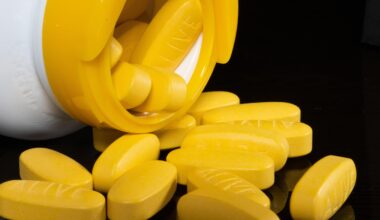
Once diagnosed with hypothyroidism, many treatment options exist to effectively manage the condition in dogs. The primary course of treatment is the lifelong administration of synthetic thyroid hormone called levothyroxine. This medication replaces the deficient hormones, aiding in the regulation of metabolism and overall health. Most dogs respond well to this treatment, often noticing improvement within a few weeks. It’s crucial that you follow your vet’s dosage instructions closely to achieve optimal results. Regular follow-up appointments will monitor your dog’s hormone levels, as dosage adjustments may be needed. Side effects are generally minimal but can include hyperactivity or increased thirst. Monitoring your dog’s response to treatment will ensure they remain healthy and comfortable. Always communicate any concerns with your veterinarian, who can provide guidance on managing any side effects effectively. Additionally, special attention should be paid to dietary changes. A well-balanced diet rich in essential nutrients can enhance the effectiveness of medications while improving overall health. Supplements may also be recommended to support your dog’s health during treatment.
Routine veterinary check-ups are essential for dogs with hypothyroidism, as regular monitoring can catch any complications early. These appointments allow veterinarians to evaluate if the treatment is effective or if adjustments are necessary. Additionally, continuous monitoring helps ensure your pet remains in a healthy weight range. Obesity is a common side effect of an underactive thyroid, and overweight dogs are more susceptible to various health complications. A regular exercise regimen is beneficial in conjunction with medication. Engaging your dog in physical activities not only helps manage weight but also supports mental well-being. A consistent schedule for feeding and exercise can promote a balanced lifestyle. Keeping an eye out for any new symptoms is vital, as any changes could indicate complications or adjustments needed in treatment. Always update your veterinarian on any changes observed in your dog’s behavior or health status, ensuring their ongoing health is prioritized. With thorough monitoring and appropriate treatments, dogs with hypothyroidism can lead happy, active lives, so remain vigilant for any potential warning signs.
Signs to Watch For
As a dog owner, it’s important to recognize the signs of hypothyroidism early, which allows for prompt treatment. Common symptoms include weight gain without changes in diet or activity level, lethargy, and a dull or patchy coat. Many pet owners may initially mistake these symptoms for normal aging, but knowing the difference is crucial. Affected dogs may also experience skin problems such as increased itching, secondary infections, or hair loss. Other noticeable behavioral changes can include increased irritability. Keep an eye on your dog’s energy levels; significant decreases should not be ignored. Additionally, observe for changes in appetite or increased thirst which may accompany the condition. If you notice any combination of these symptoms, a visit to the vet is warranted. Your vet can provide insight and, if necessary, run tests to rule out hypothyroidism or other underlying health issues. Being proactive about these symptoms can make a significant difference in management and outcomes. Early intervention often leads to better overall health and quality of life for your dog.
Maintaining a supportive environment is essential for dogs receiving treatment for hypothyroidism. Your dog’s mental well-being is just as vital as their physical health. Regular playtime and social interactions can elevate their mood and help reduce any anxiety. Scheduled routine can bring a sense of normalcy, assisting with comfort during their adjustment to medications. Consider engaging in activities that stimulate both their mind and body, such as obedience training or interactive toys. Keeping their environment stable and stress-free fosters a sense of security. Nutrition plays a crucial role as well; a balanced diet contributes to their overall health and aids in managing weight. Always select high-quality dog food, ideally with advice from your veterinarian. If necessary, dietary supplements may also improve health and support effective medication results. Be mindful of your dog’s response to these changes, making adjustments as needed based on their reactions and progress. With attentive care and appropriate management practices, you can help ensure that your dog lives their best life despite the challenges posed by hypothyroidism.
Long-term Care and Management
The long-term management of hypothyroidism in dogs requires ongoing commitment and care from pet owners. Regular assessments are crucial for adjusting medication doses and ensuring their health is optimized. Furthermore, maintain open lines of communication with your veterinarian, discussing any concerning changes you notice. This proactive approach creates a partnership that aids your dog’s journey through treatment. Educating yourself on the disease gives you power and increases your ability to recognize any emerging signs or concerns. Keep track of your dog’s weight and physical activity levels diligently. Adapting these based on their treatment response is important to achieve sustainable health. Be patient; results for hormone treatment can take time to manifest fully. Similarly, remaining steadfast with nutritional management will lead to better outcomes long term. Overall, hypothyroidism is a manageable condition. A well-informed pet owner will help ensure their dog’s quality of life remains high. Embracing support from veterinary professionals is beneficial. With proper care and management, dogs with hypothyroidism can thrive, enjoying many happy years ahead.