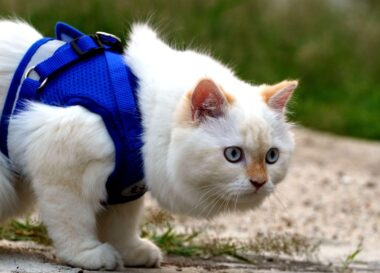

Leash Training Safety Gear: What You Should Have
When introducing your cat to leash training, safety gear plays a crucial role. Harnesses are essential because they provide restraint without harming the cat. A well-fitted harness allows for adjustments while ensuring your pet feels comfortable. Look for harnesses designed specifically for cats, which usually feature soft fabric that won’t irritate their skin. It’s advisable to avoid using collars for walking, as they can pose a choking hazard. Furthermore, a leash made of durable materials is needed. Opt for a lightweight, yet strong leash of around six feet in length. This offers enough space for your cat to explore without running away. As you train your cat, consider adding a safety bell on the harness. The bell helps in locating your cat when they wander off. Choosing reflective elements on the leash will also increase visibility during nighttime walks. Having a portable pet carrier is also wise in case something unexpected happens. Finally, don’t forget to incorporate treats and toys as rewards for positive behavior, ensuring training remains a fun and engaging experience.
Before taking your cat on their leash training journey, familiarize yourself with the correct equipment. A proper harness should be chosen carefully, as many cats have unique body shapes. A harness is preferable for leash training because it distributes pressure evenly. It’s important that the harness fits snugly enough to prevent slipping off but loosely enough to ensure comfort. Many harnesses come with adjustable straps that can tailor the fit to your cat’s size. Additionally, consider investing in a breakaway collar as an extra safety measure. These collars release under tension to prevent choking. When deciding on a leash, prioritize lightweight materials such as nylon or cotton. The length of the leash matters too; a longer leash allows for more exploration but detaches control. You may also want to check if the leash has any additional features, such as a padded handle for your comfort. Always keep a spare collar or harness at home, just in case of wear and tear. By having the best tools, cat leash training can become a stress-free bonding experience for both you and your pet.
Choosing the Right Harness for Cats
The market offers a variety of harnesses made specifically for cats, making choice daunting. You can select from several styles, such as vest-type or H-style harnesses. Vest-type harnesses usually distribute pressure across a larger body area, making them more comfortable. H-style harnesses are often easier to put on and remove, appealing for cats less tolerant of drills. Additionally, consider the material used for the harness; breathable fabrics are recommended for warm climates. The color and design may also influence your choice. Bright colors or patterns can make your pet stand out in public. Nonetheless, comfort should always be prioritized over aesthetics. To ensure you choose wisely, measure your cat’s body before purchasing. Always check the return policy beforehand in case it doesn’t fit correctly. Consider customer reviews regarding durability, as long-lasting materials save money over time. If possible, visit a pet store to try on different harnesses. This ensures the best fit and gives you a chance to assess comfort. Your cat’s comfort determines the success of leash training, making it a pivotal component of the training process.
It’s important to remember that safety gear goes beyond just harnesses and leashes during cat leash training. Consider using pet shoes if you plan on taking your cat for walks on hot or harsh surfaces. Cats’ paws can easily sustain injuries from hot pavement or sharp objects. Shoe designs for pets often have rubber soles for traction and comfort. Additionally, monitor your cat’s body language for signs of discomfort or anxiety. Sudden stops or attempts to hide signify stress levels. Be sure to carry a first aid kit designed for pets to take with you on walks. The kit should include items like bandages, antiseptic wipes, and tweezers. Moreover, you may find it beneficial to have a soft blanket or mat for breaks during longer walks. A familiar scent can help ease anxiety for your kitty. Ensure you have access to fresh water and portable bowls to keep your cat hydrated. Finally, prepare for emergencies by obtaining a pet ID tag with your contact information. Safety gear is about ensuring a positive and secure experience for both you and your cat while out and about.
Getting Your Cat Used to the Gear
Once you have selected appropriate gear, gradually acclimate your cat to it for a successful training experience. Start by allowing your pet to explore the harness at their own pace. Let them sniff it and paw at it freely while rewarding their curiosity with treats. After a few days, gently put the harness on your cat without fastening it. The aim is to get them comfortable with the feeling. Leave it on for only a few minutes at a time during the early stages. Progressively increase the duration as they show signs of comfort. Once your cat appears at ease wearing the harness, attach the leash. Allow them to walk around the house with the leash connected, guiding them gently. Never force your cat into action; allow them to lead. Positive reinforcement is vital during this process. Whenever they wear the gear or respond calmly to it, offer treats or praises. Patience is key, as every cat adjusts differently. The goal is to create a positive association with the leash and harness, ensuring they remain calm and confident during walks outdoors.
As training continues, focus on cultivating good walking habits with your cat. Begin training sessions in your home or a secure outdoor area. Use short, frequent sessions initially to avoid overwhelming your cat. Apply gentle encouragement to entice them into walking alongside you. Recall that abrupt backing out or pulling may stress your pet, so patience is paramount. Keep walks lively by incorporating toys or interactive games, making the experience enjoyable. Over time, try venturing into more stimulating environments, such as parks or around the neighborhood. Gradually introduce new sights and sounds, noting how your cat reacts. Monitor their comfort level closely; if they show signs of stress, take a step back. Many cats may benefit from timed breaks where they can explore or simply relax. Always reward good behavior and don’t hesitate to discontinue a walk if your cat appears nervous. With time and consistent practice, your cat will learn to enjoy walks on a leash. The lifestyle change can greatly enrich your cat’s daily routine while strengthening your bond with each new adventure.
Dealing with Challenges During Training
Challenges can often arise during leash training, requiring patience and proactive solutions. Many cats may initially resist wearing the harness, leading to struggles on your part. This situation can often be improved by associating the harness with special treats. Keep a range of enticing snacks nearby to help during every training session. Some cats may not walk confidently on a leash, often sitting or hiding instead. For these instances, gently coax them forward, offering praise every time they move. It’s advisable to create a controlled environment for initial walking sessions. Begin in a quiet place devoid of distractions. Once your cat learns to walk calmly, gradually introduce them to busier locations. Notably, encounters with other animals can trigger apprehension, causing your cat to become agitated. Carrying treats for positive reinforcement during such encounters will help them feel secure. Ensuring a short, controlled exposure can make the experience easier. If fear continues to dictate their behavior, don’t hesitate to reach out to professionals for guidance. Meantime, celebrate every little victory, reinforcing your cat’s positive behaviors.
Ultimately, remember that leash training is about building a trustful relationship between you and your feline friend. Continual exposure to each other in everyday activities fosters a deeper connection. As your cat grows accustomed to the gear, walks will become more manageable and enjoyable for both parties involved. Consider documenting your training journey through photos or journals to capture progress over time. Keeping these memories can also serve as motivation to persist through the challenges. Sharing these experiences may inspire others looking to adopt similar training methods. If you encounter setbacks, remind yourself that progress may not always be linear. Every cat is different and requires individual attention and care during their training process. Celebrate small wins and maintain a steady pace for improvements. If encountering difficulties, consider reevaluating choices in harnesses or leashes, as comfort is essential. Ensure regular vet check-ups are scheduled, confirming your cat remains healthy throughout the training. By providing the proper safety gear, consistent training methods, and a patient mindset, you will have successful training sessions. In conclusion, the right gear contributes to creating enjoyable and secure leash walks with your beloved cat.