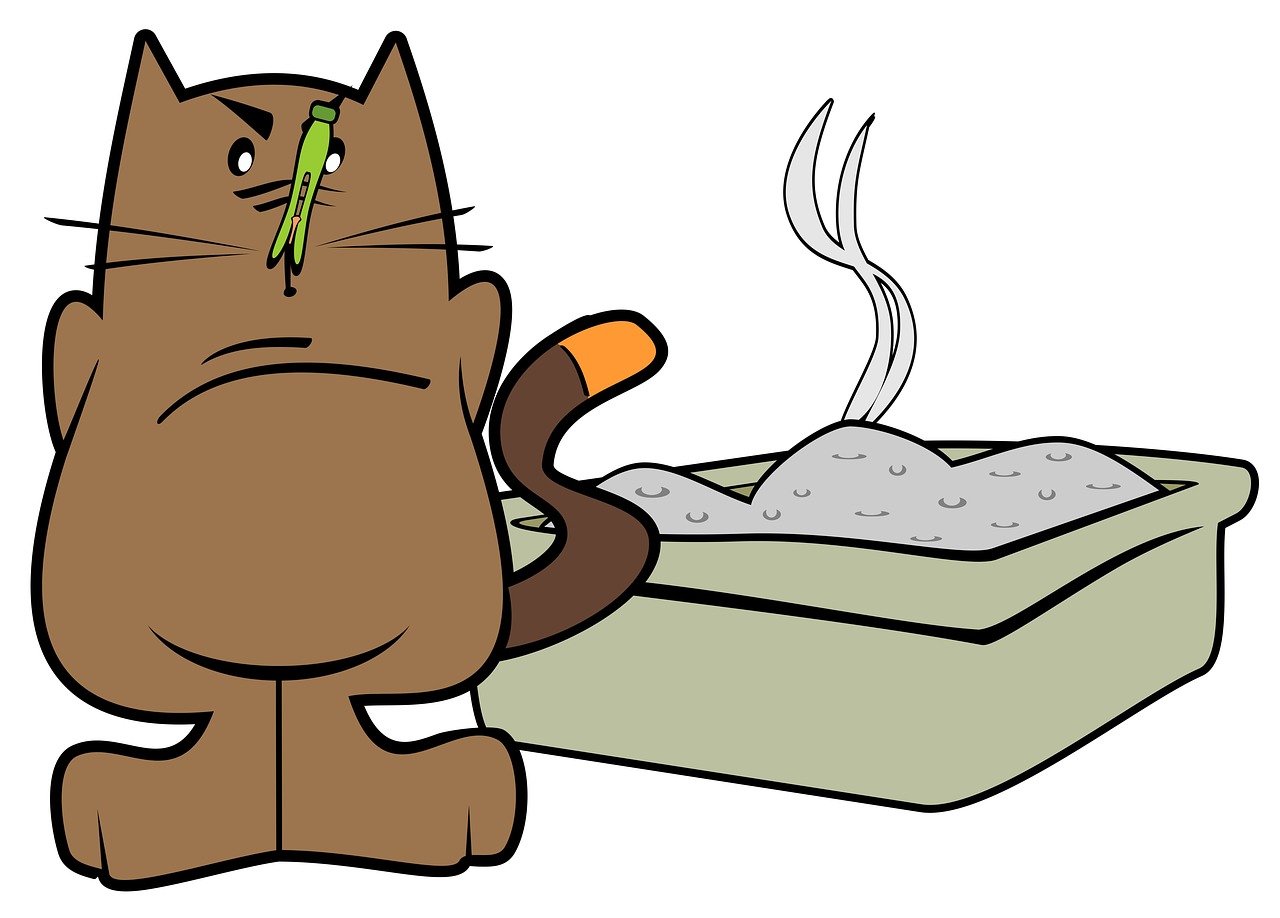

Step-by-Step Guide to Litter Box Training Your Cat
Training your cat to use a litter box is an essential responsibility for cat owners. This process begins with choosing the right litter box. Ideally, select a box that is large enough to allow your cat to turn around comfortably. The type of litter is also important; most cats prefer clumping litter due to its ability to trap odors. Initially, place the litter box in a quiet, easily accessible location where the cat feels safe. Cats are instinctive creatures; they appreciate privacy while doing their business. Once the box is set, introduce your cat to it. Softly guide them to the box after meals and when they wake up. It’s crucial to establish a routine at this point, as consistency helps cats to learn where their bathroom is. Use praise or gentle encouragement when the cat successfully uses the box. If an accident occurs outside the box, clean it thoroughly to remove the scent and prevent repeats. Cats tend to overly associate scents with places. Each cat is unique, so patience and gentle reinforcement are key during this training process, nurturing trust and confidence within your pet.
Understanding Cat Behavior
Understanding your cat’s natural behavior is vital for effective litter box training. Cats are clean animals instinctively seeking suitable spots for their elimination needs. In the wild, cats often cover their waste to hide traces from predators. By recognizing this behavior, you can set your cat up for success with appropriate litter box training. Kittens typically learn this habit by observing their mothers. Therefore, ensuring your cat has a place they can comfortably use will encourage them to adopt this natural instinct. If your cat is initially hesitant to use the box, they may be uncomfortable with its location or the type of litter. Tracking your cat’s preferences can tremendously help. Cats tend to shy away from strong scents; thus, unscented or natural litter tends to be a preferred choice. Additionally, consider the height of the box; it should not be too high for kittens or elderly cats who may have mobility issues. Observe their behavior around the litter box often, as cats may signal discomfort or even health concerns. Regular check-ins can ensure your cat is comfortable and encourage a positive experience with litter box usage.
Another critical aspect of litter box training involves maintaining cleanliness. Cats are more likely to use a litter box that is clean and odor-free. This means scooping the litter box daily, removing clumps and waste to avoid unpleasant smells. Cats can be sensitive to dirty litter boxes and may refuse to use one that has not been maintained. Regular cleaning is essential, and it should include washing the box with mild soap and water at least once a week. Avoid using harsh chemicals or strong scents that might deter your cat. After cleaning, replenish the litter to maintain adequate depth. Ensure that there is enough litter, typically two to three inches deep, allowing the cat to dig and bury its waste comfortably. If multiple cats are in the household, consider having one litter box per cat plus one extra to prevent territorial disputes. This arrangement can help alleviate stress and promote good litter box habits. Training takes time, and every cat’s adaptation period will differ; remain patient and supportive throughout the process to foster a healthy litter box experience.
Setting a consistent routine can significantly impact litter box training. Cats thrive on routine, as it provides them with stability and security in their environment. Take care to observe your cat’s natural habits, such as their eating and sleeping patterns, to better guide them toward using the litter box appropriately. After every meal, gently place your cat in the litter box to encourage usage, as this is often when they feel the urge to go. Likewise, take them there when they wake up from a nap. Always reward them for using the box with gentle praise or treats. Avoid punishment, as this can lead to fear and anxiety around the litter box, hindering the training process. By reinforcing positive behavior with consistent routines and encouragement, you reinforce trust and allow your cat to feel more comfortable with their environment. Some cat owners find it helpful to keep a regular schedule that aligns with their cat’s habits, ensuring that the litter box becomes a familiar and safe place for their feline friend. Training your cat requires attention to detail and a commitment to maintaining a positive atmosphere for them.
Sometimes, behavioral issues can arise during the litter box training process. If your cat begins to avoid the litter box or eliminates outside it, it’s essential to carefully investigate the reasons behind this behavior. Factors could range from medical problems to stress, so monitoring your pet’s health is crucial. If ever you notice blood in the urine, difficulty urinating, or sudden changes in litter box habits, consult your veterinarian promptly. It’s vital to rule out any underlying health conditions that could be causing issues. Environmental factors can also play a role; changes in the household, new pets, or disruptions can cause anxiety in cats. Ensure your cat’s environment remains as stable as possible during the training phase. If necessary, consider using calming pheromones or natural anxiety remedies. Additionally, the litter box itself can become a source of discomfort; if it smells too strong, replace the litter with fresh types or introduce new boxes. Trying different locations or even styles of litter boxes can improve comfort levels. By addressing these concerns proactively, you pave the way for successful litter box training and create a harmonious atmosphere for you and your cat.
Finally, it’s crucial to celebrate your cat’s successes throughout the training process. Every small achievement signifies progress towards complete litter box training, and they deserve recognition. After a successful usage, offer them treats or engaging playtime sessions to reinforce positive associations with the litter box. Keeping a reward system can motivate your cat to consistently re-use the box confidently. Additionally, consider using clicker training as another method of reinforcing good behavior. This method is also applicable in many situations involving pet training. Cats respond well to positive reinforcement, and understanding their individual preferences can help you customize your approach. Socializing with your cat during and after they successfully use the litter box can strengthen your bond and encourage them to repeat the behavior. Be sure to also stay patient; every cat has its own pace and moments of learning. Creating a loving, supportive environment during this time is vital for developing trust, making the litter box a secure choice in their home. With your help, your cat will develop the habits needed to become a well-trained member of your family.
In conclusion, litter box training is a significant aspect of cat ownership that necessitates dedication and understanding. Knowing what your cat requires throughout this process can make all the difference in their comfort and success with using the box. Be patient, as every cat takes time to adjust; continuous observations can lead to actionable insights for better training. Foster a clean, inviting litter box space, reinforcing positive behaviors, and addressing any issues promptly helps maintain a positive environment for your cat. Regular habits create stability and provide a supportive atmosphere for your furry friend as they adjust to their new home. Remember to celebrate each success in the training journey, reinforcing trust between you and your cat. By understanding and responding to your cat’s needs, you can turn the litter box training phase into a positive experience that strengthens your bond. With time, your cat will embrace the litter box as their preferred bathroom choice, making your life easier and ensuring their happiness. In fostering a healthy connection and a successful routine, you can enjoy a harmonious relationship with your feline companion.